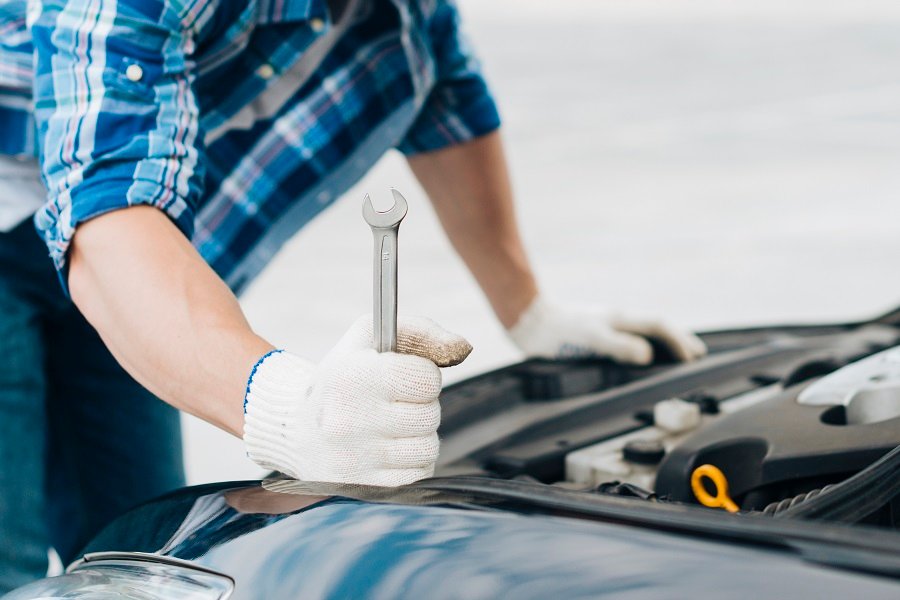
In Adelaide, with its wide variety of driving conditions, from bustling city streets to the rugged Outback, car reliability is essential. Routine maintenance can save you from being stranded on the roadside, minimize repair costs, and extend the lifespan of your vehicle. Here are some practical car maintenance tips to help Adelaide drivers avoid unnecessary breakdowns and, ultimately, the need for a tow.
1. Regular Oil Changes
One of the simplest yet most crucial car maintenance tasks is changing the oil regularly. Oil lubricates the engine’s moving parts, helping to reduce friction and prevent overheating. Over time, oil degrades and collects contaminants, which can lead to engine wear and, eventually, breakdowns.
- Recommendation: Change your oil every 5,000–10,000 km, depending on your vehicle’s specifications and how you drive. Be sure to check the owner’s manual for recommended intervals.
- DIY Tip: If you’re comfortable with a bit of DIY, changing the oil at home can save you time and money. Make sure to use the oil recommended for your specific vehicle model.
Also Read:-How Much Does a Tow Truck Cost?
2. Check Fluid Levels
Beyond engine oil, cars rely on a range of other fluids to operate efficiently. Low or dirty fluids can affect the performance of different systems, potentially leading to costly repairs or breakdowns.
- Essential Fluids to Check:
- Brake Fluid: Ensures the braking system works effectively.
- Coolant: Prevents the engine from overheating.
- Transmission Fluid: Keeps transmission gears running smoothly.
- Power Steering Fluid: Helps with easy and safe steering.
- Windshield Washer Fluid: Necessary for clear visibility in all weather conditions.
- DIY Tip: Check the fluid levels at least once a month. Top up or replace fluids if they are low or appear dirty. If in doubt, consult a professional mechanic for assistance.
Also Check:–Car Recovery
3. Battery Health Check
A dead battery is one of the leading causes of breakdowns, especially during extreme Adelaide weather. Batteries typically last 3–5 years, but various factors like climate, driving habits, and age can affect their lifespan.
- Recommendation: Have your battery checked every six months. If you notice slow engine cranking or dimming headlights, it might be time for a replacement.
- DIY Tip: Check the battery terminals for any signs of corrosion. You can clean corroded terminals with a mix of baking soda and water to maintain a good connection.
4. Maintain the Cooling System
Adelaide summers can be scorching, making it essential to keep your cooling system in top shape. Overheating is a common cause of breakdowns, and it can damage engine components if not addressed.
- Recommendation: Have your coolant changed every two years, and check the radiator and hoses for leaks or cracks regularly.
- DIY Tip: Inspect the coolant level every month, and make sure the cooling fan is operating correctly. If you notice any coolant leaks or overheating, see a professional immediately.
5. Monitor Your Tire Health
Tires are the only contact point between your car and the road. Worn or improperly inflated tires can cause poor handling, decreased fuel efficiency, and increase the risk of blowouts, especially at high speeds on Adelaide’s highways.
- Recommendation: Check tire pressure monthly and rotate your tires every 10,000 km to ensure even wear. Additionally, make sure the tires are properly aligned.
- DIY Tip: Invest in a portable tire gauge to check pressure at home. Adequate tire pressure will be specified in the owner’s manual or on a sticker inside the driver’s door frame.
6. Inspect Belts and Hoses
Belts and hoses may seem minor, but they play a vital role in the operation of your engine. If a belt snaps or a hose leaks, it can lead to immediate engine failure and leave you needing a tow.
- Recommendation: Inspect belts and hoses every six months or during routine maintenance. Look for cracks, fraying, or signs of wear, and replace them as needed.
- DIY Tip: If you notice any issues with belts or hoses, it’s best to have a professional replace them unless you’re experienced with car repairs.
7. Keep an Eye on Warning Lights
Modern vehicles come equipped with dashboard warning lights for various systems. Ignoring these warning signs can lead to bigger problems down the line.
- Common Warning Lights:
- Check Engine Light: Indicates a potential issue with the engine or emissions system.
- Battery Light: Suggests an issue with the charging system.
- Brake Light: Points to a brake system problem.
- Oil Light: Signals low oil pressure, which could lead to engine damage.
- DIY Tip: If a warning light comes on, consult your car’s manual to identify the problem. For non-critical lights, you might be able to address the issue at home, but more serious warnings should be looked at by a professional.
8. Regular Brake Maintenance
A well-functioning brake system is crucial for safe driving, especially with Adelaide’s varied terrain. Brake pads wear down over time, and neglecting them can lead to more expensive rotor replacements and potential accidents.
- Recommendation: Have your brakes checked every six months, especially if you frequently drive in heavy traffic or hilly areas. Listen for unusual noises like squeaking or grinding when braking.
- DIY Tip: If you’re confident, you can check the brake pads at home by removing the wheel. A brake pad thickness of less than 3mm typically indicates it’s time for a replacement.
9. Replace Worn-Out Wiper Blades
Adelaide’s unpredictable weather can mean sudden rainstorms, and worn wiper blades can severely impact visibility. Replacing them is inexpensive and can prevent accidents during rainy days.
- Recommendation: Replace wiper blades at least once a year, especially before winter sets in.
- DIY Tip: Replacing wiper blades is usually straightforward, with most models having clip-on attachments. Simply lift the wiper arm, remove the old blade, and attach the new one.
10. Test the Lights and Indicators
All external lights (headlights, brake lights, indicators) must be fully operational for safe driving, especially during night drives and Adelaide’s foggy winter mornings.
- Recommendation: Check your lights once a month. Driving with faulty lights is illegal and can also increase the risk of accidents.
- DIY Tip: Replacing a bulb is often a quick fix that you can do yourself. Refer to the owner’s manual for bulb specifications.
11. Keep Your Air Filter Clean
A clean air filter improves fuel efficiency and helps your engine run smoothly. Dusty or clogged filters can lead to reduced performance and increased emissions.
- Recommendation: Check and replace the air filter every 15,000–30,000 km, depending on your driving conditions.
- DIY Tip: If you frequently drive in dusty areas, consider checking the air filter more often. Replacing the filter is usually simple and can be done without professional assistance.
12. Have a Roadside Emergency Kit
Even with preventive maintenance, breakdowns can happen. Being prepared can help you handle minor issues without needing a tow.
- Items to Include:
- Jumper cables for a dead battery.
- Basic toolkit (screwdrivers, wrenches).
- A tire pressure gauge and portable air compressor.
- Spare tire, jack, and lug wrench.
- Reflective triangle and flashlight.
Being proactive with car maintenance in Adelaide can significantly reduce the chances of needing a tow. Regularly inspect critical components like fluids, belts, and brakes, and don’t ignore dashboard warnings or unusual sounds. Even simple habits, like checking tire pressure and replacing wiper blades, contribute to a safe and smooth driving experience. Remember, taking care of your vehicle now will not only keep you safe but will also save you money and stress in the long run.
Keep these tips in mind, and enjoy the peace of mind that comes with a well-maintained vehicle on Adelaide’s roads. Contact us for more information.