Whether you’re dealing with a sudden vehicle breakdown, a flat tire, or an accident, your first experience with a tow truck service can feel overwhelming. Knowing what to expect and how to navigate the process can make it less stressful. This guide will help you understand towing basics, from choosing the right service to ensuring your vehicle’s safety, and provide tips for first-time customers.
1. Understand Your Situation and Needs
Before calling a tow truck, assess your situation to determine what type of towing service you need. Consider the following:
- Type of Breakdown: Is your car immobile due to a flat tire, engine failure, or an accident?
- Location: Are you stranded on a highway, in a residential area, or off-road?
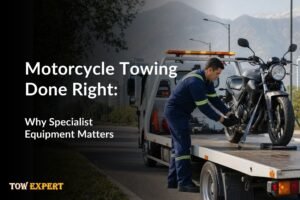
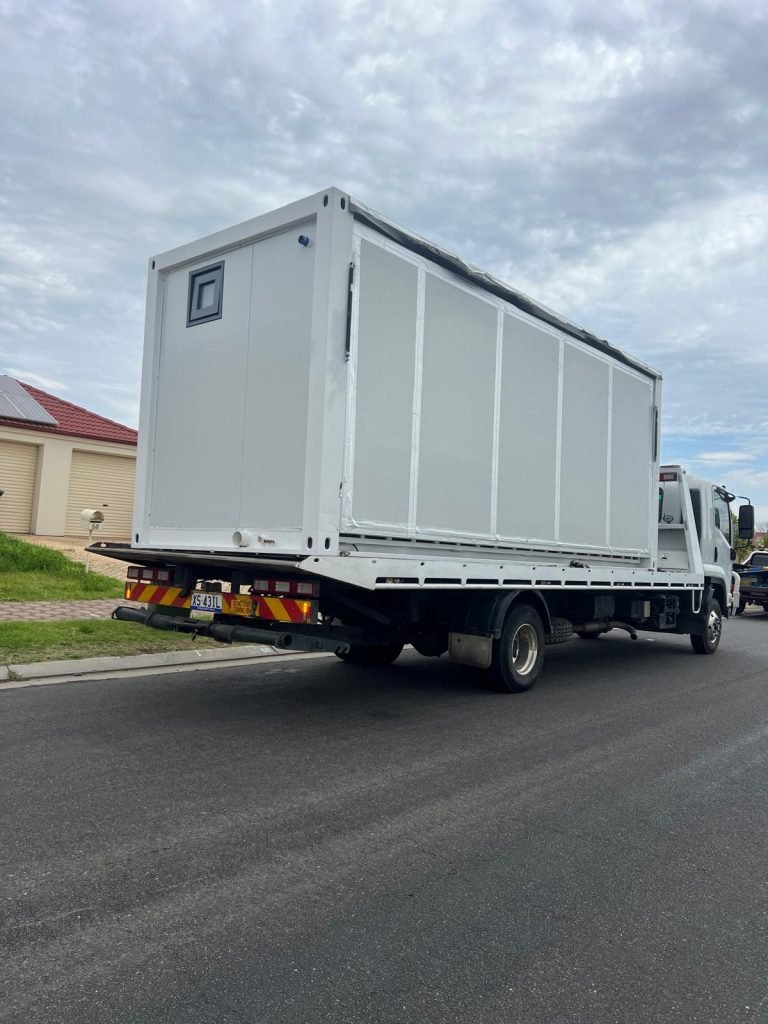
- Vehicle Type: Different vehicles, like motorcycles, SUVs, and trucks, may require specialized towing equipment.
- Distance: Decide whether you need your car towed to a nearby repair shop, your home, or another location.
Identifying these details will help you communicate effectively with the towing service.
2. Choose a Reliable Towing Company
Selecting a reputable tow truck service is essential for a smooth experience. Keep these tips in mind:
a. Do Your Research
- Online Reviews: Check online reviews and ratings on platforms like Google or Yelp to evaluate customer satisfaction.
- Ask for Recommendations: Friends, family, or your auto insurance provider might recommend reliable towing companies.
- Verify Credentials: Ensure the company is licensed, insured, and has qualified drivers.
b. Compare Pricing
Towing costs can vary widely based on distance, type of tow, and time of day. Always request a clear quote upfront to avoid hidden fees.
c. Emergency Services
Choose a company that offers 24/7 services if you’re in an unpredictable situation.
3. Understand Towing Methods
Different towing methods cater to various needs. Familiarize yourself with these common types:
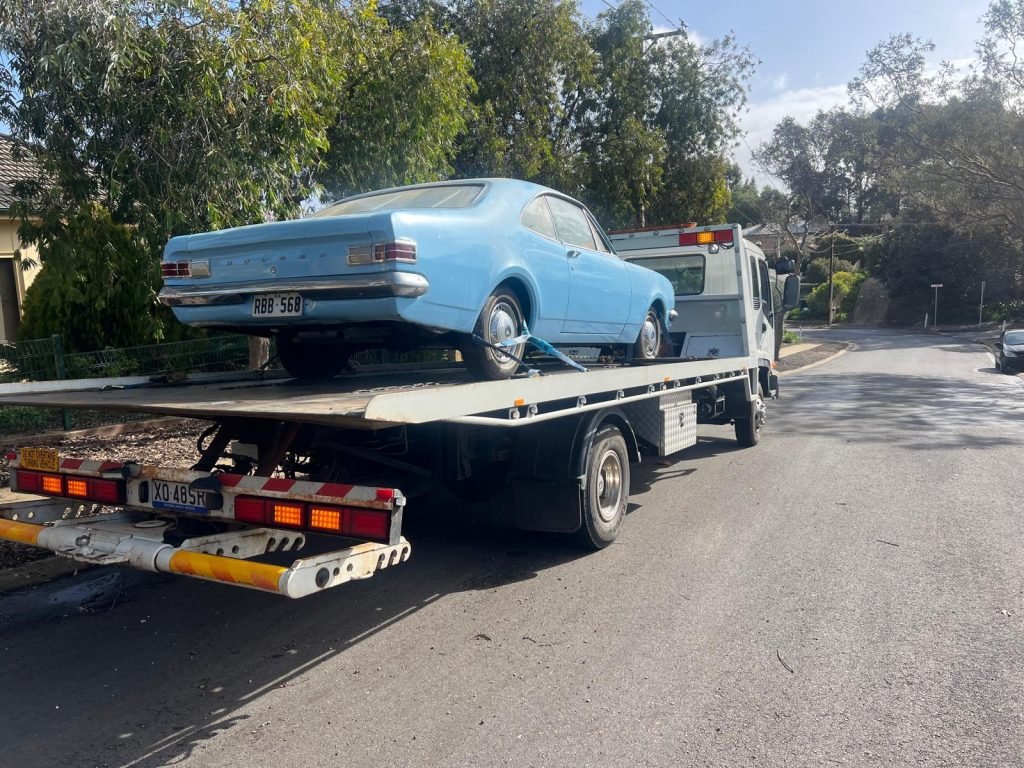
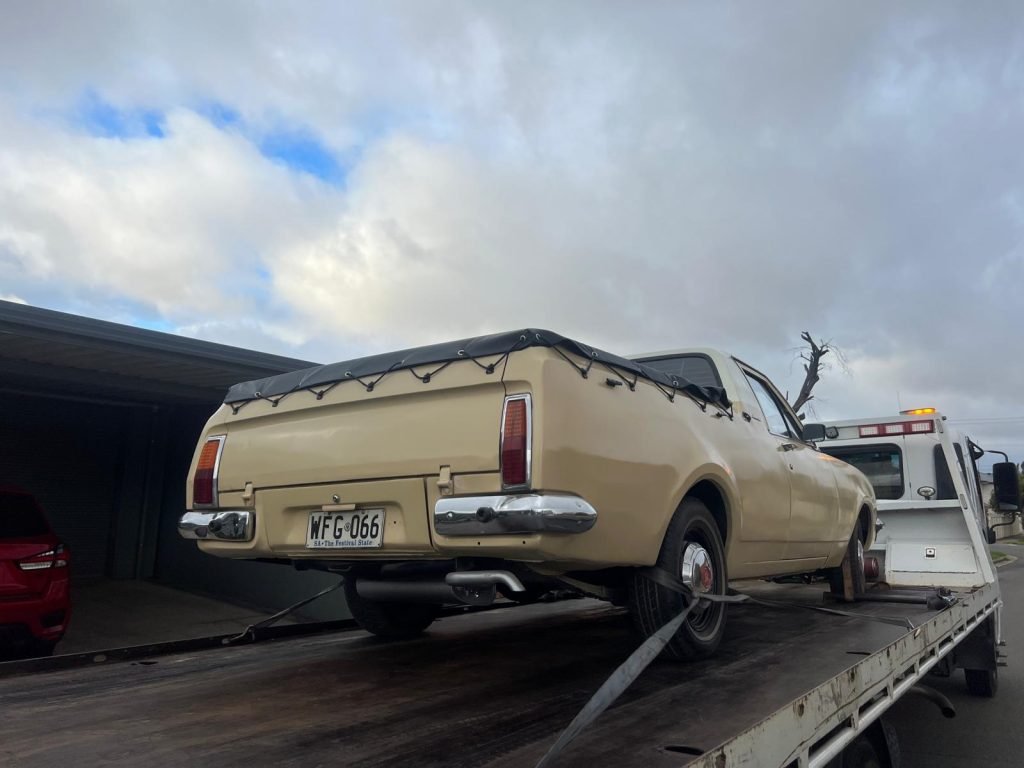
- Flatbed Towing: Ideal for most vehicles, this method involves loading the entire vehicle onto a flatbed truck. It’s safe and prevents wear on the tires or drivetrain.
- Hook-and-Chain Towing: While economical, it’s less commonly used due to potential damage risks, especially for modern cars.
- Wheel-Lift Towing: A cost-effective alternative to flatbed towing, this method lifts the front or rear wheels of the car, leaving the other set on the road.
- Integrated Towing: Used for heavy-duty vehicles like buses and large trucks, it combines a boom and wheel lift.
4. Prepare for the Tow Truck’s Arrival
Once you’ve chosen a towing service, prepare for their arrival by following these steps:
a. Gather Necessary Information
- Provide your exact location, including landmarks or GPS coordinates, to the tow truck operator.
- Share details about your vehicle, such as make, model, color, and license plate number.
b. Ensure Safety
- Turn on your hazard lights and use reflective triangles if available.
- Stay in a safe area away from traffic, like a sidewalk or shoulder, while waiting for the tow truck.
c. Remove Valuables
Before the tow truck arrives, remove any personal belongings or important documents from your vehicle.
5. Know Your Rights as a Customer
Understanding your rights can protect you from scams or unauthorized charges:
a. Authorization
Never allow your vehicle to be towed without signing a service agreement that clearly outlines the charges.
b. Insurance Coverage
Check your auto insurance policy to see if towing services are covered. Some policies offer roadside assistance as an add-on or part of comprehensive coverage.
c. Keep Documentation
Request a receipt detailing the towing company’s information, service type, and fees.
6. Ask Questions
If you’re unsure about any aspect of the towing process, don’t hesitate to ask. Here are a few important questions:
- What’s included in the towing fee?
- Will my vehicle be towed directly to the requested destination, or will it be stored temporarily?
- Is the towing service responsible for any damage during transport?
A reputable towing company will provide clear and honest answers.
7. Post-Towing Considerations
Once your vehicle has been towed, there are a few additional steps to take:
a. Inspect Your Vehicle
Before signing off on the service, inspect your vehicle for any new damage that may have occurred during towing.
b. Follow Up
If the vehicle is delivered to a repair shop, confirm its arrival and coordinate repairs.
c. Review Your Experience
Leave an online review to share your feedback. Positive reviews help good companies thrive, while constructive criticism alerts them to areas for improvement.
8. Tips for Preventing Future Emergencies
To minimize the need for emergency towing services, take preventative measures:
- Regular Maintenance: Keep your vehicle in good condition by adhering to routine maintenance schedules.
- Carry Essential Tools: Have a spare tire, jack, jumper cables, and a basic toolkit in your vehicle.
- Enroll in Roadside Assistance: Services like AAA or those provided by your insurance company offer added peace of mind.
9. Avoid Common Towing Scams
First-time customers are sometimes vulnerable to scams. Here are red flags to watch out for:
- Unsolicited Offers: Be cautious of tow trucks that arrive uninvited, especially after an accident.
- Exorbitant Fees: A reputable company provides an upfront estimate. Avoid services that pressure you into paying without explanation.
- Unlicensed Operators: Verify the company’s legitimacy by checking their credentials.
10. Stay Calm and Collected
Being prepared and informed can significantly reduce the stress of your first towing experience. Stay calm, focus on the steps outlined in this guide, and prioritize your safety.
Conclusion
Your first experience with a tow truck service doesn’t have to be daunting. By understanding your needs, choosing a reputable company, and knowing your rights, you can navigate the process confidently. Armed with these tips, you’ll be better prepared to handle any roadside emergency. Remember, the goal is not just to get your vehicle towed but to ensure it’s done safely, efficiently, and with minimal stress.