Introduction
Tow trucks are often viewed as essential tools for roadside assistance, used primarily to transport disabled vehicles from one location to another. However, their role extends far beyond this simplistic perception. Tow trucks play a critical role in emergency response situations, acting as essential contributors to public safety and infrastructure management. These versatile vehicles are equipped to handle a wide range of emergencies, from traffic accidents to natural disasters, ensuring that roads are cleared, vehicles are safely removed, and traffic flow is restored. In regions like Alidade, Australia, where diverse terrain and unpredictable weather conditions are common, tow trucks are indispensable assets for emergency services and communities alike.
Types of Tow Trucks and Their Capabilities
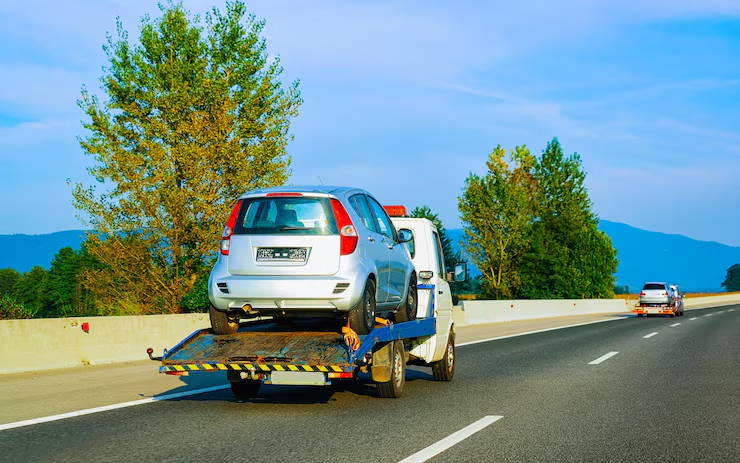
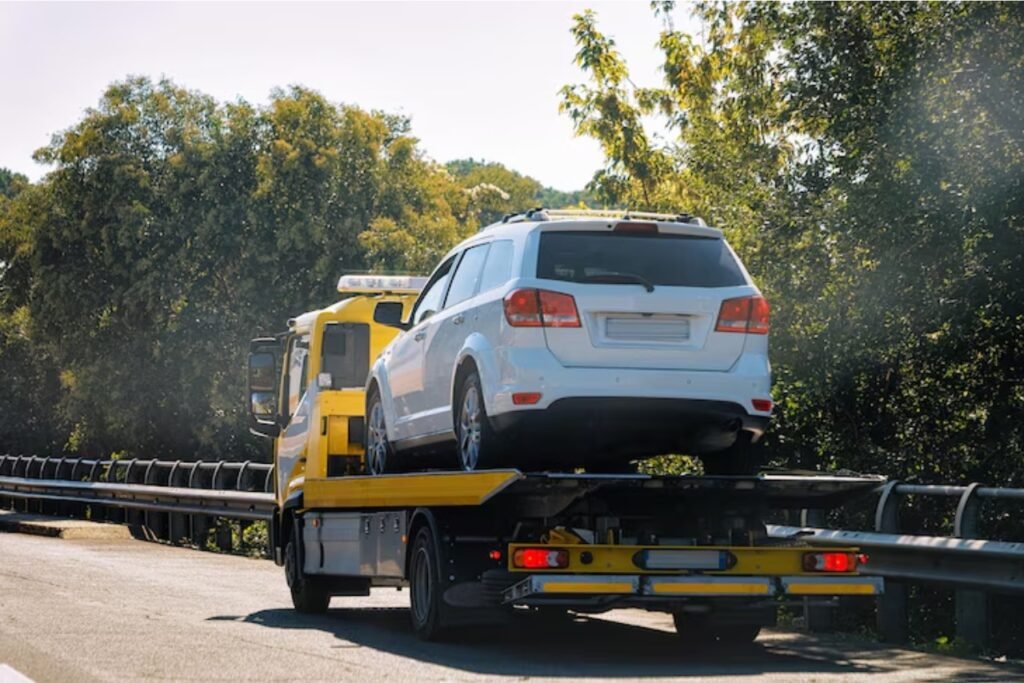
There are various types of tow trucks designed to handle different scenarios, each equipped with specialized tools and capabilities. Flatbed tow trucks, for instance, are ideal for safely transporting vehicles with significant damage or for luxury vehicles that require extra care during transport. Hook-and-chain tow trucks, while less common today, are suitable for towing wrecked vehicles in emergencies. Wheel-lift tow trucks are designed for quick and efficient towing of smaller vehicles, often used in urban areas where space is limited. Integrated tow trucks, featuring extra axles and arm systems, are utilized for heavy-duty tasks, such as recovering large trucks or buses from accident scenes. Each type of tow truck is engineered to address specific challenges, making them vital in a variety of emergency situations.
Rapid Response to Traffic Accidents
One of the primary roles of tow trucks in emergency response is their involvement in traffic accidents. When collisions occur, particularly on busy highways, the immediate priority is to ensure the safety of all involved parties and prevent further accidents. Tow trucks are often among the first responders to such incidents, working alongside police and ambulance services. Their tasks include removing damaged vehicles from the roadway, transporting them to repair facilities, and sometimes assisting with accident reconstruction efforts. By quickly clearing the scene, tow trucks help minimize traffic disruptions and reduce the risk of secondary accidents caused by distracted drivers or roadway obstructions.
Natural Disasters and Tow Trucks
In the wake of natural disasters, such as floods, bushfires, or storms, tow trucks are integral to recovery efforts. They are deployed to clear debris, recover stranded vehicles, and provide logistical support for emergency operations. In areas prone to flooding, tow trucks equipped with high-clearance capabilities can access submerged vehicles and tow them to safer locations. During bushfires, they often transport fire-damaged vehicles away from affected areas, helping to restore normalcy. These trucks also assist in transporting emergency equipment and supplies to remote or hard-to-reach locations, showcasing their versatility beyond conventional towing.
Assisting with Vehicle Breakdowns
Vehicle breakdowns are a common occurrence on roads and highways, and while not always classified as emergencies, they can quickly escalate into hazardous situations, especially in high-traffic areas or during inclement weather. Tow trucks provide a vital service by responding promptly to stranded motorists, ensuring their safety and that of other road users. Whether it involves jump-starting a dead battery, changing a flat tire, or towing the vehicle to a nearby repair shop, tow truck operators are trained to handle these situations efficiently. Their presence on the scene also provides reassurance to distressed drivers, offering both technical assistance and emotional support.
Specialized Training for Tow Truck Operators
Tow truck operators undergo rigorous training to prepare them for the diverse challenges they may encounter in emergency response situations. This training includes technical skills, such as operating towing equipment, securing vehicles, and performing roadside repairs, as well as safety protocols to protect themselves and others during high-pressure scenarios. In addition, operators are often trained in first aid and emergency response procedures, enabling them to provide assistance to injured individuals until professional medical help arrives. The combination of technical expertise and crisis management skills makes tow truck operators invaluable members of the broader emergency response team.
Tow Trucks in Urban and Rural Settings
The role of tow trucks varies significantly between urban and rural settings, each presenting unique challenges. In urban areas, tow trucks are frequently called upon to clear accidents during rush hours, enforce parking regulations, and assist with breakdowns in congested streets. Their ability to navigate tight spaces and respond quickly is crucial in minimizing traffic disruptions. Conversely, in rural areas like Alidade, tow trucks often face the challenge of long travel distances, rough terrain, and limited access to resources. These scenarios demand robust vehicles and skilled operators capable of handling the additional complexities of remote operations.
Technological Advancements in Tow Trucks
Modern tow trucks are equipped with advanced technology that enhances their efficiency and safety during emergency response operations. GPS tracking systems allow dispatch centers to monitor the location of tow trucks in real time, ensuring that the nearest available vehicle is dispatched to an emergency. Hydraulic lifts and winches enable the recovery of vehicles from challenging positions, such as ditches or embankments, with minimal risk of further damage. Additionally, some tow trucks are equipped with onboard diagnostic tools, allowing operators to identify and address minor mechanical issues on-site. These technological advancements not only streamline operations but also contribute to safer and more effective emergency response efforts.
Collaboration with Emergency Services
Tow truck operators often work in close collaboration with police, fire, and medical services during emergencies. This teamwork is essential for coordinating efforts, ensuring efficient scene management, and prioritizing tasks based on urgency. For example, during a multi-vehicle accident, tow truck operators might assist in extricating trapped passengers, clearing debris, and transporting vehicles to impound lots for further investigation. This seamless integration with other emergency services underscores the importance of tow trucks as critical components of the public safety infrastructure.
Challenges Faced by Tow Truck Operators
Despite their vital role, tow truck operators face numerous challenges in emergency response situations. These include working in hazardous conditions, such as adverse weather or poorly lit areas, and dealing with unpredictable traffic patterns that pose a risk to their safety. Operators must also navigate the emotional toll of witnessing traumatic incidents and managing interactions with distressed or irate individuals. Additionally, the physical demands of the job, coupled with long and irregular hours, can contribute to fatigue and burnout. Addressing these challenges requires a combination of comprehensive training, adequate support systems, and adherence to strict safety protocols.
Economic and Environmental Impact
Tow trucks also have an economic and environmental impact that extends beyond their immediate role in emergency response. By quickly clearing accident scenes and restoring traffic flow, they contribute to reduced fuel consumption and emissions caused by congestion. Additionally, the efficient recovery and transport of damaged vehicles facilitate repairs and recycling efforts, supporting the automotive and salvage industries. However, the operation of tow trucks themselves involves fuel consumption and emissions, highlighting the importance of adopting more sustainable practices, such as using hybrid or electric tow trucks, to minimize their environmental footprint.
The Psychological Impact of Tow Truck Services on Drivers
When a driver experiences an emergency, whether it’s a vehicle breakdown or a collision, the situation can be extremely stressful and disorienting. Tow trucks and their operators provide a critical psychological reprieve in these moments. The mere arrival of a tow truck often alleviates a driver’s anxiety, as it signifies the beginning of a resolution. Operators, trained to handle not only technical tasks but also human interactions, often offer comforting words and clear instructions that help drivers feel more secure. This aspect of their role is often overlooked but is invaluable in reducing panic and fostering a sense of control during emergencies.
Tow Trucks in Flood and Water Recovery
In regions like Alidade, Australia, where flash floods and heavy rains are common, tow trucks are often deployed for water recovery operations. Specialized tow trucks equipped with extended booms and water-resistant components can navigate flooded areas to retrieve submerged vehicles. These recovery efforts are not just about salvaging property; they also play a critical role in ensuring public safety. Stranded vehicles in floodwaters can obstruct rescue operations or create additional hazards, and tow trucks help mitigate these risks by swiftly removing impediments.
Tow Trucks as Part of Disaster Preparedness Plans
Tow trucks are increasingly being integrated into disaster preparedness and emergency management plans. Municipalities and private organizations recognize the value of having a robust fleet of tow trucks on standby to respond to crises. During large-scale emergencies, such as cyclones or earthquakes, tow trucks often collaborate with other heavy machinery to clear roads, transport supplies, and assist in evacuation efforts. Their ability to adapt to a wide range of scenarios makes them indispensable in creating resilient communities prepared to face emergencies.
Supporting Public Events and Large Gatherings
Beyond responding to accidents and breakdowns, tow trucks also play a preventative role in managing emergencies at public events or large gatherings. Festivals, sports events, and community fairs often require parking enforcement and traffic management to ensure the safety of attendees. Tow trucks help manage illegally parked vehicles and clear obstructions that could hinder emergency response access. This proactive use of tow trucks helps prevent potential hazards and ensures smooth operations during events.
Environmental Recovery After Accidents
Tow trucks contribute to environmental recovery after accidents, especially those involving hazardous materials. When trucks carrying chemicals or fuel are involved in collisions, the risk of environmental contamination is high. Tow truck operators trained in hazardous material handling collaborate with environmental response teams to safely recover vehicles and mitigate spills. Their swift action minimizes environmental damage and prevents long-term ecological consequences, showcasing the broader significance of their work beyond just towing.
Legal and Regulatory Considerations for Tow Truck Operations
The role of tow trucks in emergency response is governed by a complex web of legal and regulatory requirements. Operators must comply with traffic laws, vehicle safety standards, and licensing protocols to ensure their operations are safe and effective. In Australia, tow truck services are often required to meet specific insurance and liability guidelines, especially when dealing with accident recoveries. Adhering to these regulations not only protects the operators and their clients but also ensures public trust in the towing industry.
Community Contributions Beyond Emergencies
Tow trucks and their operators often go above and beyond their professional duties to contribute to the community. Many companies participate in charity events, offer discounted services for low-income families, or provide free towing for abandoned vehicles to support local clean-up efforts. These contributions underscore the role of tow trucks as more than just emergency responders—they are integral parts of the communities they serve, fostering goodwill and trust among residents.
The Future of Tow Trucks in Emergency Response
As technology evolves, the future of tow trucks in emergency response looks increasingly innovative. Autonomous tow trucks equipped with artificial intelligence could streamline dispatch and recovery operations, reducing response times and enhancing safety. Eco-friendly models powered by electricity or alternative fuels are also likely to become more common, addressing environmental concerns. These advancements will not only improve the efficiency and sustainability of tow truck services but also expand their capabilities, making them even more versatile in emergency response scenarios.
Conclusion
Tow trucks are indispensable in emergency response situations, providing a wide range of services that ensure public safety, maintain traffic flow, and support recovery efforts during crises. Their versatility, coupled with the expertise of trained operators, enables them to address diverse challenges in both urban and rural settings. As technology continues to advance and the demand for efficient emergency services grows, the role of tow trucks is likely to expand, further solidifying their importance in modern society.
For residents and businesses in Alidade, Australia, TowExpert stands as a reliable partner in emergency towing and roadside assistance. With a fleet of advanced tow trucks and a team of highly skilled operators, TowExpert is dedicated to delivering prompt and professional services, ensuring the safety and satisfaction of its customers. Whether responding to accidents, breakdowns, or natural disasters, TowExpert exemplifies the critical role of tow trucks in supporting the community during emergencies.