Towing a vehicle is a necessary process for various situations such as accidents, breakdowns, or parking violations. It’s crucial to understand the best practices for towing to prevent further damage to the vehicle, ensure the safety of everyone involved, and comply with the legal guidelines. Whether you are a professional tow truck driver or someone who needs to tow their car, understanding the correct methods can make all the difference.
In this article, we’ll walk you through everything you need to know about towing a vehicle, from the basics to advanced techniques, safety tips, and how to choose a reliable towing service provider. You’ll also find useful details about TowExpert, a trusted towing service company based in Alidade, Australia.
1. Understanding the Basics of Towing
Towing involves moving a disabled vehicle from one location to another using a towing vehicle or a tow truck. The process is essential for those whose cars have broken down, been involved in accidents, or need to be transported for other reasons. There are a few different methods used in towing vehicles, including flatbed towing, wheel-lift towing, and dolly towing. Each method has its advantages and is used depending on the type of vehicle and situation.
1.1 Different Towing Methods
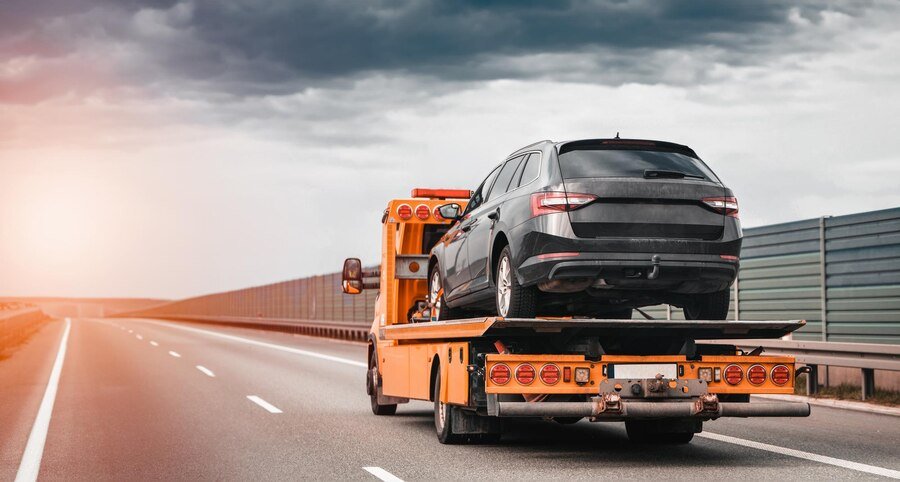
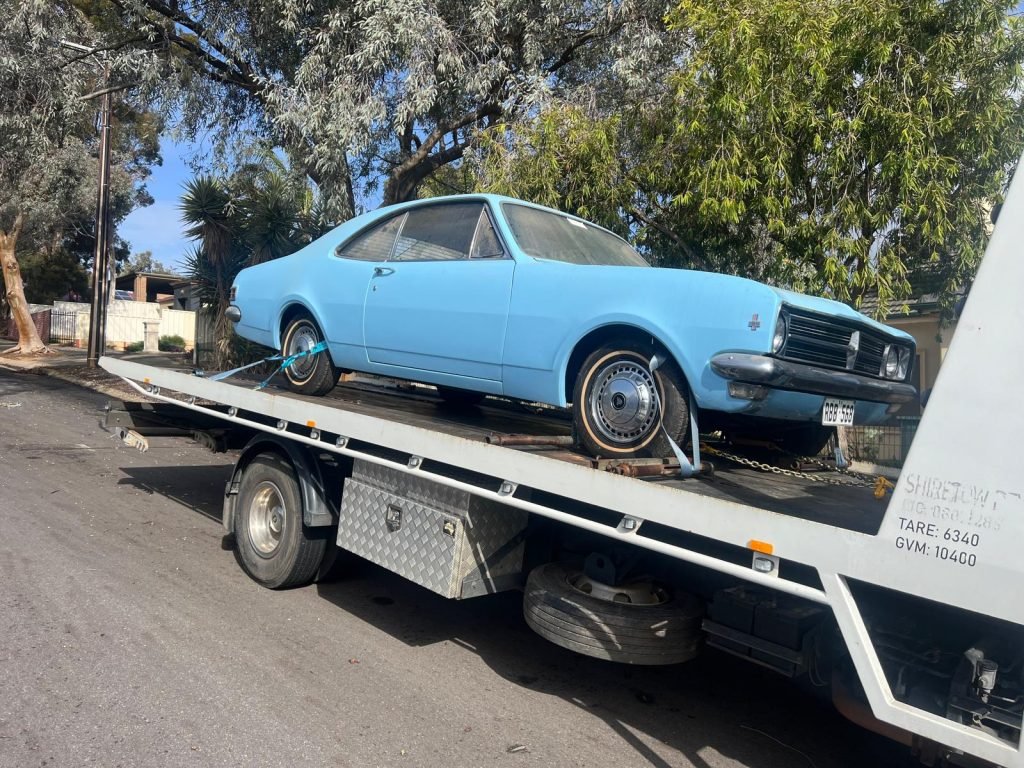
- Flatbed Towing: This is one of the safest methods of towing a vehicle. The vehicle is loaded onto a flatbed tow truck, and the truck drives to the destination. This method ensures that the towed vehicle does not experience any wear or tear because all wheels are off the ground. Flatbed towing is ideal for transporting luxury vehicles, all-wheel-drive cars, or vehicles with significant mechanical issues.
- Wheel-Lift Towing: This method uses a specialized towing system where the rear or front wheels of the vehicle are lifted off the ground using hydraulic arms, while the other set of wheels remains on the ground. It’s commonly used for towing standard vehicles and is faster and more cost-effective than flatbed towing. However, this method isn’t ideal for all types of vehicles, especially those with front-wheel or all-wheel drive.
- Dolly Towing: A dolly towing system uses two small wheels to lift either the front or rear wheels of the car off the ground, similar to wheel-lift towing. This system is often used for smaller vehicles and is particularly effective for manual vehicles. It’s also commonly used for vehicles that need to be towed long distances.
1.2 Choosing the Right Towing Equipment
Selecting the right type of towing equipment is crucial. Professional tow services typically use specialized trucks that have been designed for specific types of vehicles and loads. When towing a vehicle, make sure the towing company uses equipment that can handle the weight and dimensions of your car.
- Towing Hitch: For those who need to tow their vehicle using a personal vehicle, it’s essential to have the correct type of towing hitch. The hitch should be rated for the weight of your vehicle, ensuring that it can handle the load safely.
- Tow Strap or Chain: When towing a vehicle using another vehicle, a tow strap or chain is typically used. It’s essential to make sure that the strap or chain is made of strong, durable materials that can handle the weight of the vehicle being towed. Tow chains are commonly used for short-distance towing, while tow straps are ideal for longer distances.
- Tow Bar: A tow bar is another piece of equipment commonly used for towing vehicles over long distances. Tow bars attach to the front of the vehicle being towed and allow for a smooth, stable towing experience.
1.3 Vehicle-Specific Considerations
Before towing, you need to know the specifications of the vehicle being towed, including its weight, transmission type, and drivetrain. For example, some vehicles with automatic transmissions should never be towed with the drive wheels on the ground, as this can damage the transmission. Always refer to the owner’s manual for guidance on whether flatbed towing is required.
1.4 Legal Guidelines for Towing
It’s crucial to follow the legal guidelines and requirements for towing in your area. Different countries, states, and regions have specific laws regarding how vehicles can be towed. For example, the distance at which a vehicle can be towed, the equipment required, and whether a special license is needed to operate towing vehicles.
In Australia, towing services are regulated by local authorities, and there are strict rules regarding the towing of vehicles. Make sure to consult with a local towing company or the relevant government body to ensure that you are complying with all applicable laws.
2. Preparing the Vehicle for Towing
Before towing your vehicle, there are a few steps you need to take to prepare it for the towing process. Proper preparation is essential for the safety of both the vehicle and the person performing the towing.
2.1 Check the Transmission Fluid
If you are towing a vehicle that is not on a flatbed, make sure that the vehicle is in neutral and that the transmission fluid levels are adequate. Low transmission fluid levels can cause the vehicle’s transmission to overheat when being towed.
2.2 Ensure All Windows Are Rolled Up
Before the towing process begins, ensure that the vehicle’s windows are rolled up, as this helps protect the interior of the car from dust and debris.
2.3 Disable Security Systems
If the vehicle is equipped with an alarm system or other security features, make sure to deactivate them to avoid triggering false alarms during towing.
2.4 Secure Loose Items
Make sure to secure or remove any loose items inside the vehicle that could potentially fall out during towing. Additionally, make sure that the tow vehicle is securely attached to the vehicle being towed before setting off.
3. The Towing Process
Once you’ve prepared your vehicle for towing, it’s time for the actual towing process. Here’s a step-by-step breakdown of the towing process.
3.1 Attach the Towing Equipment
For professional towing services, the towing company will handle the attachment of the towing equipment. For personal towing, ensure that the hitch or tow bar is securely fastened to the vehicle being towed, and the chain or tow strap is attached to the towing vehicle.
3.2 Perform Safety Checks
Before starting the tow, double-check that everything is in place and secure. Ensure that the towing vehicle’s lights, brakes, and signals are working properly, and that the vehicle being towed is secure.
3.3 Start Slowly and Steadily
When towing, it’s important to start slowly and avoid sudden jerks or sharp turns. Sudden movements can cause damage to the vehicle being towed or the towing equipment.
3.4 Monitor the Towing Process
If you are towing the vehicle yourself, ensure that you monitor the towing process closely. If you notice anything unusual, such as excessive swaying, strange noises, or difficulty steering, it’s important to stop and reassess the situation.
4. What to Do in Case of an Emergency While Towing
There’s always the possibility of something going wrong while towing a vehicle. Whether it’s an accident or a mechanical failure, knowing how to handle emergencies while towing can prevent further damage and ensure your safety.
4.1 Vehicle Breakdown
If your towing vehicle or the vehicle being towed breaks down during the process, pull over to the side of the road immediately. Make sure that both vehicles are parked in a safe location, and activate the emergency flashers. Contact a professional towing company to resolve the situation.
4.2 Accidents During Towing
In the event of an accident while towing, ensure that all involved parties are safe. Call emergency services immediately, and do not attempt to move the vehicles unless necessary for safety reasons.
5. Choosing the Right Towing Company
When you need to tow a vehicle, choosing a reliable towing company is critical. There are several factors to consider when selecting a towing service provider.
- Experience: A company with years of experience in towing will have the expertise to handle all kinds of towing situations.
- Reputation: Always check the company’s reviews and ratings to ensure that they provide quality service.
- 24/7 Availability: Towing emergencies can happen at any time. Ensure that the towing company you choose offers 24/7 emergency services.
- Affordable Rates: Compare prices between different towing companies to ensure that you are getting a fair price for the services offered.
- Insurance: Make sure that the towing company is insured to protect you in case of damage to your vehicle during the towing process.
6. Common Mistakes to Avoid While Towing
Towing a vehicle is a delicate task, and even seasoned professionals can make mistakes if they’re not careful. To ensure a smooth towing experience, here are some common mistakes you should avoid:
6.1 Failing to Check the Towing Capacity
One of the most critical mistakes that people make is failing to check the towing capacity of their vehicle. Every vehicle has a specified towing capacity, which is the maximum weight it can safely tow. Overloading the towing vehicle can lead to mechanical issues, braking problems, and even accidents. Before towing, always ensure that your towing vehicle is capable of handling the load of the vehicle you’re towing, especially if you’re using a personal vehicle rather than a professional tow truck.
6.2 Not Using the Right Tow Equipment
Using improper or substandard towing equipment is another mistake that can result in serious damage. For example, using a weak tow strap or improperly securing the vehicle can cause the vehicle to detach during towing. It’s essential to use high-quality, durable equipment that is rated for the weight of the vehicle being towed. Always inspect the tow chains, straps, and hitches to make sure they are in good condition.
6.3 Not Communicating Properly
Effective communication is vital when towing a vehicle, particularly if you’re towing with a second person or vehicle. Whether it’s signaling turns, stopping, or using lights, make sure that the towing vehicle and the towed vehicle are in sync at all times. Lack of communication can lead to confusion, dangerous maneuvers, and accidents. Always ensure that both drivers are aware of the route, expected stops, and emergency procedures in case something goes wrong.
6.4 Towing Too Fast
Another frequent mistake is towing at excessive speeds. Towing a vehicle at high speeds increases the risk of losing control or damaging the towed vehicle. The towing vehicle should move at a slow, steady pace, especially in areas with tight corners, steep inclines, or uneven road surfaces. It’s also essential to maintain a safe distance between the towing vehicle and the towed vehicle, allowing for smooth braking and reaction times.
6.5 Ignoring Road Conditions
The condition of the road plays a significant role in how a vehicle should be towed. Driving on gravel roads, dirt paths, or uneven terrain can create additional strain on both the towing vehicle and the towed vehicle. Always evaluate the road conditions before towing, and if the route is challenging, consider using a flatbed tow truck for safer transport.
7. Towing in Different Weather Conditions
Weather conditions can greatly impact the towing process. Whether you’re towing a car during a storm or on a hot, dry day, adjusting your towing methods to the environment is essential for safety.
7.1 Towing in Wet or Rainy Weather
Rain can create slippery roads and reduce visibility, making towing more dangerous. During wet weather, it’s important to drive slowly and avoid sudden braking or sharp turns, as the risk of skidding is higher. Keep a safe distance between the towing vehicle and the towed vehicle to account for longer stopping distances. Ensure that the towing equipment is securely fastened, as rain can cause straps to loosen or slip.
7.2 Towing in Extreme Heat
Hot temperatures can cause significant wear on towing equipment, especially tow straps, chains, and tires. Extreme heat can also increase the risk of engine overheating, particularly in vehicles that are already experiencing mechanical issues. When towing in high temperatures, make sure the towing vehicle is well-maintained, and check fluid levels regularly. It’s also advisable to take frequent breaks to let both vehicles cool down and avoid excessive stress on the towing system.
7.3 Towing in Snow and Ice
Snow and ice create hazardous conditions for towing, as the road surface becomes slippery and the vehicle’s traction may be compromised. If you must tow during winter conditions, it’s recommended to use a flatbed tow truck, especially if the vehicle being towed is rear-wheel or all-wheel drive. Always equip the towing vehicle with snow tires or chains to improve grip. Reduce your speed and ensure that the brakes are in optimal condition to prevent skidding or losing control.
7.4 Towing in Windy Conditions
Strong winds can pose a significant risk while towing, especially if you’re towing large vehicles or have a trailer attached. Wind can affect the stability of both the towing vehicle and the towed vehicle, potentially causing swaying or unsteady movements. If you’re towing in high winds, reduce your speed and avoid sudden maneuvers. It’s also helpful to monitor wind forecasts to determine whether it’s safe to tow or if you should delay the trip.
7.5 Towing in Foggy Weather
Driving in fog reduces visibility and increases the difficulty of seeing the road ahead. If you’re towing during foggy conditions, ensure that the towing vehicle’s lights are functioning properly. It’s also important to drive with caution, reducing your speed and increasing the distance between your vehicle and others on the road. If the fog is thick and visibility is severely limited, consider waiting for conditions to improve or seeking alternative routes that are better lit.
8. The Importance of Regular Maintenance for Towing Vehicles
Regular maintenance is essential for any vehicle, but it’s especially important for vehicles involved in towing. Towing places extra strain on both the towing vehicle and the towed vehicle, which can result in mechanical problems if proper maintenance is not performed. Here’s why regular maintenance is crucial:
8.1 Ensuring Safety
Regular maintenance ensures that the towing vehicle’s braking system, lights, tires, and suspension are all in good working condition. These systems are critical for ensuring the safety of the towing process, as they help maintain control and prevent accidents. Regularly checking your vehicle’s condition before each towing task will give you peace of mind and ensure that all systems are ready for the job.
8.2 Preventing Unexpected Breakdowns
Nothing can be more frustrating than experiencing a breakdown in the middle of towing. To avoid this, it’s essential to perform routine checks on your vehicle’s engine, transmission, and electrical systems. A simple oil change, brake check, or fluid level inspection can help prevent unexpected failures that could halt your towing process.
8.3 Extending the Life of Your Towing Vehicle
By following a regular maintenance schedule, you can extend the life of your towing vehicle. Towing puts additional pressure on the engine and transmission, and keeping up with maintenance can reduce the risk of long-term damage. Make sure to follow the manufacturer’s maintenance guidelines to ensure your vehicle is equipped to handle towing jobs efficiently.
8.4 Proper Tire Care
Tires are one of the most important components of any vehicle, and they play an even more critical role when towing. Make sure the towing vehicle and the towed vehicle have properly inflated tires and tread that’s suitable for the type of terrain you’ll be driving on. Underinflated or worn tires can lead to tire blowouts or poor vehicle handling while towing, putting both the vehicle and the occupants at risk.
8.5 Towing Accessories Maintenance
If you use towing accessories such as tow bars, hitches, or dollies, ensure they are regularly inspected and maintained. These accessories experience wear and tear, so checking them for signs of damage or corrosion is crucial. A faulty tow hitch or broken tow strap could result in serious accidents during the towing process.
9. Towing Service Considerations: Cost and Insurance
When choosing a towing service, it’s essential to consider the cost of towing and the insurance coverage that the service provides. Understanding the pricing structure and the potential risks involved will help you avoid unexpected expenses.
9.1 Cost of Towing Services
The cost of towing can vary depending on factors such as the distance to be covered, the type of vehicle, and the specific towing method required. Typically, tow services charge a flat base fee for the initial towing, plus an additional fee for each mile or kilometer. Some companies may also charge extra for specific services such as emergency towing or long-distance towing. It’s a good idea to ask for a breakdown of the costs before agreeing to any services.
9.2 Insurance Coverage
Towing companies usually offer insurance to cover any damage to the vehicle during the towing process. However, it’s important to confirm the extent of coverage. While many companies provide basic coverage, some may not include protection against accidental damage or theft. You may want to consider purchasing additional insurance for peace of mind, especially if you’re towing a high-value vehicle.
9.3 Additional Fees
In some cases, additional fees may apply, such as storage fees if your vehicle needs to be stored at the towing company’s facility before pickup. Other possible fees include recovery charges if the vehicle needs to be pulled out of a difficult location, or charges for specialized equipment required to handle your specific towing needs.
9.4 Choosing Affordable Towing Services
While cost is an important factor, it’s also crucial to find a towing company that provides reliable service at a reasonable price. Look for companies that offer transparent pricing and upfront quotes. Avoid companies that provide unusually low prices, as this may indicate subpar equipment or service quality.
TowExpert: Your Trusted Towing Service Provider in Alidade, Australia
When it comes to reliable and professional towing services in Alidade, Australia, look no further than TowExpert. Specializing in both emergency and non-emergency towing services, TowExpert offers efficient solutions for all types of vehicles, including cars, trucks, motorcycles, and more. With a team of highly trained and experienced professionals, TowExpert ensures that your vehicle is towed safely and promptly.
Whether you’ve been in an accident, experienced a breakdown, or need to transport your vehicle for another reason, TowExpert has the right equipment and expertise to handle the job. With 24/7 availability, competitive pricing, and exceptional customer service, TowExpert is your go-to towing company in Alidade, Australia.
Contact TowExpert today for all your towing needs, and experience peace of mind knowing your vehicle is in good hands.