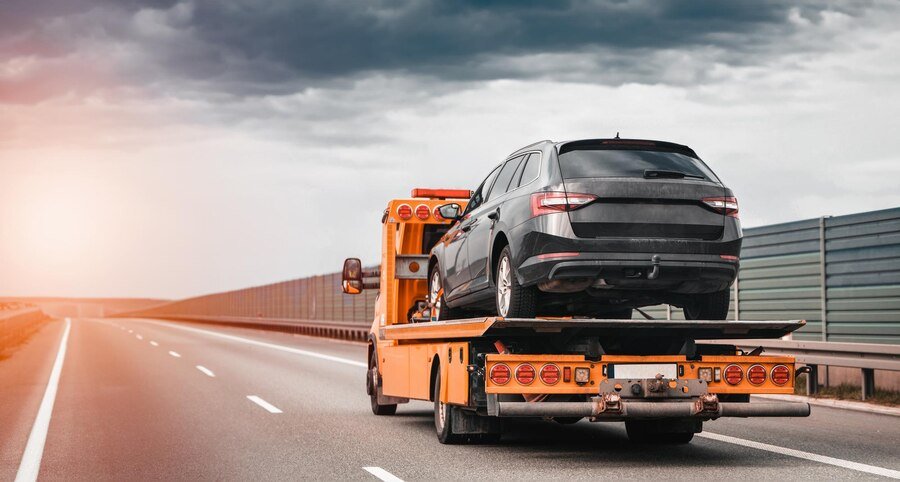
Towing is a critical activity that helps transport vehicles and other loads from one place to another. It is a necessary service for a variety of reasons, from relocating a broken-down vehicle to helping people move heavy loads across long distances. However, towing is not just about attaching a vehicle to another vehicle and pulling it along. It involves careful planning, the right equipment, and a deep understanding of safety protocols to ensure that the towing process is smooth and secure.
One such essential piece of equipment that often goes unnoticed is the safety chain. While many people may be aware of the primary towing mechanisms like tow bars, hitches, and cables, safety chains are often relegated to the background despite their critical role in preventing accidents and ensuring a secure connection between the tow vehicle and the towed load. In this article, we will dive into the importance of safety chains in towing, their functions, and why they are indispensable for safe towing practices.
What Are Safety Chains?
Safety chains are strong, metal chains that connect the towed vehicle to the towing vehicle. These chains serve as a secondary means of attachment in the event that the primary towing connection (such as the hitch or tow bar) fails. They are designed to prevent the towed vehicle from detaching and potentially causing a hazardous situation on the road. The chains are typically made of durable steel or other strong metals, capable of withstanding significant tension.
Safety chains should be installed correctly to ensure that they function properly. They are usually crossed beneath the towing vehicle’s hitch to create a more secure connection, thus preventing the towed vehicle from swerving or spinning in the event of a disconnection.
The Importance of Safety Chains in Towing
1. Prevents Unintended Detachment
One of the primary purposes of safety chains is to prevent the towed vehicle from becoming detached from the towing vehicle. Accidents, mechanical failure, or even improperly secured equipment can cause the tow bar or hitch to fail. If this happens, the safety chains take over the task of keeping the vehicles connected. Without them, the towed vehicle could become a serious hazard on the road, potentially causing accidents, collisions, or other dangerous situations.
For instance, imagine a situation where a vehicle is towing a caravan on a highway, and the primary hitch fails. Without safety chains, the caravan would break free and could veer across lanes, creating a major safety risk. However, with safety chains properly attached, the caravan would remain tethered, allowing the driver to safely stop the vehicle.
2. Provides Stability and Control
In addition to preventing detachment, safety chains also offer stability and control when towing. The chains help distribute the weight between the towing vehicle and the towed load, ensuring that the load remains balanced. This balance prevents swaying, fishtailing, or unexpected movements, making the towing process smoother and more controlled.
Properly installed safety chains also prevent the towed vehicle from becoming a runaway hazard. If the chains are too loose or not properly crossed, the towed vehicle may experience erratic movements that can lead to loss of control, especially at high speeds or in adverse weather conditions.
3. Enhances Safety During Emergency Stops
When towing a load, sudden braking or emergency stops may be required in certain situations. For example, a driver might need to avoid an obstacle or respond quickly to changing road conditions. In such cases, the safety chains provide an additional layer of security. By keeping the towed vehicle attached to the towing vehicle during an emergency stop, the chains prevent the towed vehicle from sliding or swerving, reducing the risk of further accidents.
Additionally, safety chains act as a backup system in case the primary braking system (in the towing vehicle) is unable to manage the weight of the towed load effectively. In such cases, the safety chains will help stabilize the load, making it easier for the driver to manage the situation.
4. Legal and Insurance Compliance
In many regions, including Australia, it is legally required to use safety chains when towing a vehicle or trailer. The regulations may vary depending on the weight and type of load being towed, but in most cases, safety chains are mandatory. Failing to use safety chains could result in penalties, fines, or even being held liable for accidents that occur due to the lack of proper safety measures.
Moreover, many insurance policies require the use of safety chains for towing. In the unfortunate event of an accident or a towing-related incident, the lack of safety chains could invalidate the claim. Therefore, using safety chains not only ensures that towing is safe but also ensures that you are compliant with legal and insurance requirements.
Types of Safety Chains
1. Single Safety Chains
A single safety chain consists of one chain connecting the towing vehicle to the towed load. This is typically used for lighter loads or smaller vehicles. While single chains are adequate in certain situations, they are less secure than a double chain system and are more likely to allow swaying or disconnection if one chain fails.
2. Double Safety Chains
A double safety chain system uses two chains, one on each side of the towing vehicle. This setup is more secure and is preferred for larger loads or vehicles. Double chains provide better stability and ensure that if one chain fails, the other will still be in place to keep the load secure.
3. Safety Chain with Clips or Hooks
Some safety chains come with clips or hooks to secure the connection between the towing vehicle and the towed load. These clips or hooks can be attached to designated points on both the tow vehicle and the towed vehicle, ensuring that the chains stay in place during towing.
Safety chains with clips or hooks are ideal for applications where quick attachment and detachment are required, as they make it easier to connect and disconnect the chains without the need for additional tools.
How to Properly Install Safety Chains
1. Positioning the Chains Correctly
When installing safety chains, it is important to position them correctly. For maximum security, the chains should be crossed beneath the towing vehicle’s hitch. This crossing creates a more secure connection and prevents the towed vehicle from swerving excessively if the hitch fails.
2. Ensuring Proper Length and Tension
The safety chains should be long enough to allow flexibility in movement, but not too long that they become slack. Too much slack in the chains can lead to excessive swinging of the towed load, making the towing process unsafe. On the other hand, chains that are too short may restrict the movement of the towed vehicle and could cause the chain to snap under tension.
3. Inspecting the Chains Regularly
Before embarking on any towing journey, it is essential to inspect the safety chains for any signs of damage or wear. Check for rust, kinks, or weakened links. If any damage is found, replace the chains immediately. Regular inspection will help ensure that the chains remain in good condition and are ready to perform their role if needed.
The Role of Safety Chains in Different Towing Scenarios
Safety chains play an even more vital role in specialized towing scenarios. For example, towing heavy machinery, recreational vehicles, or oversized trailers requires greater attention to safety. In such cases, safety chains are essential for ensuring that large and heavy loads remain firmly secured to the tow vehicle, especially on bumpy or uneven roads. When towing large loads, the risks of unexpected detachment or swaying are significantly higher due to the weight and size of the load. This is why it is important to use heavy-duty chains that are rated for the weight of the load being towed.
For example, when towing construction equipment or agricultural machinery, the added weight and size of the load can create significant forces that may place stress on the towing connection. Safety chains provide a secondary backup that can help absorb some of the forces, maintaining control and preventing an accident. The right length, size, and strength of safety chains ensure that even the heaviest and most cumbersome loads are safely secured during transport.
Understanding Towing Equipment Ratings
When selecting the correct safety chains, it is essential to understand the towing equipment’s rating. Every towing vehicle and safety chain is rated to handle specific amounts of weight. Exceeding these weight ratings can result in failure of the chains, the hitch, or other components of the towing system. The chain’s strength and capacity depend on factors like material quality, thickness, and design.
For instance, a lightweight passenger car towing a small trailer will require less heavy-duty chains than a heavy-duty truck towing an RV. It’s crucial to choose safety chains that are rated for the specific load you are towing. The failure to match the chains’ capacity with the load’s weight can result in catastrophic failures, jeopardizing not only the tow vehicle and trailer but also other road users. Always check the manufacturer’s guidelines and ensure that your safety chains meet or exceed the necessary load-bearing capacity for safe towing.
The Risk of Neglecting Safety Chains in Emergency Situations
Ignoring safety chains during an emergency towing situation can lead to dire consequences. In the event of a breakdown or accident, the failure to properly attach safety chains increases the likelihood of a secondary incident. Consider a situation where the primary towing connection breaks during an emergency stop or maneuver—without safety chains, the towed vehicle could drift unpredictably or collide with surrounding vehicles or obstacles.
Additionally, neglecting safety chains during an emergency towing operation can complicate the recovery process. Without the added security that safety chains provide, your vehicle may not stay aligned, making it more difficult for recovery teams to complete the tow safely. Ensuring safety chains are properly installed not only helps prevent accidents but also assists in safe vehicle recovery when it becomes necessary.
How Safety Chains Contribute to Road Safety and Public Trust
In a larger context, safety chains contribute significantly to the overall safety on the road. Accidents involving improperly secured towed vehicles can lead to traffic congestion, hazardous road conditions, and severe injuries. These types of accidents can also cause damage to infrastructure, such as guardrails and road signs. By ensuring that safety chains are used correctly, individuals and towing companies help maintain public safety.
Additionally, towing companies that use safety chains and other safety measures build trust with the public. Clients feel more confident knowing that the towing service they’ve hired adheres to proper safety protocols. As a result, this improves the company’s reputation and fosters long-term business relationships. For instance, companies like TowExpert in Alidade, Australia, are known for their professionalism in following best safety practices, leading to greater client satisfaction and loyalty.
The Future of Safety Chains: Innovations and Improvements
As towing technology continues to evolve, so do the innovations surrounding safety equipment, including safety chains. Manufacturers are continuously working to develop stronger, lighter, and more efficient safety chains. For example, new materials such as high-strength alloys or synthetic materials may one day be used to create chains that are even more durable and lightweight than those currently available. These improvements could make towing easier and safer, especially for heavy-duty or long-distance tows.
Moreover, advancements in smart towing technology may introduce features like electronic monitoring systems for towing equipment, which could help track the status of safety chains in real-time. This would allow drivers to be alerted if a chain is loose or if the load is shifting, further enhancing the safety of the towing operation. As we look toward the future, the role of safety chains will remain just as crucial, with ongoing innovation making towing even safer for all road users.
Why Choose TowExpert for Towing Services in Alidade, Australia?
At TowExpert, we understand the importance of safety chains in towing. As a trusted towing service provider in Alidade, Australia, we prioritize the safety and security of our clients’ vehicles during the towing process. Our professional team is highly trained in all aspects of towing, from securing safety chains to ensuring that all safety protocols are followed to the letter.
When you choose TowExpert, you can rest assured that our towing experts will use the best equipment and techniques to ensure the safe transportation of your vehicle or load. Whether you need emergency towing, long-distance hauling, or simply need a reliable towing partner, we are here to provide you with the best service possible.
Our commitment to safety, quality, and customer satisfaction makes us the number one choice for all your towing needs in Alidade, Australia. Don’t compromise on safety—choose TowExpert for all your towing services.
In conclusion, safety chains are not just an optional accessory; they are a critical part of towing that ensures the security of both the towing vehicle and the towed load. Whether you are towing a caravan, trailer, or any other load, safety chains are essential to preventing accidents, ensuring stability, and complying with legal and insurance requirements. Always check the condition of your safety chains before towing, and ensure that they are installed correctly to guarantee a safe and smooth towing experience.
For those in Alidade, Australia, TowExpert offers reliable towing services that prioritize safety and quality. Contact us today for all your towing needs, and experience the peace of mind that comes with professional towing services.