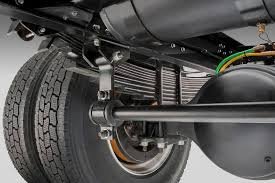
When it comes to towing, the durability and performance of your vehicle’s leaf springs are crucial. Leaf springs are an essential component of your vehicle’s suspension system, especially when you’re hauling heavy loads. They help distribute the weight evenly, provide stability, and ensure a smooth ride. However, like any other part of your vehicle, leaf springs require regular maintenance to function optimally and last longer.
At Tow Expert, we understand the importance of maintaining your leaf springs for towing durability. In this comprehensive guide, we’ll share top tips to help you keep your leaf springs in excellent condition, ensuring your towing experience is safe and efficient.
Understanding Leaf Springs and Their Role in Towing
Leaf springs are one of the oldest forms of suspension systems, dating back to the early days of horse-drawn carriages. They consist of several layers of metal strips (leaves) stacked on top of each other, bound together by a central bolt. The top leaf, known as the main leaf, has eyes at both ends that attach to the vehicle’s frame, while the other leaves gradually decrease in length.
In towing applications, leaf springs play a vital role in:
- Weight Distribution: They help distribute the weight of the load evenly across the vehicle’s axles, preventing excessive strain on any single point.
- Stability: Leaf springs provide stability by reducing body roll and sway, especially when navigating corners or uneven terrain.
- Shock Absorption: They absorb shocks and vibrations from the road, ensuring a smoother ride for both the driver and the cargo.
Given their importance, it’s essential to maintain your leaf springs to ensure they perform optimally and last longer.
Signs of Worn-Out Leaf Springs
Before diving into maintenance tips, it’s crucial to recognize the signs of worn-out leaf springs. Addressing these issues early can prevent further damage and costly repairs. Here are some common signs to look out for:
- Sagging Suspension: If your vehicle’s rear end appears lower than usual, it could indicate that the leaf springs are worn out and no longer providing adequate support.
- Uneven Tire Wear: Worn-out leaf springs can cause uneven weight distribution, leading to uneven tire wear.
- Reduced Towing Capacity: If your vehicle struggles to handle the same load it used to, the leaf springs may be compromised.
- Excessive Bouncing: A bouncy ride, especially when carrying a load, is a clear sign that the leaf springs are not absorbing shocks effectively.
- Noise: Squeaking or clunking noises from the suspension system can indicate that the leaf springs need attention.
- Visible Damage: Cracks, breaks, or rust on the leaf springs are obvious signs that they need to be inspected and possibly replaced.
If you notice any of these signs, it’s essential to address the issue promptly to avoid further damage and ensure safe towing.
Top Tips to Maintain Your Leaf Springs
1. Regular Inspections
Regular inspections are the cornerstone of leaf spring maintenance. Make it a habit to inspect your leaf springs every time you perform routine vehicle maintenance or before embarking on a long towing trip. Look for signs of wear, such as cracks, breaks, or rust. Pay attention to the leaf spring eyes, where the springs attach to the vehicle’s frame, as this area is prone to wear and tear.
2. Keep Them Clean
Dirt, grime, and debris can accumulate on your leaf springs, leading to corrosion and reduced performance. Regularly clean your leaf springs with a mild detergent and water to remove any buildup. After cleaning, dry them thoroughly to prevent moisture from causing rust. For added protection, consider applying a rust inhibitor or protective coating.
3. Lubricate the Leaf Springs
Lubrication is essential to reduce friction between the leaves, ensuring smooth operation and preventing premature wear. Use a high-quality lubricant specifically designed for leaf springs. Apply the lubricant between the leaves, focusing on the areas where they make contact. Be sure to wipe off any excess lubricant to prevent dirt and debris from sticking to the springs.
4. Avoid Overloading
One of the most common causes of leaf spring failure is overloading. Exceeding your vehicle’s towing capacity puts excessive stress on the leaf springs, leading to sagging, cracking, or even breaking. Always adhere to your vehicle’s recommended towing capacity and avoid carrying loads that are too heavy for your suspension system to handle.
5. Check for Proper Alignment
Proper alignment is crucial for the longevity of your leaf springs. Misaligned leaf springs can cause uneven weight distribution, leading to premature wear and reduced towing performance. If you notice that your vehicle is pulling to one side or experiencing uneven tire wear, have the alignment checked by a professional.
6. Replace Worn-Out Bushings
Leaf spring bushings play a vital role in reducing friction and absorbing shocks. Over time, these bushings can wear out, leading to increased friction and reduced performance. Inspect the bushings regularly and replace them if they show signs of wear, such as cracking or splitting. Using high-quality replacement bushings will ensure optimal performance and longevity.
7. Use Quality Replacement Parts
If your leaf springs need to be replaced, it’s essential to use high-quality replacement parts. Cheap, low-quality leaf springs may save you money upfront, but they are more likely to fail prematurely, leading to costly repairs and potential safety hazards. Invest in reputable brands and ensure that the replacement parts are compatible with your vehicle’s make and model.
8. Monitor Suspension System
Your leaf springs are just one component of your vehicle’s suspension system. To ensure optimal performance, it’s essential to monitor the entire suspension system, including shocks, struts, and other components. A well-maintained suspension system will reduce the strain on your leaf springs, prolonging their lifespan and improving towing performance.
9. Protect from Rust and Corrosion
Rust and corrosion are the enemies of leaf springs. Exposure to moisture, road salt, and other corrosive elements can weaken the metal, leading to cracks and breaks. To protect your leaf springs, consider applying a rust inhibitor or protective coating. Additionally, avoid driving through deep water or mud, as these conditions can accelerate corrosion.
10. Seek Professional Help
While regular maintenance can go a long way in preserving your leaf springs, some tasks are best left to professionals. If you’re unsure about the condition of your leaf springs or need assistance with repairs or replacements, don’t hesitate to seek help from a qualified mechanic or towing expert. They have the knowledge and tools to diagnose and address any issues, ensuring your leaf springs are in top condition.
Common Mistakes to Avoid
When it comes to maintaining your leaf springs, there are several common mistakes that can lead to premature wear and reduced performance. Here are some pitfalls to avoid:
- Neglecting Regular Inspections: Failing to inspect your leaf springs regularly can lead to undetected issues that worsen over time.
- Using the Wrong Lubricant: Not all lubricants are suitable for leaf springs. Using the wrong type can lead to increased friction and wear.
- Ignoring Weight Limits: Overloading your vehicle is a surefire way to damage your leaf springs and compromise your safety.
- Delaying Repairs: Ignoring signs of wear or damage can lead to more extensive and costly repairs down the line.
- Using Low-Quality Parts: Cutting corners with cheap replacement parts can result in poor performance and frequent failures.
By avoiding these common mistakes, you can ensure that your leaf springs remain in excellent condition, providing reliable performance for years to come.
Conclusion
Maintaining your leaf springs is essential for ensuring the durability and performance of your vehicle, especially when towing heavy loads. By following the top tips outlined in this guide, you can keep your leaf springs in excellent condition, prolong their lifespan, and enjoy a safe and smooth towing experience.
At Tow Expert, we’re committed to helping you get the most out of your towing equipment. Whether you need advice on maintenance, repairs, or replacements, our team of experts is here to assist you. Remember, regular inspections, proper lubrication, and avoiding overloading are key to maintaining your leaf springs and ensuring they perform optimally for years to come.
By taking the time to care for your leaf springs, you’ll not only enhance your towing experience but also protect your investment and ensure the safety of yourself and others on the road. Happy towing.
FAQs
Q1: How often should I inspect my leaf springs?
A: It’s recommended to inspect your leaf springs every time you perform routine vehicle maintenance or before embarking on a long towing trip. Regular inspections help identify issues early and prevent further damage.
Q2: Can I lubricate my leaf springs myself?
A: Yes, you can lubricate your leaf springs yourself. Use a high-quality lubricant designed for leaf springs and apply it between the leaves. Be sure to wipe off any excess lubricant to prevent dirt and debris from sticking to the springs.
Q3: What should I do if I notice sagging in my leaf springs?
A: If you notice sagging in your leaf springs, it’s essential to address the issue promptly. Sagging can indicate worn-out or damaged leaf springs, which may need to be replaced. Consult a professional for a thorough inspection and appropriate repairs.
Q4: How can I prevent rust and corrosion on my leaf springs?
A: To prevent rust and corrosion, regularly clean your leaf springs and apply a rust inhibitor or protective coating. Avoid driving through deep water or mud, as these conditions can accelerate corrosion.
Q5: Can I replace my leaf springs myself?
A: While it’s possible to replace leaf springs yourself, it’s a complex task that requires specialized tools and knowledge. If you’re not confident in your abilities, it’s best to seek help from a qualified mechanic or towing expert.