When it comes to towing, the performance of your vehicle is heavily influenced by its transmission system. One of the most critical components of an automatic transmission is the torque converter. This unsung hero plays a vital role in ensuring smooth power delivery, especially when hauling heavy loads. Understanding how a torque converter works and how it affects towing performance can help you optimize your vehicle for better efficiency, durability, and safety.
At Tow Expert, we’re passionate about helping you get the most out of your towing experience. In this comprehensive guide, we’ll dive deep into the basics of torque converters, their role in towing, and how you can ensure they’re working at their best. Whether you’re a seasoned tower or a beginner, this guide will equip you with the knowledge you need to make informed decisions about your vehicle’s performance.
What is a Torque Converter?
A torque converter is a fluid coupling device found in vehicles with automatic transmissions. It sits between the engine and the transmission and serves as the bridge that transfers engine power to the transmission and, ultimately, to the wheels. Unlike a manual clutch in manual transmissions, a torque converter uses hydraulic fluid to transmit power, allowing for smooth and seamless gear changes.
The torque converter is especially important in towing applications because it helps manage the additional strain placed on the vehicle when hauling heavy loads. It ensures that power is delivered efficiently, reducing the risk of engine stalling or transmission damage.
How Does a Torque Converter Work?
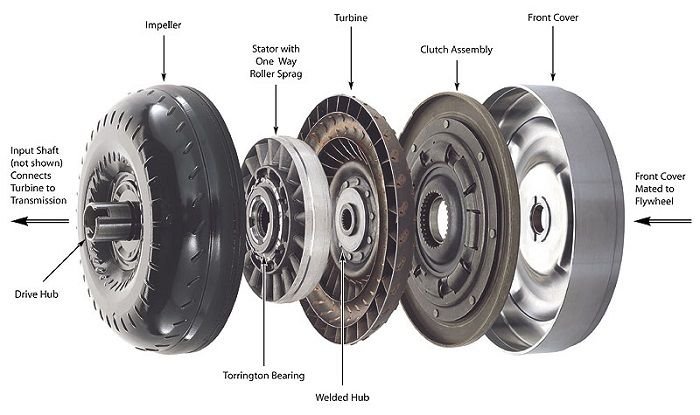
To understand how a torque converter affects towing performance, it’s essential to break down its components and their functions:
– The Impeller
The impeller, also known as the pump, is connected to the engine’s crankshaft. As the engine runs, the impeller spins, creating a flow of transmission fluid. This fluid is directed toward the turbine, initiating the power transfer process.
– The Turbine
The turbine is connected to the transmission’s input shaft. When the fluid from the impeller hits the turbine, it causes the turbine to spin, transferring power to the transmission. The turbine’s design ensures that power is delivered smoothly, even under heavy loads.
– The Stator
The stator sits between the impeller and the turbine. Its primary role is to redirect the fluid returning from the turbine back to the impeller, increasing efficiency and torque multiplication. The stator is equipped with a one-way clutch that allows it to spin freely in one direction and lock in the other, ensuring optimal fluid flow.
– The Lock-Up Clutch
Modern torque converters often include a lock-up clutch. This component locks the impeller and turbine together at higher speeds, eliminating slippage and improving fuel efficiency. The lock-up clutch is particularly useful during highway driving or when towing at consistent speeds.
Why is a Torque Converter Important for Towing?
Towing places significant demands on your vehicle’s engine and transmission. Here’s why the torque converter is a critical component for towing performance:
– Power Multiplication
A torque converter can multiply the engine’s torque output, providing the extra power needed to get heavy loads moving. This is especially useful when starting from a stop or climbing steep inclines.
– Smooth Power Delivery
The hydraulic fluid in the torque converter ensures that power is delivered smoothly, reducing jerks and jolts that can occur when towing. This not only improves driving comfort but also protects the transmission from sudden shocks.
– Heat Dissipation
Towing generates a lot of heat, which can damage the transmission if not managed properly. The torque converter helps dissipate this heat by circulating transmission fluid, keeping the system cool and functioning efficiently.
– Reduced Wear and Tear
By absorbing and managing the additional strain of towing, the torque converter reduces wear and tear on the engine and transmission. This extends the lifespan of these components and minimizes the risk of costly repairs.
How Torque Converters Affect Towing Performance
The performance of your torque converter directly impacts your vehicle’s towing capabilities. Here’s how:
– Towing Capacity
A well-functioning torque converter ensures that your vehicle can handle its maximum towing capacity without straining the engine or transmission. If the torque converter is faulty, you may experience reduced towing capacity and poor performance.
– Fuel Efficiency
While torque converters are designed to improve power delivery, they can also affect fuel efficiency. A slipping or inefficient torque converter can cause the engine to work harder, leading to increased fuel consumption. Regular maintenance and upgrades can help optimize fuel efficiency.
– Transmission Longevity
The torque converter plays a key role in protecting the transmission from the stresses of towing. A failing torque converter can lead to transmission damage, resulting in expensive repairs or replacements.
– Driving Comfort
A smooth and responsive torque converter enhances driving comfort, especially when towing. It ensures that gear changes are seamless and that the vehicle responds predictably to throttle inputs.
Signs of a Failing Torque Converter
Recognizing the signs of a failing torque converter can help you address issues before they escalate. Here are some common symptoms to watch out for:
– Slipping Transmission
If your vehicle struggles to maintain speed or feels like it’s slipping out of gear, it could indicate a problem with the torque converter.
– Overheating
Excessive heat is a common issue with failing torque converters. If you notice your transmission temperature gauge rising, it’s time to inspect the torque converter.
– Shuddering or Vibrations
Shuddering or vibrations during acceleration can be a sign that the torque converter is not functioning properly.
– Unusual Noises
Grinding, whining, or clunking noises coming from the transmission area may indicate a problem with the torque converter.
– Fluid Leaks
Transmission fluid leaks are a clear sign that something is wrong. Check the torque converter and surrounding components for damage.
Tips to Maintain Your Torque Converter for Optimal Towing Performance
Proper maintenance is key to ensuring your torque converter performs at its best. Here are some tips to keep it in top condition:
– Regular Fluid Checks and Changes
Transmission fluid is the lifeblood of the torque converter. Regularly check the fluid level and condition, and change it as recommended by your vehicle’s manufacturer.
– Monitor Transmission Temperature
Keep an eye on your transmission temperature gauge, especially when towing. Overheating can damage the torque converter and other transmission components.
– Avoid Overloading
Exceeding your vehicle’s towing capacity puts unnecessary strain on the torque converter and transmission. Always adhere to the recommended limits.
– Use the Right Transmission Fluid
Using the correct type of transmission fluid is crucial for the torque converter’s performance. Refer to your owner’s manual for the recommended fluid.
– Inspect for Leaks and Damage
Regularly inspect the torque converter and surrounding components for leaks, cracks, or other signs of damage.
– Upgrade to a High-Performance Torque Converter
If you frequently tow heavy loads, consider upgrading to a high-performance torque converter designed for towing applications. These converters are built to handle higher stress levels and provide better performance.
Common Myths About Torque Converters
There are several misconceptions about torque converters that can lead to confusion. Let’s debunk some of the most common myths:
– Myth 1: Torque Converters Reduce Fuel Efficiency
While older torque converters could reduce fuel efficiency, modern designs, especially those with lock-up clutches, are highly efficient and can improve fuel economy.
– Myth 2: Torque Converters Are Only for Automatic Transmissions
While torque converters are most commonly found in automatic transmissions, they can also be used in certain manual transmission applications.
– Myth 3: All Torque Converters Are the Same
Torque converters come in various designs and specifications. Choosing the right one for your vehicle and towing needs is essential for optimal performance.
Conclusion
The torque converter is a vital component of your vehicle’s transmission system, especially when it comes to towing. By understanding how it works and how it affects towing performance, you can take steps to ensure it operates at its best. Regular maintenance, proper fluid management, and avoiding overloading are key to maximizing the lifespan and efficiency of your torque converter.
At Tow Expert, we’re here to help you make the most of your towing experience. Whether you need advice on maintaining your torque converter or are looking for high-performance upgrades, our team of experts is ready to assist. Visit us for more tips, products, and services tailored to your towing needs.
FAQs About Torque Converters and Towing
Q1: Can I tow without a torque converter?
A: No, a torque converter is essential for vehicles with automatic transmissions. It ensures smooth power delivery and protects the transmission from damage.
Q2: How often should I change my transmission fluid?
A: It depends on your vehicle and driving conditions. Generally, it’s recommended to change the transmission fluid every 30,000 to 60,000 miles.
Q3: Can a failing torque converter damage my transmission?
A: Yes, a failing torque converter can cause excessive heat and strain, leading to transmission damage.
Q4: What’s the difference between a standard and a high-performance torque converter?
A: High-performance torque converters are designed to handle higher stress levels and provide better power delivery, making them ideal for towing.