Towing is more than just hitching a trailer to your vehicle and hitting the road—it’s a symphony of mechanical and electrical harmony. At Tow Expert, we’ve seen countless drivers in Adelaide and beyond underestimate the strain towing puts on a vehicle’s electrical system. Whether you’re hauling a caravan for a weekend getaway or transporting heavy machinery for work, an unprepared electrical setup can lead to dimming lights, drained batteries, or even complete system failure. Upgrading your vehicle’s electrical system isn’t just a luxury—it’s a necessity for safe, reliable towing.
In this comprehensive guide, we’ll walk you through everything you need to know about enhancing your vehicle’s electrical system for towing. From understanding the basics to step-by-step upgrades, we’ve got you covered with expert advice tailored for Australian conditions. Let’s power up your towing game!
Why Your Vehicle’s Electrical System Matters for Towing
Towing demands more from your vehicle than everyday driving. Your alternator, battery, wiring, and auxiliary components must work harder to support the added load of a trailer—especially if it’s equipped with electric brakes, lights, or refrigeration units. A stock electrical system, designed for standard use, often struggles to keep up.
Here’s why upgrading matters:
- Safety First: Faulty wiring or an overloaded system can cause trailer lights to fail, making your rig invisible to other drivers.
- Performance Boost: A robust electrical setup ensures your vehicle runs smoothly under strain, preventing breakdowns.
- Compliance: Australian towing laws require functional trailer lighting and braking systems, which rely on a solid electrical foundation.
At Tow Expert, we’ve towed everything from 4WDs to shipping containers across Adelaide’s metro and suburbs. We’ve seen firsthand how a neglected electrical system can turn a simple tow into a roadside nightmare. Let’s dive into the upgrades that’ll keep you rolling safely.
Understanding Your Vehicle’s Electrical System: The Basics
Before you start upgrading, it’s crucial to know the key players in your vehicle’s electrical ecosystem:
- Battery: The heart of the system, storing energy to power accessories when the engine’s off.
- Alternator: The powerhouse that charges the battery and supplies electricity while the engine runs.
- Wiring: The arteries that carry power to your vehicle’s components and trailer.
- Fuse Box: The gatekeeper that protects circuits from overloads.
- Grounding Points: The unsung heroes ensuring electricity flows back to the battery efficiently.
When towing, your trailer becomes an extension of this system. It draws power for lights, brakes, and sometimes auxiliary features like winches or coolers. A weak link—like an underpowered alternator or thin wiring—can disrupt the entire chain.
Signs Your Electrical System Needs an Upgrade
Not sure if your vehicle’s ready for towing? Watch for these red flags:
- Dimming Headlights: A sign your alternator’s struggling to keep up.
- Slow Battery Recharge: If your battery takes forever to recover after towing, it’s overtaxed.
- Flickering Trailer Lights: Indicates insufficient power or poor wiring.
- Blown Fuses: Frequent fuse failures suggest your system’s overloaded.
- Overheating Components: Excessive heat from the alternator or wiring is a cry for help.
If you’ve noticed any of these, it’s time to act. At Tow Expert, we recommend a pre-towing electrical check—especially if you’re planning a long haul across South Australia’s rugged terrain.
Step-by-Step Guide to Upgrading Your Electrical System for Towing
Ready to transform your vehicle into a towing beast? Here’s how to do it, step by step.
Step 1: Assess Your Towing Needs
Every towing job is unique. Ask yourself:
- What are you towing? A lightweight camper trailer needs less juice than a heavy-duty machinery hauler.
- How far are you going? Long trips demand more consistent power.
- What features does your trailer have? Electric brakes, interior lights, or a fridge all increase electrical demand.
For example, towing a caravan to the Flinders Ranges requires a beefier setup than a short bike tow in Adelaide. Write down your requirements—this will guide your upgrades.
Step 2: Upgrade Your Battery
Your battery is the backbone of your towing setup. A standard car battery won’t cut it for heavy-duty towing. Here’s what to do:
- Switch to a Deep-Cycle Battery: Unlike starter batteries, deep-cycle models handle prolonged discharges—perfect for powering trailer accessories.
- Increase Capacity: Look for a battery with a higher amp-hour (Ah) rating. For towing, 100Ah or more is ideal.
- Add a Dual-Battery System: Install a second battery dedicated to trailer needs, isolated from your vehicle’s primary battery to avoid draining it.
Pro Tip: At Tow Expert, we’ve fitted dual-battery systems for clients towing across outback routes like the Birdsville Track. It’s a game-changer for reliability.
Step 3: Boost Your Alternator
Your alternator charges the battery and powers electrical components while driving. Towing often pushes it beyond its limits. Upgrade it like this:
- Check Your Current Output: Most stock alternators deliver 70-120 amps. Towing may require 150-200 amps.
- Install a High-Output Alternator: Look for models designed for heavy-duty use. Brands like Bosch or Denso are trusted in Australia.
- Add a Smart Charger: Pair your alternator with a DC-DC charger to optimize power distribution between batteries.
A high-output alternator ensures your system keeps pace, even with a fully loaded trailer.
Step 4: Reinforce Your Wiring
Thin or old wiring can’t handle the current towing demands. Here’s how to beef it up:
- Use Heavy-Gauge Wire: Switch to 8-gauge or thicker for trailer connections. This reduces resistance and heat buildup.
- Install a Trailer Wiring Harness: A dedicated harness connects your vehicle to the trailer’s electrical system cleanly and safely.
- Check Grounding: Ensure all grounding points are clean, tight, and corrosion-free for a solid return path.
Tow Expert Insight: We’ve seen melted wires from undersized setups during emergency tows. Don’t skimp here—it’s a small investment for big peace of mind.
Step 5: Add a Brake Controller
If your trailer has electric brakes (mandatory for loads over 750kg in Australia), a brake controller is non-negotiable. Here’s why it’s an electrical upgrade:
- Power Management: It draws current to activate the trailer’s brakes, syncing them with your vehicle.
- Safety: Ensures smooth, controlled stops, especially on steep descents like those in the Adelaide Hills.
Choose a proportional controller for smoother braking over a time-delayed model. Mount it securely and wire it through your upgraded system.
Step 6: Install Auxiliary Power Outlets
Need to power a fridge, winch, or campsite lights? Add auxiliary outlets:
- 12V Sockets: Mount them in your vehicle or trailer for easy access.
- Anderson Plugs: These high-current connectors are perfect for heavy-duty accessories and common in Aussie towing setups.
- Solar Integration: Pair outlets with a portable solar panel for off-grid towing adventures.
This upgrade keeps your trailer self-sufficient, reducing strain on your vehicle’s primary system.
Step 7: Protect Your System with Fuses and Relays
Overloads can fry your setup. Safeguard it with:
- Heavy-Duty Fuses: Match fuse ratings to your wiring and components (e.g., 30A for lights, 50A for brakes).
- Relays: Use them to isolate high-draw accessories, preventing battery drain when the engine’s off.
- Circuit Breakers: For critical systems like brakes, a resettable breaker adds convenience.
At Tow Expert, we’ve recovered vehicles with burnt-out electrics due to missing fuses. Protect your investment—it’s cheap insurance.
Step 8: Test and Fine-Tune
Once upgraded, test your system:
- Load Test: Hook up your trailer and check voltage at the battery and trailer plug (aim for 12.6V+).
- Road Test: Drive with the trailer to ensure lights, brakes, and accessories work flawlessly.
- Monitor Heat: Feel wiring and components after a short tow—excessive heat signals a problem.
Fine-tune connections or consult a professional if anything’s off. Our team at Tow Expert offers diagnostics if you’re in Adelaide.
Top Electrical Upgrades for Specific Towing Scenarios
Different towing jobs need tailored solutions. Here’s what we recommend based on Tow Expert’s experience:
1. Caravanning Across Australia
- Dual-Battery System: Keeps your fridge and lights running off-grid.
- Solar Panels: Charges batteries during daylight stops.
- High-Output Alternator: Handles long-distance power demands.
2. Heavy Machinery Transport
- Thick Wiring: Supports high-current brake controllers.
- Circuit Breakers: Protects against sudden surges.
- Auxiliary Outlets: Powers winches or hydraulic lifts.
3. Weekend Bike Hauls
- Basic Harness: Sufficient for light trailers with minimal draw.
- Smart Charger: Ensures quick battery recovery.
- 12V Socket: Handy for small accessories.
Common Mistakes to Avoid When Upgrading
Even seasoned DIYers slip up. Steer clear of these pitfalls:
- ** undersizing Components**: A 70Ah battery won’t cut it for a 2-tonne trailer.
- Skipping Grounding Checks: Poor grounds cause mysterious failures.
- Overloading the Alternator: Too many accessories without an upgrade spells trouble.
- Ignoring Legal Specs: Non-compliant wiring or brakes can land you fines in Australia.
At Tow Expert, we’ve towed vehicles sidelined by these errors. Do it right the first time.
How Tow Expert Can Help
Based in Adelaide, Tow Expert isn’t just about towing—we’re your partners in preparation. Our 24/7 service includes:
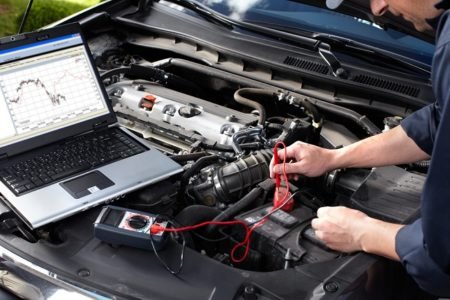
- Electrical Diagnostics: We’ll assess your system and recommend upgrades.
- Emergency Recovery: If your electrics fail mid-tow, we’ll get you back on track.
- Custom Solutions: From wiring to battery installs, we tailor upgrades to your needs.
Call us at 045-6262-486 or visit towexpert.com.au to book a consultation. Whether you’re in the city or the outback, we’ve got your back.
The Australian Advantage: Why Local Conditions Matter
Towing in Australia isn’t like anywhere else. Our harsh sun, dusty roads, and long distances demand more from your electrical system:
- Heat Resistance: Components must withstand 40°C+ summers.
- Dust Protection: Sealed wiring and connectors prevent corrosion.
- Distance Readiness: Extra battery capacity covers remote stretches without power.
Your upgrades should reflect these realities. At Tow Expert, we’ve built our expertise around South Australia’s unique challenges.
Cost Breakdown: What to Expect
Upgrading doesn’t have to break the bank. Here’s a rough guide:
- Deep-Cycle Battery: $200–$400
- High-Output Alternator: $300–$600
- Wiring Harness: $50–$150
- Brake Controller: $100–$300
- Fuses/Relays: $20–$50
- Professional Installation: $200–$500 (optional)
Total cost? Around $800–$2,000, depending on your setup. Compare that to the price of a breakdown—or a fine—and it’s a no-brainer.
Conclusion: Power Up with Confidence
Upgrading your vehicle’s electrical system for towing isn’t just about adding parts—it’s about building a reliable, safe, and efficient setup for the road ahead. Whether you’re exploring South Australia’s outback or hauling gear around Adelaide, a well-prepared system makes all the difference.
At Tow Expert, we’re here to guide you every step of the way. From DIY tips to professional installs, we’ve got the expertise to keep you towing strong. Ready to get started? Contact us at towexpert.com.au or call 045-6262-486 for a quote. Let’s electrify your towing adventures—safely and smartly!
FAQs: Your Towing Electrical Questions Answered
Q: Can I tow without upgrading my electrical system?
A: For light loads under 750kg with no brakes, maybe. Anything heavier needs upgrades for safety and compliance.
Q: How do I know if my alternator’s strong enough?
A: Check its amp rating against your towing demands. If it’s below 150A and you’re towing heavy, upgrade it.
Q: Will upgrades void my warranty?
A: Not if done professionally and with compliant parts. Check with your manufacturer.
Q: How often should I check my system?
A: Before every major tow, or annually if you tow regularly.