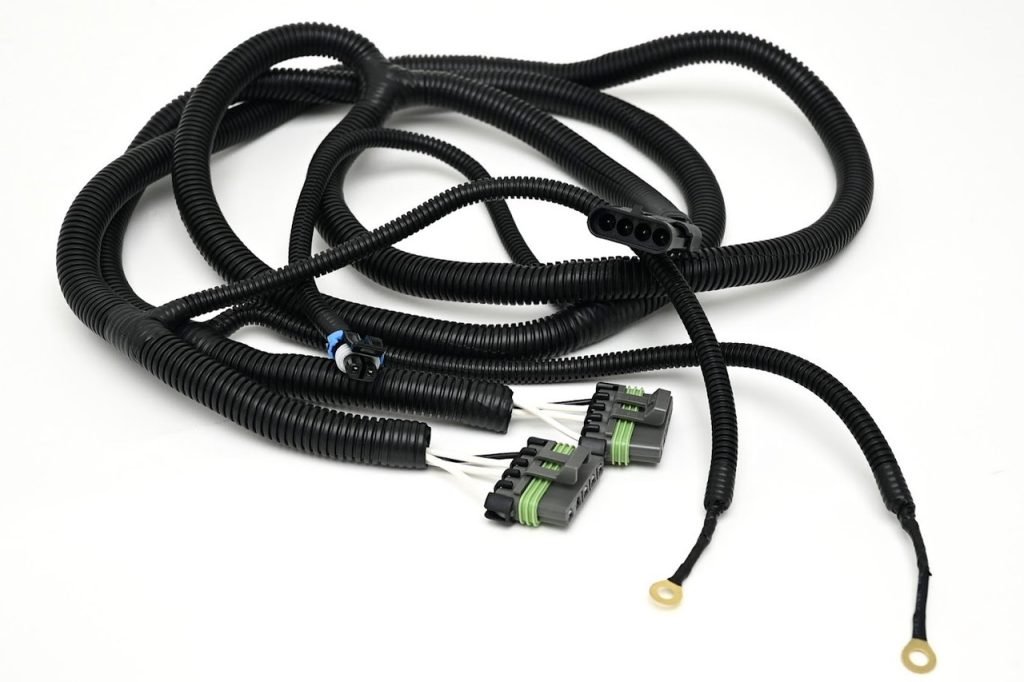
When it comes to towing, safety is paramount. Whether you’re hauling a caravan, boat, or trailer, ensuring your brake lights are functioning correctly is not just a legal requirement—it’s a critical component of road safety. Brake light wiring kits play a vital role in connecting your vehicle’s braking system to your trailer or caravan, ensuring that your brake lights, indicators, and tail lights work seamlessly.
At Tow Expert, we understand the importance of having the right equipment for safe towing. In this comprehensive guide, we’ll walk you through everything you need to know about brake light wiring kits, including how to choose the right one, installation tips, and why investing in a quality kit is essential for every towing enthusiast.
Why Brake Light Wiring Kits Are Essential for Towing
Brake light wiring kits are designed to ensure that your trailer or caravan’s lighting system is synchronized with your vehicle’s braking system. This synchronization is crucial for several reasons:
- Safety: Properly functioning brake lights alert other drivers when you’re slowing down or stopping, reducing the risk of rear-end collisions.
- Legal Compliance: In Australia, it’s a legal requirement to have working brake lights on your trailer or caravan. Failure to comply can result in fines or even accidents.
- Convenience: A well-installed wiring kit ensures that your trailer lights work seamlessly with your vehicle, making towing safer and more efficient.
Without a reliable brake light wiring kit, you risk compromising your safety and that of other road users.
Types of Brake Light Wiring Kits
Not all brake light wiring kits are created equal. Depending on your vehicle, trailer, and towing needs, you’ll need to choose the right type of wiring kit. Here are the most common types available:
1. 4-Pin Wiring Kits
4-pin wiring kits are the most basic and commonly used for small trailers and caravans. They typically include connections for:
- Tail lights
- Left and right indicators
- Brake lights
These kits are ideal for lightweight towing and are easy to install. However, they don’t support additional features like electric brakes or reverse lights.
2. 5-Pin Wiring Kits
5-pin wiring kits are a step up from 4-pin kits and include an additional wire for reverse lights. This is particularly useful if your trailer or caravan has reverse lights that need to be activated when you’re backing up.
3. 7-Pin Wiring Kits
7-pin wiring kits are the most versatile and are suitable for larger trailers and caravans. They include connections for:
- Tail lights
- Left and right indicators
- Brake lights
- Reverse lights
- Electric brakes
- Auxiliary power
These kits are ideal for heavy-duty towing and provide all the necessary connections for a safe and efficient towing experience.
4. Vehicle-Specific Wiring Kits
Some vehicles require specialized wiring kits that are designed to integrate seamlessly with their electrical systems. These kits are often plug-and-play, making installation quick and hassle-free.
How to Choose the Right Brake Light Wiring Kit
Choosing the right brake light wiring kit can be overwhelming, especially with so many options available. Here are some key factors to consider:
1. Towing Capacity
The size and weight of your trailer or caravan will determine the type of wiring kit you need. For lightweight towing, a 4-pin or 5-pin kit may suffice. For heavier loads, a 7-pin kit is recommended.
2. Compatibility
Ensure that the wiring kit is compatible with your vehicle’s make and model. Some vehicles require specific wiring kits to avoid damaging the electrical system.
3. Durability
Look for wiring kits made from high-quality materials that can withstand harsh weather conditions and frequent use. Corrosion-resistant connectors and waterproof seals are a must.
4. Ease of Installation
If you’re not confident in your DIY skills, opt for a plug-and-play kit that’s easy to install. Some kits come with detailed instructions or even video tutorials to guide you through the process.
5. Additional Features
Consider whether you need additional features like electric brake compatibility, reverse light connections or auxiliary power.
Step-by-Step Guide to Installing a Brake Light Wiring Kit
Installing a brake light wiring kit may seem daunting, but with the right tools and instructions, it’s a straightforward process. Here’s a step-by-step guide to help you get started:
Tools You’ll Need:
- Screwdrivers
- Wire strippers
- Electrical tape
- Cable ties
- Multimeter (optional)
Step 1: Gather Your Materials
Before you begin, ensure you have all the necessary tools and materials. Double-check that the wiring kit is compatible with your vehicle and trailer.
Step 2: Locate the Vehicle’s Wiring Harness
Most vehicles have a pre-installed wiring harness near the rear bumper. This is where you’ll connect the wiring kit.
Step 3: Connect the Wiring Kit
Follow the instructions provided with your wiring kit to connect the wires to the corresponding terminals. Use a multimeter to test the connections and ensure they’re working correctly.
Step 4: Secure the Wires
Use cable ties to secure the wires and prevent them from dangling or getting caught in moving parts.
Step 5: Test the Lights
Once the installation is complete, test the brake lights, indicators, and tail lights to ensure they’re functioning correctly.
Step 6: Waterproof the Connections
Use electrical tape or heat shrink tubing to waterproof the connections and protect them from moisture and corrosion.
Common Mistakes to Avoid
Even with the best intentions, it’s easy to make mistakes when installing a brake light wiring kit. Here are some common pitfalls to avoid:
- Incorrect Wiring: Double-check the wiring diagram to ensure you’re connecting the right wires. Incorrect wiring can damage your vehicle’s electrical system.
- Poor Connections: Loose or corroded connections can cause the lights to malfunction. Always use high-quality connectors and secure them properly.
- Skipping the Test: Never skip testing the lights after installation. This step ensures everything is working as it should.
- Ignoring Waterproofing: Failing to waterproof the connections can lead to corrosion and electrical failures over time.
Why Choose Tow Expert for Your Brake Light Wiring Kits?
At Tow Expert, we’re passionate about providing high-quality towing equipment that meets the needs of Australian drivers. Here’s why you should choose us for your brake light wiring kits:
- Wide Range of Products: We offer a comprehensive selection of wiring kits to suit all types of vehicles and trailers.
- Expert Advice: Our team of towing experts is always on hand to help you choose the right kit for your needs.
- Quality Assurance: All our products are made from durable materials and are designed to withstand the rigors of towing.
- Competitive Prices: We believe in offering high-quality products at affordable prices.
Conclusion
Investing in a high-quality brake light wiring kit is one of the most important steps you can take to ensure safe and efficient towing. Whether you’re a seasoned towing enthusiast or a beginner, having the right equipment can make all the difference.
At Tow Expert, we’re committed to helping you find the perfect brake light wiring kit for your needs. With our wide range of products, expert advice, and competitive prices, you can tow with confidence knowing you’re in good hands.
Ready to upgrade your towing setup? Visit Tow Expert today to explore our range of brake light wiring kits and other towing essentials.
Frequently Asked Questions
1. Do I need a brake light wiring kit for my trailer?
Yes, a brake light wiring kit is essential for ensuring your trailer’s lights are synchronized with your vehicle’s braking system.
2. Can I install a brake light wiring kit myself?
Yes, most wiring kits come with detailed instructions and are designed for easy installation. However, if you’re unsure, it’s best to consult a professional.
3. How do I know which wiring kit is compatible with my vehicle?
Check your vehicle’s manual or consult with a towing expert to determine the right wiring kit for your needs.
4. What’s the difference between a 4-pin and 7-pin wiring kit?
A 4-pin kit is suitable for basic lighting needs, while a 7-pin kit supports additional features like electric brakes and reverse lights.