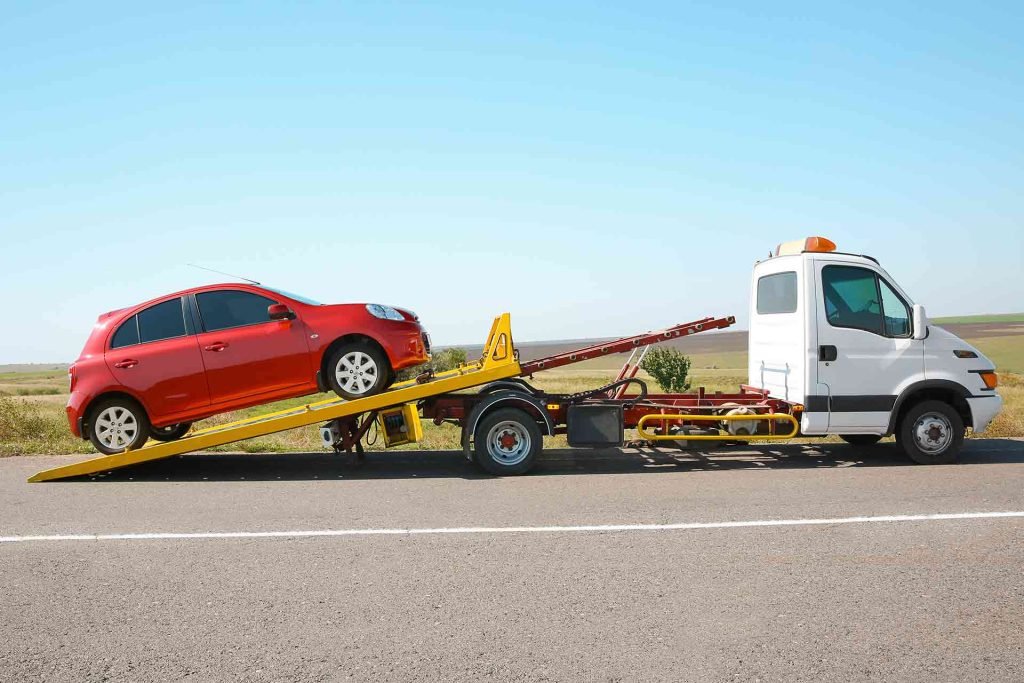
Towing a trailer, caravan, or boat can transform a simple road trip into an adventure or a productive workday. However, nothing kills the excitement—or delays a job—faster than electrical problems. From flickering lights to complete trailer power failure, electrical issues are among the most common headaches for tow vehicle owners. At Tow Expert, we’ve seen it all, and we’re here to help you understand these problems, troubleshoot them effectively, and get back on the road safely.
In this comprehensive guide, we’ll dive into the most frequent electrical problems when towing, explain why they happen, and provide practical solutions you can apply—whether you’re a weekend adventurer or a professional tower in Australia. Let’s power up your towing knowledge and ensure your next haul is smooth and stress-free.
Why Electrical Problems Are a Big Deal When Towing
Before we jump into the specifics, let’s talk about why electrical systems matter so much when towing. Your tow vehicle and trailer rely on a complex network of wiring, connectors, and circuits to communicate. This system powers everything from brake lights and turn signals to auxiliary features like electric brakes or interior caravan lights. A single fault can compromise safety, legality, and functionality.
In Australia, where road conditions vary from dusty outback tracks to coastal highways, electrical issues can be exacerbated by weather, vibration, and wear. Ignoring these problems isn’t an option—faulty lights or brakes could land you a fine or, worse, cause an accident. Let’s explore the top electrical problems and how to fix them.
Table of Contents
- Flickering or Dim Trailer Lights (#1-flickering-or-dim-trailer-lights)
- Complete Loss of Trailer Lights (#2-complete-loss-of-trailer-lights)
- Faulty Electric Brakes (#3-faulty-electric-brakes)
- Blown Fuses in the Tow Vehicle (#4-blown-fuses-in-the-tow-vehicle)
- Corrosion in Connectors (#5-corrosion-in-connectors)
- Overloaded Circuits (#6-overloaded-circuits)
- Grounding Issues (#7-grounding-issues)
- Incompatible Wiring Systems (#8-incompatible-wiring-systems)
- Battery Drain While Towing (#9-battery-drain-while-towing)
- Preventative Tips for Electrical Towing Problems (#10-preventative-tips-for-electrical-towing-problems)
- When to Call the Experts at Tow Expert (#11-when-to-call-the-experts-at-tow-expert)
1. Flickering or Dim Trailer Lights
The Problem
You’re cruising down the Bruce Highway, and suddenly your trailer’s lights start flickering like a disco ball—or they’re so dim they’re barely visible. This isn’t just annoying; it’s a safety hazard, especially at night or in poor weather.
Why It Happens
Flickering or dim lights usually stem from:
- Loose connections: Vibration from towing shakes wires loose.
- Poor grounding: The trailer’s electrical system isn’t completing its circuit properly.
- Voltage drop: Long wiring runs or undersized cables sap power before it reaches the lights.
How to Solve It
- Check the Plug: Inspect the trailer plug and tow vehicle socket for loose pins or dirt. Clean with electrical contact cleaner if needed.
- Test Grounding: Ensure the ground wire (usually white) is securely attached to the trailer frame. Sand down any rust or paint for a solid connection.
- Upgrade Wiring: If the lights are dim over long distances, consider thicker gauge wire to reduce voltage drop.
- Use LED Lights: Swap incandescent bulbs for LEDs—they draw less power and are less prone to dimming.
Pro Tip: Carry a multimeter to test voltage at the lights. It should read close to 12 volts with the engine running.
2. Complete Loss of Trailer Lights
The Problem
You connect your trailer, flip on the headlights, and… nothing. No tail lights, no indicators, no brake lights. You’re now invisible to other drivers—a recipe for disaster.
Why It Happens
- Disconnected plug: The trailer harness isn’t fully seated.
- Blown fuse: A short circuit in the tow vehicle or trailer has popped a fuse.
- Broken wiring: A wire has frayed or snapped due to wear or rodent damage.
How to Solve It
- Inspect the Connection: Unplug and replug the trailer harness. Listen for a click to ensure it’s secure.
- Check Fuses: Look in your tow vehicle’s fuse box (consult the manual) for a blown towing fuse. Replace it with the same amperage.
- Trace the Wiring: Use a circuit tester to find the break. Start at the plug and work toward the lights, repairing or replacing damaged sections.
Tow Expert Advice: If you’re on the road, carry spare fuses and a basic wiring repair kit—electrical tape, connectors, and wire strippers can save the day.
3. Faulty Electric Brakes
The Problem
Electric brakes are essential for heavy trailers, but when they fail to engage—or worse, lock up—you’re in for a wild ride. You might notice sluggish braking or hear strange noises from the trailer.
Why It Happens
- Worn brake magnets: Over time, these wear out and lose effectiveness.
- Faulty brake controller: The tow vehicle’s controller isn’t sending the right signal.
- Short circuits: Water or corrosion damages the brake wiring.
How to Solve It
- Test the Controller: Adjust the gain on your brake controller and test on a quiet road. If there’s no response, it may need replacing.
- Inspect Magnets: Jack up the trailer and spin the wheel. If the magnets don’t hum or the wheel spins freely, they’re worn—replace them.
- Seal Wiring: Use waterproof connectors and dielectric grease to protect brake wiring from moisture.
Safety Note: Faulty brakes are non-negotiable. If you’re unsure, visit Tow Expert for a professional inspection.
4. Blown Fuses in the Tow Vehicle
The Problem
You hook up your trailer, and suddenly your tow vehicle’s dash lights dim, or accessories stop working. The culprit? A blown fuse caused by the trailer’s electrical demand.
Why It Happens
- Overcurrent: The trailer draws more power than the vehicle’s circuit can handle.
- Short circuit: Exposed wires touch metal, causing a surge.
- Old fuses: Aging fuses fail under towing stress.
How to Solve It
- Locate the Fuse Box: Check your vehicle manual—towing circuits often have dedicated fuses.
- Replace the Fuse: Use the correct amperage (e.g., 15A or 20A). Never use a higher-rated fuse—it risks wiring damage.
- Find the Cause: Test the trailer’s wiring for shorts with a multimeter before reconnecting.
Quick Fix: Keep a fuse puller and assorted fuses in your glovebox for roadside repairs.
5. Corrosion in Connectors
The Problem
Living near Australia’s coast or towing through wet conditions? Corrosion can turn your trailer plug into a green, crusty mess, disrupting power flow.
Why It Happens
- Moisture exposure: Rain, saltwater, or humidity seeps into connectors.
- Neglect: Plugs left dirty or unprotected corrode faster.
How to Solve It
- Clean It Up: Use a wire brush and contact cleaner to remove corrosion. Rinse with fresh water if saltwater is involved.
- Apply Grease: Coat pins with dielectric grease to repel water.
- Upgrade Connectors: Switch to weatherproof plugs with rubber seals for long-term protection.
Tow Expert Tip: Store your trailer plug in a sealed bag when not in use to keep it pristine.
6. Overloaded Circuits
The Problem
Your trailer’s loaded with extra lights, a fridge, and a sound system, but now the tow vehicle struggles to keep up—lights dim, and fuses blow.
Why It Happens
- Excessive load: Too many accessories overwhelm the system.
- Undersized wiring: Thin wires can’t handle the current.
How to Solve It
- Assess Power Draw: List all trailer accessories and their wattage. Compare to your vehicle’s towing capacity (check the manual).
- Add a Battery: Install a deep-cycle battery on the trailer to power extras, charged via the tow vehicle or solar.
- Rewire: Upgrade to heavier-gauge wire and a higher-capacity fuse if needed.
Pro Insight: Balance is key—don’t overload your tow vehicle’s alternator.
7. Grounding Issues
The Problem
Lights work intermittently, brakes act funky, or nothing works at all. Grounding issues are sneaky culprits in towing electrical woes.
Why It Happens
- Loose ground: The ground wire detaches from the trailer frame.
- Rust: Corrosion blocks the circuit’s path to ground.
How to Solve It
- Locate Grounds: Check all ground points—usually a white wire bolted to the frame.
- Clean Contacts: Sand off rust and secure with a star washer for a firm connection.
- Test Continuity: Use a multimeter to ensure the ground completes the circuit.
DIY Hack: Add an extra ground wire from the trailer to the tow vehicle for redundancy.
8. Incompatible Wiring Systems
The Problem
You’ve borrowed a mate’s trailer, but the lights don’t match up—left blinker flashes right, or nothing works. Wiring mismatches are common with mixed fleets.
Why It Happens
- Plug mismatch: 7-pin flat vs. 7-pin round, or different pin assignments.
- Adapter issues: Cheap adapters scramble the signals.
How to Solve It
- Match Plugs: Confirm your tow vehicle and trailer use the same plug type (e.g., Australian 7-pin flat).
- Use Quality Adapters: Invest in a reputable converter if needed.
- Rewire if Necessary: Standardize wiring colors and pin functions (e.g., yellow for left turn, green for right).
Tow Expert Solution: Unsure about compatibility? Our team can rewire your setup for seamless towing.
9. Battery Drain While Towing
The Problem
Your tow vehicle’s battery dies mid-trip, even with the engine running. Towing shouldn’t drain your battery, so what’s going on?
Why It Happens
- Parasitic draw: Trailer accessories pull power when the vehicle’s off.
- Weak alternator: It can’t keep up with the combined demand.
How to Solve It
- Install a Cut-Off Switch: Disconnect the trailer battery when parked.
- Check Charging: Ensure the tow vehicle charges the trailer battery via the auxiliary pin.
- Upgrade Alternator: For heavy towing, a high-output alternator prevents drain.
Roadside Tip: Jump-start packs are a lifesaver—keep one charged in your cab.
10. Preventative Tips for Electrical Towing Problems
Prevention beats roadside repairs any day. Here’s how to stay ahead of electrical issues:
- Inspect Regularly: Check wiring, plugs, and lights before every trip.
- Use Quality Parts: Cheap connectors fail fast opt for marine-grade or OEM components.
- Protect from Weather: Seal exposed wiring and store plugs properly.
- Test Before You Go: Hook up the trailer and run through all functions, lights, brakes, everything.
- Carry Spares: Fuses, bulbs, and tools should live in your tow kit.
11. When to Call the Experts at Tow Expert
Some electrical gremlins need professional taming. If you’ve tried the fixes above and still face issues or if rewiring feels daunting—Tow Expert is your go-to solution. Based in Australia, we specialize in:
- Custom trailer wiring installations
- Brake controller setups
- Electrical diagnostics and repairs
Visit towexpert.com.au or call us to schedule a service. Don’t let electrical problems derail your towing plans—let us get you back on track.
Conclusion
Electrical problems when towing can turn a smooth journey into a nightmare, but with the right know-how, you can troubleshoot and solve them like a pro. From flickering lights to faulty brakes, this guide has armed you with practical fixes to keep your tow vehicle and trailer in sync. At Tow Expert, we’re passionate about empowering Aussie towers with the tools and knowledge to hit the road confidently.
Next time you hitch up, take a moment to check your electricals—it could save you time, money, and stress. Got a tricky issue? Drop us a line at Tow Expert—we’re here to help. Happy towing!
Frequently Asked Questions (FAQs)
1. Why do my trailer lights flicker when towing?
Flickering trailer lights often result from loose connections, poor grounding, or voltage drops. Check the plug, secure the ground wire, and consider thicker wiring or LED lights. Visit Tow Expert for professional help if issues persist.
2. What causes a complete loss of trailer lights?
A complete loss of trailer lights can stem from a disconnected plug, blown fuse, or broken wiring. Inspect the harness, replace fuses, and trace wires with a tester. Contact Tow Expert for expert diagnostics and repairs.
3. How can I fix faulty electric trailer brakes?
Faulty electric brakes may need new magnets, a working controller, or sealed wiring. Test the controller, inspect magnets for wear, and protect connections from moisture. Tow Expert offers brake system servicing for safe towing.
4. Why does towing drain my vehicle’s battery?
Towing can drain your battery due to parasitic draw or a weak alternator. Add a trailer battery, install a cut-off switch, or upgrade your alternator. Tow Expert can assess and enhance your electrical setup.
5. How do I prevent corrosion in trailer connectors?
Prevent corrosion by cleaning connectors with contact cleaner, applying dielectric grease, and using weatherproof plugs. Store plugs in a sealed bag when not in use. Tow Expert provides durable solutions for coastal towing.