When it comes to moving vehicles from one place to another, two commonly used options are car carriers and tow trucks. While they may serve similar purposes, these vehicles are designed with different functionalities, features, and applications. Understanding their distinctions is crucial, especially for individuals or businesses needing transportation or recovery services. This article delves into the specific differences, benefits, and limitations of car carriers and tow trucks, while also discussing their ideal use cases.
What Are Car Carriers?
Car carriers, often referred to as car transporters, are specialized vehicles designed to transport multiple cars over long distances. They are commonly used in the automotive industry for shipping vehicles from manufacturers to dealerships, auction sites, or individual customers. Car carriers come in various sizes and configurations, including open-air carriers and enclosed carriers, each with specific use cases.
1. Design and Structure of Car Carriers
Car carriers are built to accommodate several vehicles at once, making them highly efficient for transporting large volumes of vehicles. They typically feature a multi-level structure, with ramps and hydraulic systems to load and unload vehicles securely. Open-air carriers expose the vehicles to external elements, whereas enclosed carriers provide protection from weather, debris, and theft.
2. Primary Uses of Car Carriers
Car carriers are ideal for the following:
- Vehicle Transportation: Whether for dealerships or private owners, car carriers move vehicles over long distances efficiently.
- Logistics in Automotive Sales: They are a key part of supply chains in the automobile industry.
- Luxury and Vintage Cars: Enclosed car carriers are often used to transport high-value or vintage vehicles, ensuring maximum safety.
3. Capacity and Range
Car carriers can carry up to 10 or more vehicles, depending on their size and design. They are best suited for long-distance transportation across states or countries.
What Are Tow Trucks?
Tow trucks, on the other hand, are designed to recover, transport, or remove single vehicles. They are primarily used in emergencies, such as when a car breaks down, is involved in an accident, or needs to be removed from restricted areas. Tow trucks are smaller and more versatile than car carriers, but their applications are typically limited to local or short-distance transportation.
1. Types of Tow Trucks
There are several types of tow trucks, each tailored for specific situations:
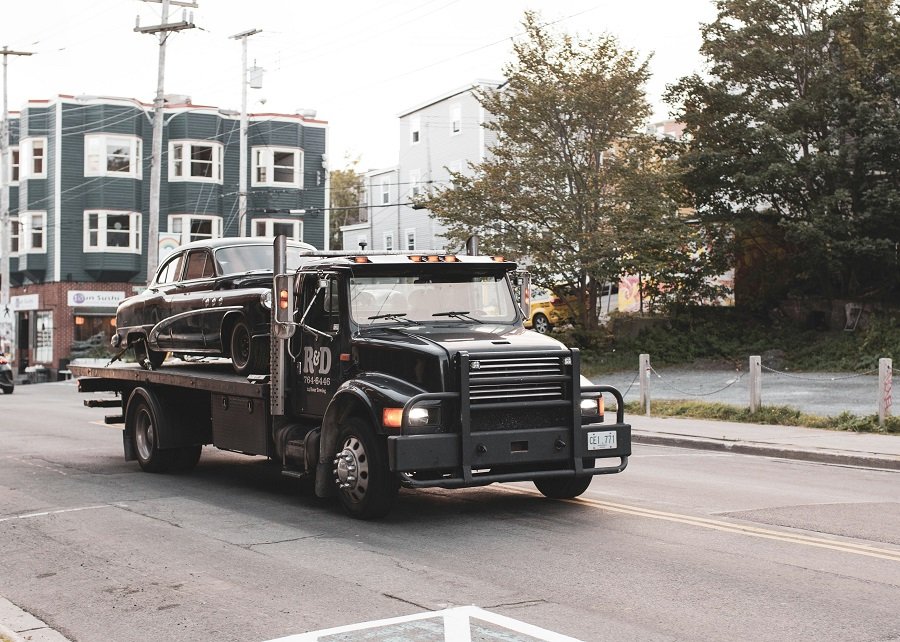
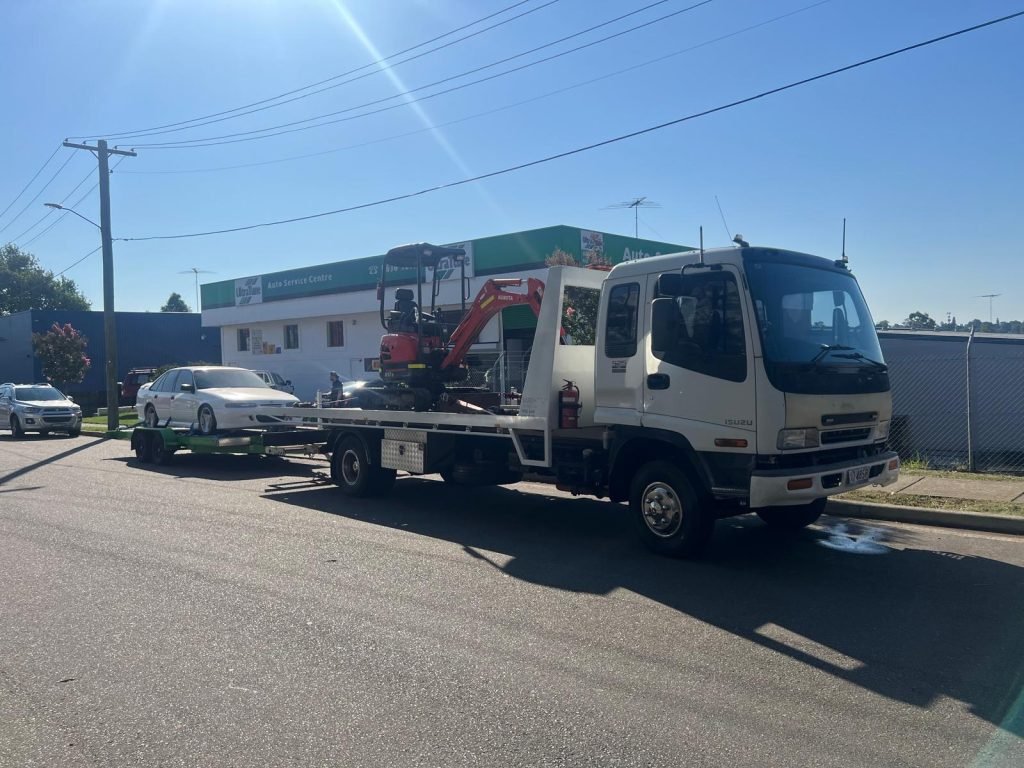
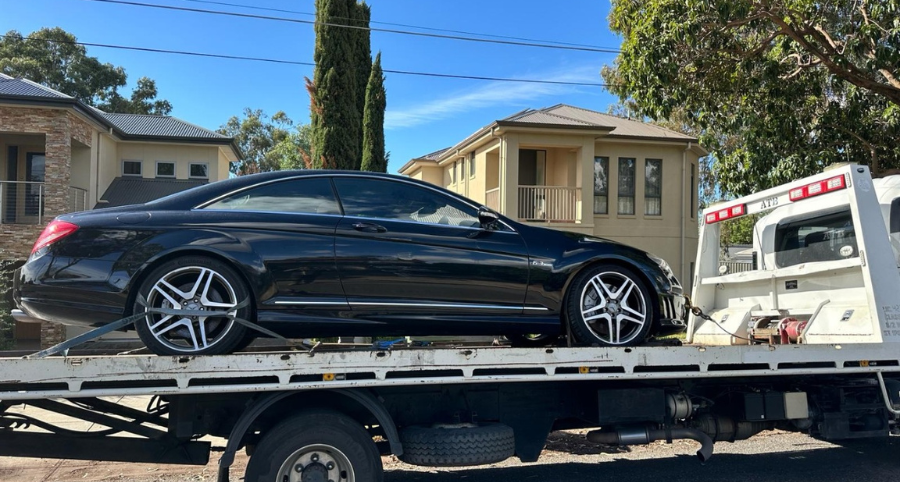
- Flatbed Tow Trucks: These are the most common type, featuring a flat platform to secure the entire vehicle.
- Wheel-Lift Tow Trucks: These trucks use a hydraulic lift to secure a vehicle by its front or rear wheels.
- Hook-and-Chain Tow Trucks: These older models use a chain to pull vehicles but are less commonly used due to potential damage to the car.
- Integrated Tow Trucks: Equipped with advanced technology, these trucks are often used for larger vehicles, such as buses or heavy machinery.
2. Primary Uses of Tow Trucks
Tow trucks serve purposes like:
- Emergency Roadside Assistance: Recovering vehicles that break down on highways or in remote areas.
- Accident Recovery: Transporting damaged cars to repair shops or junkyards.
- Parking Violations: Removing improperly parked vehicles from private or public spaces.
3. Accessibility and Mobility
Tow trucks are highly maneuverable and can navigate narrow streets or urban environments more effectively than larger car carriers. This makes them suitable for localized operations.
Key Differences Between Car Carriers and Tow Trucks
Although both are used for moving vehicles, car carriers and tow trucks differ significantly in design, functionality, and use cases. Below are the primary distinctions:
1. Capacity
- Car Carriers: Designed to transport multiple vehicles (up to 10 or more) simultaneously.
- Tow Trucks: Typically handle one vehicle at a time.
2. Distance
- Car Carriers: Ideal for long-distance transport across cities, states, or countries.
- Tow Trucks: Primarily used for short-distance recovery and towing.
3. Purpose
- Car Carriers: Best for logistics, mass transportation, and dealership operations.
- Tow Trucks: Geared towards emergency services, accident recovery, and impoundment.
4. Cost Efficiency
- Car Carriers: More cost-effective when transporting multiple vehicles simultaneously.
- Tow Trucks: Suitable for individual vehicle recovery but can become expensive for longer distances.
Advantages of Car Carriers
Car carriers offer several advantages, particularly for businesses in the automotive industry. These include:
1. Efficiency in Bulk Transportation
Carriers can move multiple vehicles in a single trip, reducing overall costs and increasing efficiency. This is particularly beneficial for dealerships, auctions, and manufacturers.
2. Versatility in Vehicle Types
Modern car carriers are designed to accommodate a wide range of vehicles, from compact cars to SUVs and luxury sedans. Enclosed carriers provide additional protection for high-value vehicles.
3. Reduced Risk of Damage
Vehicles are securely fastened to the carrier, minimizing the risk of damage during transit. Enclosed carriers also shield vehicles from weather and road debris.
4. Environmentally Friendly
By transporting several vehicles simultaneously, car carriers reduce the carbon footprint compared to individual vehicle transport.
Advantages of Tow Trucks
Tow trucks are indispensable for individual vehicle recovery and localized operations. Their benefits include:
1. Emergency Assistance
Tow trucks provide a vital service for stranded drivers, offering quick recovery and transportation to repair shops.
2. Accessibility
Their compact design allows tow trucks to operate in confined or hard-to-reach areas, such as narrow city streets or remote highways.
3. Versatility
With multiple types of tow trucks available, operators can handle various situations, from minor breakdowns to major accidents.
4. Rapid Response
Tow trucks are designed for quick deployment, ensuring that vehicles can be recovered efficiently in emergencies.
Challenges Associated with Car Carriers
While car carriers are highly efficient, they are not without limitations. These include:
1. Size and Maneuverability
Due to their large size, car carriers require significant space for operation. Navigating narrow roads or urban environments can be challenging.
2. Cost for Smaller Loads
Car carriers are cost-effective for bulk transportation but can be expensive for single-vehicle transport.
3. Dependency on Skilled Operators
Loading and securing multiple vehicles require skilled operators to ensure safety and efficiency.
Challenges Associated with Tow Trucks
Tow trucks face their own set of challenges, which include:
1. Limited Capacity
Since tow trucks typically handle one vehicle at a time, they are less efficient for bulk transportation.
2. Potential for Damage
Improper towing methods, particularly with hook-and-chain tow trucks, can cause damage to the towed vehicle.
3. Cost for Long Distances
Tow trucks are not ideal for long-distance transportation, as costs can escalate quickly.
Choosing Between Car Carriers and Tow Trucks
The decision to use a car carrier or a tow truck depends on the specific requirements of the task. Here are some scenarios to consider:
1. When to Use a Car Carrier
- Transporting multiple vehicles over long distances.
- Shipping high-value or vintage cars that require added protection.
- Facilitating dealership or auction logistics.
2. When to Use a Tow Truck
- Recovering a broken-down vehicle from the roadside.
- Transporting damaged cars after an accident.
- Removing illegally parked or abandoned vehicles.
Differences Between Car Carriers and Tow Trucks
When it comes to vehicle transportation and recovery services, car carriers and tow trucks are two distinct tools, each serving unique purposes in the automotive industry. While they both specialize in moving vehicles, their designs, features, and functionalities are vastly different. Understanding these differences can help individuals, businesses, and service providers make informed decisions about which one suits their specific needs. Car carriers, also known as vehicle transporters, are large, specialized trucks designed to move multiple vehicles at once over long distances. They are commonly used by automobile manufacturers, dealerships, and private customers for bulk vehicle transport. In contrast, tow trucks are primarily used for individual vehicle recovery and towing. They are smaller, more agile vehicles designed to handle emergencies such as breakdowns, accidents, or illegal parking removals. Tow trucks are usually employed for short-distance transportation, offering quick and efficient solutions for stranded or immobilized vehicles.
Car Carriers: Purpose, Design, and Applications
Car carriers are designed to transport multiple vehicles simultaneously. They feature multi-level platforms that can accommodate anywhere from five to ten cars, depending on the carrier’s size and configuration. These platforms are equipped with hydraulic systems and ramps that allow vehicles to be loaded and unloaded with precision and safety. The most common types of car carriers are open-air carriers and enclosed carriers. Open-air carriers are often used for transporting standard vehicles in bulk, as they are more cost-effective. However, they expose vehicles to weather conditions, debris, and potential damage. Enclosed carriers, on the other hand, are designed to offer maximum protection for high-value or vintage cars. These carriers are enclosed within a protective shell, safeguarding the vehicles from external elements and ensuring a secure transit.
The primary use of car carriers is in the logistics and automotive industries. Manufacturers rely on car carriers to transport newly produced vehicles to dealerships or distribution centers. Similarly, dealerships use them to transfer inventory between locations or deliver vehicles to customers. Car carriers are also popular in the private sector for long-distance relocations or transporting vehicles purchased from auctions. Their ability to carry multiple vehicles makes them a cost-effective solution for mass transportation. However, car carriers require significant space to operate and are better suited for long-distance routes, as their size and weight limit their maneuverability in urban areas.
Tow Trucks: Purpose, Types, and Operations
Tow trucks, in contrast, are smaller, more versatile vehicles designed to tow or recover single vehicles. They play a critical role in roadside assistance and vehicle recovery operations. There are several types of tow trucks, each tailored to specific needs. Flatbed tow trucks, for example, are the most commonly used type, featuring a flat platform that allows vehicles to be securely fastened and transported. These trucks are ideal for transporting damaged or immobile vehicles, as the entire vehicle can be loaded onto the platform without causing further damage. Wheel-lift tow trucks are equipped with a hydraulic arm that lifts the front or rear wheels of the vehicle, making them suitable for towing lighter vehicles. Hook-and-chain tow trucks, though less common today due to the risk of damage, use a chain to secure and tow the vehicle. Finally, integrated tow trucks are heavy-duty vehicles designed for towing larger vehicles such as buses and construction equipment.
Tow trucks are primarily used for emergency services. They are often deployed to recover vehicles that have broken down, been involved in accidents, or are parked in restricted areas. Tow trucks are also essential in urban settings for managing traffic violations, such as towing illegally parked cars. Their compact design allows them to navigate narrow streets and confined spaces, making them highly effective in urban environments. Unlike car carriers, tow trucks are not intended for long-distance transportation. Instead, they provide localized services, ensuring that vehicles are safely transported to nearby repair shops, junkyards, or impound lots.
Key Differences Between Car Carriers and Tow Trucks
The primary difference between car carriers and tow trucks lies in their purpose and capacity. Car carriers are designed for bulk transportation, capable of moving multiple vehicles at once, while tow trucks are intended for individual vehicle recovery. Car carriers excel in long-distance transportation, making them ideal for shipping vehicles across states or countries. Tow trucks, on the other hand, are better suited for short-distance operations, often limited to a few miles. In terms of cost, car carriers are more economical for transporting multiple vehicles, whereas tow trucks are more practical for single-vehicle recovery. Another significant difference is their design and operation. Car carriers require skilled operators to load, secure, and unload vehicles, ensuring that the weight is evenly distributed and the cars are protected during transit. Tow trucks, while simpler to operate, demand expertise in vehicle recovery techniques to avoid causing additional damage to the towed vehicle.
Advantages of Car Carriers
Car carriers offer several advantages, especially for businesses in the automotive industry. One of their most significant benefits is efficiency. By transporting multiple vehicles in a single trip, car carriers reduce fuel consumption and overall transportation costs. This makes them an environmentally friendly option compared to towing individual vehicles. Car carriers are also equipped to handle various vehicle types, from compact cars to large SUVs and luxury sedans. Enclosed car carriers, in particular, are invaluable for transporting high-value or vintage vehicles, as they provide added protection against weather and road debris. Additionally, car carriers are designed with advanced safety features, such as secure fastening mechanisms and hydraulic ramps, to minimize the risk of damage during transit.
Advantages of Tow Trucks
Tow trucks, though smaller and less specialized than car carriers, are indispensable in certain scenarios. Their compact design allows them to operate in tight spaces, such as crowded city streets or parking lots. This makes them ideal for urban environments where car carriers cannot maneuver. Tow trucks are also highly versatile, with different models designed to handle specific tasks. For example, flatbed tow trucks are suitable for safely transporting heavily damaged vehicles, while wheel-lift tow trucks are perfect for quick recoveries. Another key advantage of tow trucks is their availability and response time. Tow truck services are often on call 24/7, providing immediate assistance to drivers in need. This makes them a reliable option for emergency roadside recovery and accident response.
Challenges of Car Carriers and Tow Trucks
While both car carriers and tow trucks are valuable tools, they come with their own set of challenges. Car carriers, due to their large size and weight, are difficult to navigate in urban settings. They require ample space for loading and unloading, which can be a significant limitation in crowded areas. Additionally, the cost of operating a car carrier can be high for small loads, as the per-vehicle cost increases when fewer vehicles are transported. Skilled operators are also essential for ensuring the safe and efficient operation of car carriers, which can add to the overall expense. Tow trucks, on the other hand, face challenges related to capacity and distance. Since they are designed to transport one vehicle at a time, they are not suitable for bulk transportation. The risk of vehicle damage is another concern, particularly with older hook-and-chain models. Furthermore, tow truck services can become costly for long-distance transportation, making them less practical for extended routes.
Future Innovations in Vehicle Transportation
The vehicle transportation industry is constantly evolving, with new technologies and innovations shaping the future of car carriers and tow trucks. Autonomous car carriers are currently being developed, promising increased efficiency and safety by eliminating the risk of human error. These carriers are equipped with advanced sensors and GPS systems, allowing them to navigate and operate independently. Similarly, tow trucks are also benefiting from technological advancements. AI-assisted systems are being integrated into modern tow trucks, enabling operators to assess vehicle conditions and determine the safest recovery methods in real time. Electric tow trucks and carriers are another emerging trend, offering a more sustainable alternative to traditional diesel-powered models. These innovations not only improve the efficiency and safety of vehicle transportation but also reduce the industry’s environmental impact.
Towexpert: Your Trusted Tow Service in Alidade, Australia
When it comes to professional towing services in Alidade, Australia, Towexpert stands out as a reliable and efficient solution. Whether you need emergency roadside assistance, accident recovery, or vehicle transportation, Towexpert is equipped to handle all your towing needs with precision and care. With a fleet of modern tow trucks and experienced operators, Towexpert ensures that your vehicle is in safe hands. Contact Towexpert today for fast, dependable, and affordable towing services in Alidade.