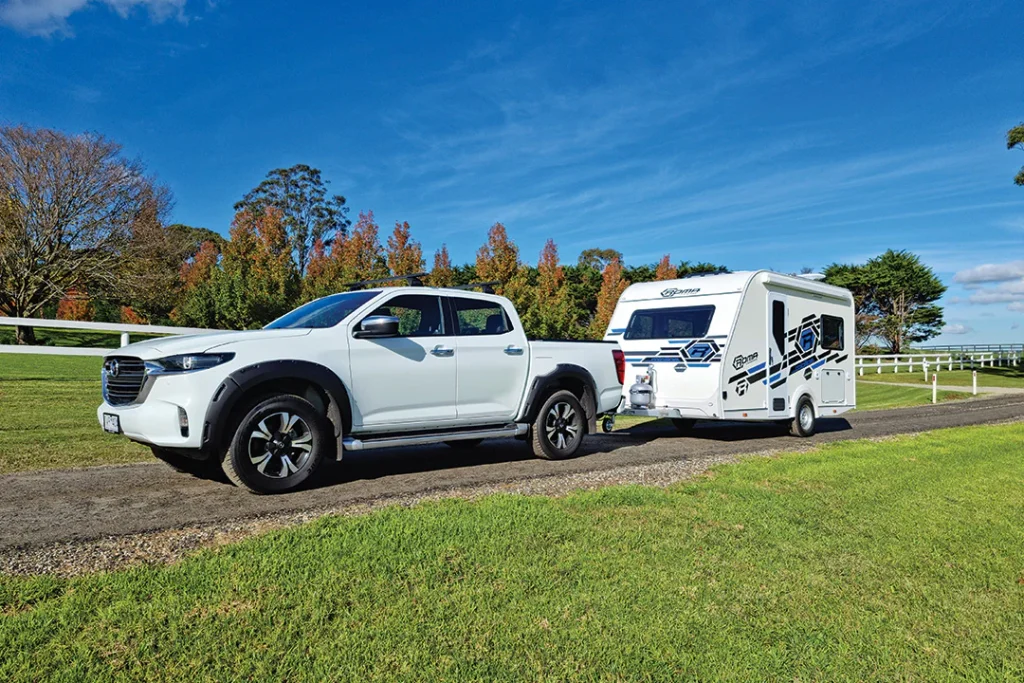
When it comes to towing a caravan, one of the most crucial aspects to consider is whether or not you need electric brakes. Towing a caravan involves more than simply attaching the trailer to your car; it requires a detailed understanding of safety requirements, legal obligations, and the technicalities involved in ensuring that both the car and the caravan function harmoniously together on the road. Electric brakes play a critical role in this harmony, especially for larger caravans, where the braking power of the towing vehicle may not be sufficient to safely stop the combined load.
This article will explore the various aspects of towing a caravan, the role of electric brakes, their legal requirements, and why they are essential for both safety and performance. We will also provide insights into the benefits of electric brakes, how they work, and when they become necessary. For those who are considering installing electric brakes or are wondering whether their current towing setup is sufficient, this article will answer all your questions in detail.
The Importance of Braking While Towing
Before delving into electric brakes specifically, it’s important to understand why brakes are so vital when towing a caravan. Towing a caravan adds significant weight to your vehicle, and this increased weight affects the vehicle’s ability to stop. When you’re towing a trailer, whether it’s a small camper or a large caravan, the combined weight of the caravan and the vehicle must be accounted for in terms of braking power. The heavier the caravan, the more braking force is needed to stop both vehicles in a timely and controlled manner.
Without sufficient braking, the risk of accidents increases significantly. The added weight can cause the towing vehicle to struggle in emergency situations, leading to extended stopping distances. Moreover, improper braking can cause the caravan to sway, creating instability on the road, which could result in dangerous situations for the driver and other road users.
What Are Electric Brakes?
Electric brakes are a type of braking system used on trailers and caravans that allows the trailer’s braking system to be activated electronically from the towing vehicle. Unlike traditional mechanical braking systems, electric brakes rely on an electric current to activate brake shoes inside the trailer’s wheel assembly. This electronic system provides a more efficient and controlled braking response compared to manual braking systems.
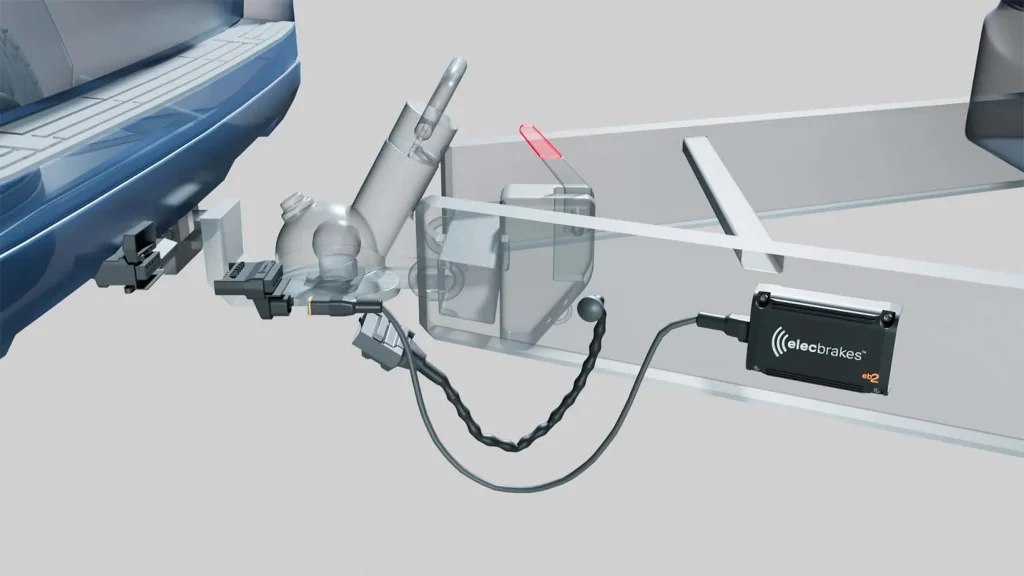
Electric brakes are typically operated through a brake controller installed in the towing vehicle. When the towing vehicle slows down, the controller sends a signal to the caravan’s electric brake system, activating the brakes. The force of the braking can be adjusted depending on the size and weight of the caravan, allowing for smoother and more controlled deceleration.
Types of Electric Brakes
There are two main types of electric brakes: electric drum brakes and electric disc brakes.
- Electric Drum Brakes: These are the most common type of electric brakes used on caravans. In drum brakes, an electric current is used to activate the brake shoes inside a drum. When the brake shoes make contact with the drum, the wheels slow down. Electric drum brakes are effective for caravans and trailers of moderate size and weight.
- Electric Disc Brakes: These brakes are used in larger caravans and trailers that require higher braking power. Electric disc brakes work in a similar way to electric drum brakes, but the braking mechanism involves a disc rather than a drum. Disc brakes offer better performance in terms of heat dissipation and braking efficiency, making them ideal for larger, heavier caravans or trailers.
When Are Electric Brakes Required?
In Australia, the law is clear about when electric brakes are necessary for towing a caravan. The requirement largely depends on the size and weight of the caravan, as well as the capabilities of the towing vehicle. According to Australian road safety regulations, caravans or trailers with a gross trailer mass (GTM) over 750 kg must be fitted with a braking system.
If the gross laden weight of the caravan exceeds 2,000 kg, electric brakes are legally required in most Australian states and territories. In fact, for caravans that weigh more than 2,000 kg, electric brakes are considered essential to ensure safe towing. The towing vehicle must also be equipped with an appropriate brake controller to ensure that the electric brakes on the caravan function correctly.
Do You Need Electric Brakes for Smaller Caravans?
For smaller caravans, the need for electric brakes depends on the weight and the towing vehicle’s capabilities. For example, if your caravan weighs less than 750 kg, you may not be legally required to install electric brakes. However, even if the law doesn’t mandate electric brakes, installing them could significantly improve your safety and control on the road, especially when driving on steep inclines or during heavy braking situations.
Electric brakes provide an extra layer of braking force to the caravan, making it easier for the towing vehicle to maintain control. They are particularly useful for situations where quick deceleration is required, such as when approaching a stop sign or slowing down in traffic. In these situations, electric brakes can help reduce the wear on the towing vehicle’s brakes and reduce the overall stopping distance.
Benefits of Electric Brakes for Towing a Caravan
The installation of electric brakes comes with several benefits, particularly in terms of safety, control, and performance. Below are some of the key advantages of electric brakes when towing a caravan:
- Improved Safety: Electric brakes ensure that the caravan slows down or stops in coordination with the towing vehicle. This improves overall stability and reduces the risk of the caravan swaying or jackknifing while driving. In the event of an emergency, the brakes can help the towing vehicle come to a complete stop more quickly and safely.
- Reduced Wear on the Towing Vehicle: Without electric brakes, the braking system on the towing vehicle would have to work much harder to slow down the combined weight of the vehicle and the caravan. This can lead to faster wear and tear on the vehicle’s brakes. By using electric brakes on the caravan, the load is shared, and the vehicle’s brake system experiences less strain.
- More Control on Steep Terrain: When towing on hilly or mountainous terrain, the braking demands increase significantly. Electric brakes can provide additional braking force, making it easier to control the caravan on steep inclines and declines. This is especially important when driving on winding mountain roads where sudden braking may be necessary.
- Better Performance in Heavy Traffic: In stop-and-go traffic situations, electric brakes help reduce the load on the towing vehicle’s braking system. The additional braking power provided by the caravan’s electric brakes can make driving in heavy traffic safer and more efficient.
- Smooth and Adjustable Braking: Electric brakes allow for more precise control over the braking force applied to the caravan. Using a brake controller, you can adjust the amount of braking force depending on factors such as the weight of the caravan and road conditions. This ensures smoother and more controlled braking, especially when towing large or heavy caravans.
How Do Electric Brakes Work?
The operation of electric brakes on a caravan is relatively simple yet highly effective. The system operates via a brake controller that is installed in the towing vehicle. This controller monitors the braking performance of the vehicle and sends an electric current to the caravan’s brakes when the vehicle slows down.
Here’s a step-by-step breakdown of how electric brakes work:
- Brake Controller Activation: When the towing vehicle’s brakes are applied, the brake controller detects the deceleration of the vehicle. It then sends a signal (an electric current) to the electric brake system on the caravan.
- Activation of Brakes on the Caravan: The electric current activates the brake shoes or disc pads inside the caravan’s brake system. The brake shoes or pads then make contact with the drum or disc, applying braking force to the caravan’s wheels.
- Adjustment of Braking Force: Depending on the settings of the brake controller, the braking force can be adjusted to suit the towing situation. For example, a higher braking force may be applied when towing a larger caravan, or a lower force may be used for smaller loads.
- Synchronized Braking: Ideally, the braking force applied by the caravan’s brakes should be synchronized with the towing vehicle’s brakes. This ensures that both vehicles slow down at the same time, preventing the caravan from pushing or pulling the towing vehicle.
How to Install Electric Brakes
Installing electric brakes on a caravan requires a certain level of technical knowledge and expertise. If you’re not experienced with automotive electrical systems, it is advisable to have a professional install the electric brake system for you. The process involves fitting the brake components to the caravan, wiring the brake controller to the towing vehicle, and ensuring that the system is properly calibrated.
The installation process includes:
- Installing the Brake Shoes or Discs: The electric brakes need to be installed on the wheels of the caravan. This involves attaching the brake shoes or discs to the wheel hubs and ensuring they are correctly aligned.
- Wiring the Electric Brake Controller: A brake controller is typically mounted in the towing vehicle. The controller must be wired to the vehicle’s electrical system and connected to the caravan’s brake system. The wiring must be properly insulated and routed to avoid damage during towing.
- Calibration and Testing: Once the system is installed, the brake controller needs to be calibrated to ensure that the braking force is appropriate for the weight of the caravan and the towing vehicle. The system should be tested under various conditions to ensure it operates safely and efficiently.
Maintenance of Electric Brakes
To ensure that your electric brakes continue to operate efficiently, regular maintenance is crucial. The braking system on both the caravan and the towing vehicle requires periodic checks to prevent wear and tear, which could lead to decreased braking performance. Over time, the brake pads or shoes on the caravan’s electric brake system can wear down, especially if the caravan is frequently towed or used under heavy loads. It’s important to inspect the brake components for signs of wear and replace them as needed.
The brake controller in the towing vehicle should also be checked periodically to ensure it is calibrated correctly and functioning as expected. In addition, the wiring connecting the towing vehicle to the caravan should be inspected for any signs of damage or corrosion, as poor electrical connections can cause the brake system to malfunction. Ensuring that the brake controller is properly adjusted can also make a significant difference in how smoothly the caravan responds to braking inputs.
The Role of Towbars in Towing a Caravan
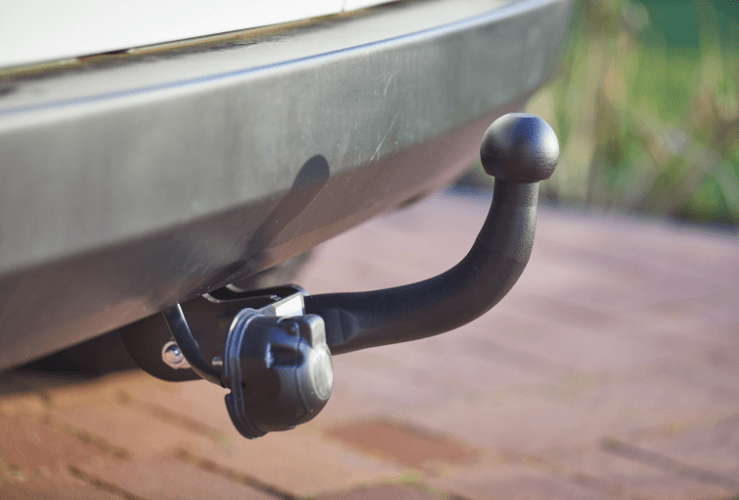
While electric brakes are essential for controlling the braking of the caravan, the towbar also plays a key role in the safety and stability of the towing setup. The towbar is the physical connection between the towing vehicle and the caravan. It must be properly rated for the weight of the caravan to ensure a secure and safe attachment. In addition to the towbar, the hitch system is another crucial component that needs to be properly maintained.
The hitch and ball coupling must be correctly aligned and securely fastened to avoid any risk of detachment while driving. Regular inspection of the towbar, hitch, and coupling mechanisms ensures that there is no play or movement between the vehicle and the caravan, which could lead to instability on the road. A well-maintained towbar setup, when paired with properly functioning electric brakes, helps ensure a smooth and controlled towing experience, particularly when navigating through turns or during emergency braking.
Legal Implications of Not Having Electric Brakes
In addition to the safety concerns, there are legal implications when towing a caravan without electric brakes when they are required. As mentioned earlier, in Australia, caravans with a gross trailer mass over 2,000 kg must have electric brakes fitted.
Failing to comply with these legal requirements could result in significant penalties, including fines and potential cancellation of the vehicle’s registration. More seriously, if an accident were to occur due to inadequate braking, you could face legal action or liability claims for negligence.
In the event of an accident, the absence of electric brakes could also affect the outcome of an insurance claim, as the insurance company may deem the vehicle not roadworthy or in violation of safety standards. Therefore, ensuring that your caravan is fitted with the appropriate braking system is not only a matter of safety but also a legal obligation to protect yourself, other road users, and your insurance coverage.
Also Read: – If a tow truck damages your car are they liable
TowExpert – The Leading Tow Service in Alidade, Australia
If you’re looking for expert advice or professional assistance with towing your caravan, TowExpert is here to help. Located in Alidade, Australia, TowExpert provides a wide range of towing and caravan-related services, from electric brake installations to emergency roadside assistance. Their team of experienced technicians is well-equipped to ensure that your caravan is towed safely and securely, whether you’re embarking on a long road trip or need a quick tow in an emergency.
TowExpert’s commitment to providing top-notch towing services makes them the go-to choice for caravan owners in Alidade and the surrounding areas. Whether you need assistance with setting up electric brakes or require a towing solution for your caravan, TowExpert ensures that you are equipped with everything you need for a safe and enjoyable journey. Reach out to TowExpert today and experience unparalleled towing services in Alidade, Australia.