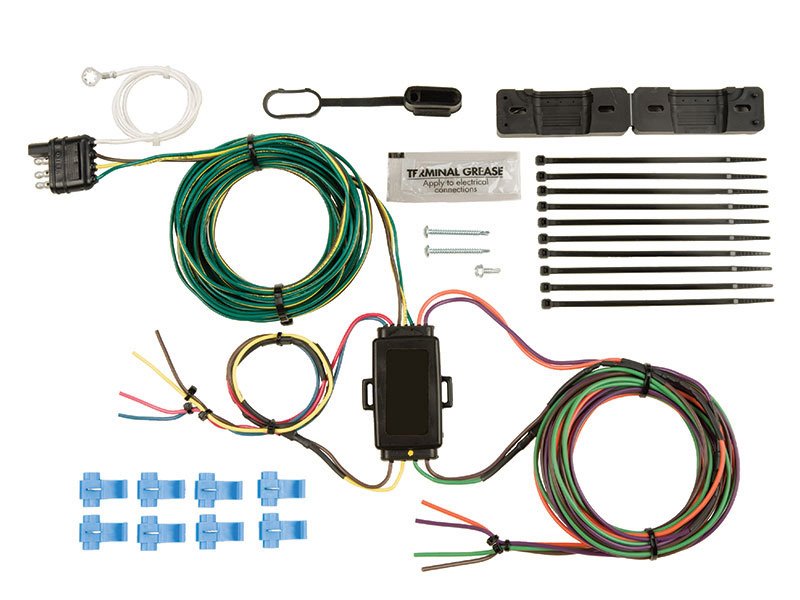
Towing a trailer, caravan, or boat can be an exciting adventure, but it requires proper preparation to ensure safety and functionality. One of the most critical components of towing is the wiring harness, which connects your vehicle’s electrical system to the trailer’s lights and signals. Installing a towing wiring harness might seem daunting, but with the right tools, knowledge, and guidance, it’s a task you can confidently tackle yourself.
In this detailed guide, brought to you by Tow Expert, we’ll walk you through the step-by-step process of installing a towing wiring harness in your car. Whether you’re a seasoned DIY enthusiast or a beginner, this guide will equip you with everything you need to know to get the job done right. Let’s dive in!
Why Install a Towing Wiring Harness?
Before we get into the installation process, let’s understand why a towing wiring harness is essential:
- Safety: A properly installed wiring harness ensures that your trailer’s brake lights, turn signals, and tail lights are synchronized with your vehicle’s lights. This is crucial for safe driving, especially at night or in poor weather conditions.
- Legal Compliance: In most regions, it’s a legal requirement to have functioning lights on your trailer. A wiring harness ensures you comply with road safety regulations.
- Convenience: A wiring harness simplifies the connection between your vehicle and trailer, making it easier to hook up and tow.
- Vehicle Protection: A professionally installed harness protects your vehicle’s electrical system from potential damage caused by improper connections.
Tools and Materials You’ll Need
Before starting the installation, gather the following tools and materials:
- Towing wiring harness kit (specific to your vehicle make and model)
- Screwdrivers (flathead and Phillips)
- Wire strippers and crimping tool
- Electrical tape or heat shrink tubing
- Zip ties
- Multimeter (for testing connections)
- Drill and drill bits (if required)
- Socket set or wrenches
- Protective gloves and safety glasses
- Vehicle owner’s manual (for reference)
Step-by-Step Guide to Installing a Towing Wiring Harness
Step 1: Choose the Right Wiring Harness
Not all wiring harnesses are created equal. The type of harness you need depends on your vehicle’s make, model, and year, as well as the type of trailer you’ll be towing. There are two main types of wiring harnesses:
- Vehicle-Specific Harness: Designed to plug directly into your vehicle’s existing wiring system. This is the easiest option if available for your car.
- Universal Harness: Requires splicing into your vehicle’s wiring. This option is more versatile but requires more effort to install.
Consult your vehicle’s owner’s manual or contact a professional at Tow Expert to ensure you select the correct harness.
Step 2: Prepare Your Vehicle
- Park on a Flat Surface: Ensure your car is parked on a flat, stable surface and the parking brake is engaged.
- Disconnect the Battery: To avoid electrical shorts or shocks, disconnect the negative terminal of your car battery.
- Locate the Tail Light Assembly: Identify the tail light assembly where the wiring harness will be connected. This is usually accessible from inside the trunk or under the rear bumper.
Step 3: Install the Wiring Harness
For Vehicle-Specific Harnesses:
- Locate the Pre-Installed Connector: Many modern vehicles come with a pre-installed connector for a towing wiring harness. This is typically found near the rear bumper or inside the trunk.
- Plug in the Harness: Simply plug the wiring harness into the connector. Ensure it’s securely attached.
- Route the Wiring: Run the wiring along the vehicle’s frame, securing it with zip ties to prevent it from dangling or getting caught.
For Universal Harnesses:
- Identify the Wiring Connections: Use your vehicle’s manual to identify the wires for the tail lights, brake lights, turn signals, and ground.
- Strip the Wires: Carefully strip the insulation from the wires you’ll be connecting.
- Connect the Harness: Match the wires from the harness to the corresponding wires on your vehicle. Use crimp connectors or solder the wires together, then insulate them with electrical tape or heat shrink tubing.
- Ground the Harness: Attach the ground wire from the harness to a clean, unpainted metal surface on your vehicle’s frame.
Step 4: Test the Connections
Before finalizing the installation, it’s crucial to test the wiring harness to ensure everything is working correctly.
- Reconnect the Battery: Reattach the negative terminal of your car battery.
- Check the Lights: Turn on your vehicle’s headlights, brake lights, and turn signals. Verify that the corresponding lights on the trailer are functioning.
- Use a Multimeter: If any lights aren’t working, use a multimeter to check for continuity and proper voltage in the wiring.
Step 5: Secure the Wiring
Once you’ve confirmed that the wiring harness is functioning correctly, secure the wiring to prevent damage or disconnection.
- Use Zip Ties: Fasten the wiring to the vehicle’s frame using zip ties. Avoid placing the wires near moving parts or hot surfaces.
- Protect the Wiring: Use a wire loom or conduit to protect the wiring from abrasion and environmental factors.
Step 6: Final Checks
Before hitting the road, perform a final inspection to ensure everything is in order.
- Double-Check Connections: Ensure all connections are secure and properly insulated.
- Test Again: Re-test the lights to confirm they’re working as expected.
- Inspect the Trailer: Verify that the trailer’s lights are synchronized with your vehicle’s lights.
Tips for a Successful Installation
- Follow the Instructions: Always refer to the instructions provided with your wiring harness kit.
- Take Your Time: Rushing the installation can lead to mistakes. Be patient and methodical.
- Seek Professional Help if Needed: If you’re unsure about any step, don’t hesitate to contact the experts at Tow Expert for assistance.
- Regular Maintenance: Periodically inspect the wiring harness for wear and tear, especially if you frequently tow heavy loads.
Common Mistakes to Avoid
- Incorrect Wiring Connections: Connecting the wrong wires can lead to malfunctioning lights or damage to your vehicle’s electrical system.
- Poor Grounding: A weak or improper ground connection can cause intermittent or non-functioning lights.
- Skipping the Testing Phase: Always test the wiring harness before finalizing the installation to avoid issues on the road.
- Using Low-Quality Materials: Invest in a high-quality wiring harness and connectors to ensure durability and reliability.
Benefits of Professional Installation
While installing a towing wiring harness is a manageable DIY project, there are several benefits to having it professionally installed by Tow Expert:
- Expertise: Our technicians have the knowledge and experience to ensure a flawless installation.
- Time-Saving: We can complete the installation quickly and efficiently, saving you time and effort.
- Warranty: Professional installations often come with a warranty, giving you peace of mind.
- Custom Solutions: We can provide custom wiring solutions tailored to your specific towing needs.
Conclusion
Installing a towing wiring harness is a valuable skill that enhances your vehicle’s towing capabilities and ensures safety on the road. By following this comprehensive guide, you can confidently tackle the installation process and enjoy hassle-free towing adventures.
At Tow Expert, we’re committed to providing you with the best towing solutions and expert advice. If you have any questions or need assistance with your towing needs, don’t hesitate to reach out to us. Happy towing.
Frequently Asked Questions
1. Can I install a towing wiring harness myself?
Yes, with the right tools and instructions, you can install a towing wiring harness yourself. However, if you’re unsure, it’s best to seek professional help.
2. How long does it take to install a towing wiring harness?
The installation typically takes 1-3 hours, depending on your vehicle and the type of harness.
3. Do I need a special wiring harness for my vehicle?
Yes, it’s important to choose a wiring harness that’s compatible with your vehicle’s make and model.
4. What if my trailer lights aren’t working after installation?
Double-check the connections, ensure the ground is secure, and test the wiring with a multimeter. If the issue persists, consult a professional.
5. Can I tow without a wiring harness?
No, a wiring harness is essential for powering your trailer’s lights and ensuring safe towing.