When it comes to towing a trailer or caravan, one critical factor is the weight on the tow ball. Excessive tow ball weight can have serious consequences, such as poor vehicle handling, increased fuel consumption, and even damage to your car’s suspension system. Properly managing the tow ball weight is essential for safety, vehicle performance, and maintaining the lifespan of your vehicle. This article provides detailed insights on how to reduce tow ball weight effectively.
Understanding Tow Ball Weight
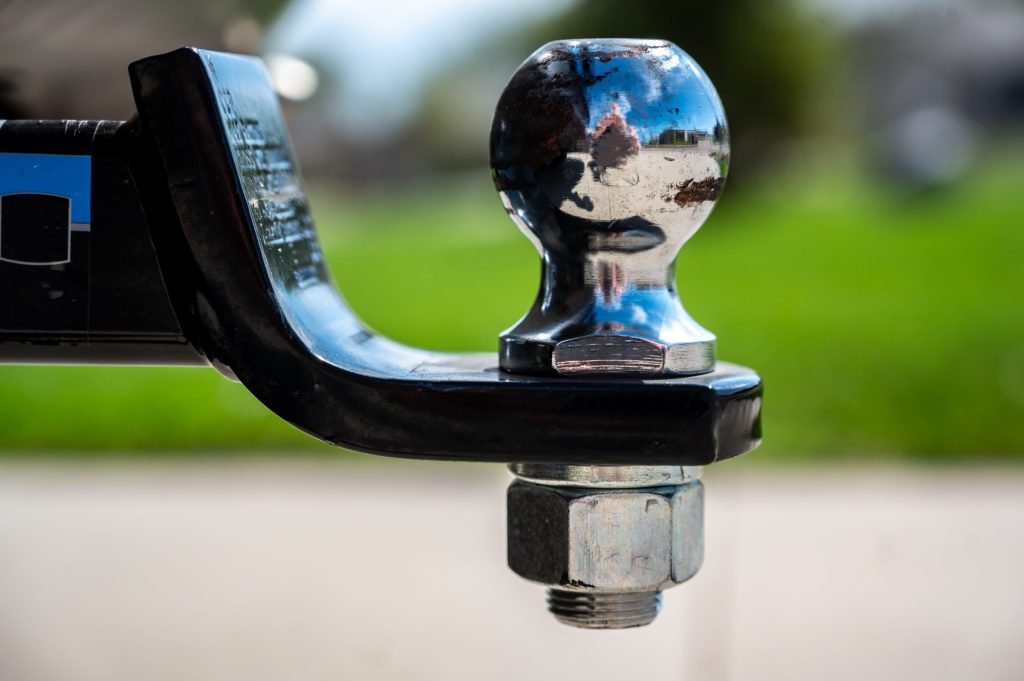
Tow ball weight, also known as towbar or ball load, refers to the downward force exerted by the trailer’s drawbar on the towball of the vehicle. This weight is distributed between the vehicle and the trailer’s axle, with some of the load resting on the tow bar. Tow ball weight is usually measured in kilograms (kg) and is crucial for ensuring that the tow vehicle and trailer maintain proper balance.
It is important to note that tow ball weight is different from the gross trailer weight, which refers to the total weight of the trailer, including its cargo. The tow ball weight should ideally fall between 8% and 15% of the trailer’s total weight, though specific recommendations may vary based on the vehicle and trailer type.
Why Tow Ball Weight Matters
If the tow ball weight is too heavy or too light, it can cause serious towing issues:
- Excessive Tow Ball Weight: A high tow ball weight can place too much pressure on the rear suspension of the vehicle, affecting ride comfort, stability, and safety. It can also lead to excessive wear on the vehicle’s rear tires and cause the tow vehicle to dip excessively at the rear.
- Insufficient Tow Ball Weight: If the tow ball weight is too light, the trailer can become unstable, causing the trailer to sway side-to-side. This can be dangerous, especially at high speeds, and can lead to loss of control of the entire rig.
The key is to ensure that the tow ball weight falls within the recommended range for your vehicle and trailer.
How to Check Tow Ball Weight
Before attempting to reduce the tow ball weight, you must first measure it. There are several methods to check tow ball weight:
- Tow Ball Weight Scale: The most accurate way to measure the tow ball weight is by using a tow ball weight scale. These scales are readily available in most automotive stores and work by placing the scale under the tow ball, where it measures the downward force exerted by the trailer.
- Weighing the Trailer: If you don’t have access to a tow ball scale, you can also weigh your trailer and compare its gross weight with the weight on the tow ball. This can be done by weighing each axle of the trailer separately and calculating the load distribution.
- Using a Vehicle Weighbridge: Many service centers have weighbridges that allow you to measure the total weight of your vehicle and trailer. By subtracting the unladen weight of the vehicle, you can calculate the weight on the tow ball.
Once you know the tow ball weight, you can begin to explore ways to reduce it.
How to Reduce Tow Ball Weight
Reducing tow ball weight is a crucial step to ensure your towing setup is balanced and safe. Here are several strategies you can use to reduce the weight on the tow ball.
1. Proper Load Distribution
One of the most effective ways to reduce tow ball weight is by properly distributing the load in the trailer. Proper load distribution ensures that the weight is spread evenly, reducing the pressure placed on the tow ball. Here are some key considerations:
- Place Heavier Items Toward the Front: Load heavier items closer to the front of the trailer, near the tow bar. This helps to increase the tow ball weight to an acceptable level. However, be careful not to overload the front of the trailer, as this can result in excessive tow ball weight.
- Distribute Weight Evenly: Avoid placing all the heavy items in one section of the trailer. Instead, try to spread the load across the trailer to balance the weight on both sides of the tow ball.
- Check the Trailer’s Axles: Ensure that the weight distribution across the trailer axles is balanced. If the load is too far back, it can reduce the tow ball weight, making the trailer unstable.
2. Use a Weight Distribution Hitch (WDH)
A Weight Distribution Hitch (WDH) is an essential tool for managing tow ball weight. This device uses spring bars to redistribute the weight of the trailer across the vehicle’s axles and the trailer’s axles, which can reduce the overall pressure on the tow ball. The WDH ensures better vehicle handling, reduces rear sag, and improves braking performance, making towing safer and more comfortable.
A WDH works best when towing heavy loads or large trailers, as it helps balance the weight across the vehicle and trailer, reducing the strain on the tow ball and vehicle suspension system.
3. Adjust the Trailer’s Load
In some cases, reducing the amount of cargo in the trailer can significantly lower the tow ball weight. If you have items in your trailer that are not essential, consider removing them. This will reduce the overall weight on the tow ball and ensure that the trailer is not overloaded.
If the trailer is carrying bulky items that are not securely fastened, shifting or redistributing them may help achieve better weight distribution and reduce the tow ball weight.
4. Consider Using Lighter Materials in the Trailer
If you have the option, consider using lighter materials in your trailer. For example, if you’re hauling tools, camping gear, or any other equipment, choose lightweight alternatives. By reducing the overall weight of the trailer, you will automatically reduce the pressure placed on the tow ball.
For example, replacing heavy wooden furniture with plastic or metal alternatives can help bring the tow ball weight within a safe range. Additionally, lighter tires and rims for the trailer can also contribute to reducing the total weight.
5. Adjust the Hitch Height
The height of the hitch plays a significant role in the weight distribution. If the hitch is too low, it can increase the tow ball weight, causing the vehicle’s rear to sag. Conversely, if the hitch is too high, the tow ball weight may be reduced, leading to instability.
Ensure that your hitch is set to the correct height for your vehicle and trailer combination. Most vehicles and trailers come with adjustable hitches, so you can make the necessary adjustments to optimize weight distribution and reduce tow ball weight.
6. Consider the Tow Vehicle’s Load
The weight of the tow vehicle itself can affect tow ball weight. If your vehicle is heavily loaded, it may increase the amount of weight placed on the tow ball. Make sure that your tow vehicle is not overloaded, as this can exacerbate the issues associated with excessive tow ball weight.
Keep the tow vehicle’s load to a minimum, especially in the rear area. This will help maintain proper balance and reduce the tow ball weight.
Safety Considerations When Reducing Tow Ball Weight
While reducing tow ball weight is essential for vehicle safety and performance, it’s equally important to ensure that the trailer remains stable during towing. Here are a few safety tips to keep in mind when adjusting tow ball weight:
- Stay Within Manufacturer Recommendations: Always adhere to the manufacturer’s guidelines for both the vehicle and trailer. This will help prevent overloading and ensure that the tow ball weight remains within safe limits.
- Test Your Towing Setup: After adjusting the load, it’s important to test the towing setup to ensure that the trailer is stable. Take the vehicle and trailer for a short drive and monitor the handling, braking, and stability.
- Maintain Regular Maintenance: Regularly inspect your towing equipment, including the tow bar, hitch, and trailer brakes. Keeping everything in good condition is essential for safe towing.
Understanding the Impact of Tow Ball Weight on Vehicle Performance
The weight on the tow ball directly influences the overall performance of the towing vehicle. When tow ball weight is too high, it can negatively affect the car’s suspension system. Over time, the constant pressure from excessive tow ball weight may cause the suspension components to wear out more quickly, leading to costly repairs. Additionally, the rear end of the vehicle may sag, causing the headlights to point upwards, which can dazzle other road users and reduce visibility. Properly managing the tow ball weight ensures that your vehicle remains stable and performs optimally while towing.
A well-balanced tow setup not only provides better handling and steering response but also improves fuel efficiency. When the tow ball weight is within the optimal range, the vehicle can maintain a more level position, resulting in reduced drag and better aerodynamics. As a result, this can help save fuel during long-haul towing trips. This is especially important for drivers who tow large trailers or caravans regularly, as the added fuel cost from poor towing setup can accumulate quickly over time.
Considerations for Caravan Towing and Tow Ball Weight
Caravan owners should pay special attention to tow ball weight, as caravans are often heavier than standard trailers and have more complex weight distribution dynamics. When towing a caravan, the tow ball weight should be calculated with care. If the weight distribution is off, it can lead to dangerous towing conditions, including sway or fishtailing, especially at higher speeds. Properly managing the tow ball weight of a caravan ensures that the caravan remains stable and that the vehicle handles the load safely.
To further reduce tow ball weight, caravans can be equipped with advanced suspension systems that help distribute the weight more evenly. Some caravans come with an independent suspension system, which can help reduce the pressure on the tow ball while improving the overall stability of the towing setup. However, whether you own a caravan or a smaller trailer, always ensure that the tow ball weight is checked and adjusted to maintain a smooth towing experience.
Impact of Tow Ball Weight on Braking Performance
An often overlooked aspect of tow ball weight is its impact on braking performance. A heavier tow ball weight increases the load on the vehicle’s braking system, which may cause the brakes to overheat or wear out more rapidly. Over time, this could result in a decrease in braking effectiveness, especially when hauling large trailers or caravans. In contrast, maintaining the right tow ball weight ensures that the braking system can operate within its designed limits, providing the necessary stopping power when needed.
For vehicles with electronic braking systems or brake controllers, it’s important to adjust the settings based on the tow ball weight. Many modern vehicles and trailers have adjustable brake controllers that allow the user to fine-tune the braking response depending on the weight being towed. Ensuring the correct brake settings based on the tow ball weight will not only reduce the wear on the brakes but will also improve the overall safety of the towing setup.
Tow Ball Weight and Tire Wear
Tire wear is another critical consideration when managing tow ball weight. Excessive tow ball weight can cause the rear tires of the vehicle to wear unevenly due to the additional load placed on them. This uneven tire wear can result in reduced traction, increased road noise, and a rougher ride. In extreme cases, it can lead to premature tire failure, which could be dangerous during towing.
To avoid these issues, ensure that your vehicle’s tires are properly inflated and in good condition. Regularly inspect the tires for signs of uneven wear and rotate them as needed. Additionally, maintaining the correct tow ball weight can help prevent unnecessary strain on the tires, allowing them to last longer and perform more efficiently. If you notice any issues with tire wear, consult a professional to assess the condition of your tires and make adjustments to your towing setup.
The Role of Tow Ball Weight in Preventing Sway
Tow ball weight plays a significant role in preventing trailer sway, which is a dangerous condition that can occur when the trailer starts to swing back and forth. Proper tow ball weight helps keep the trailer securely attached to the tow vehicle and reduces the likelihood of sway. If the tow ball weight is too light, the trailer may start to sway, especially when driving at higher speeds or in windy conditions. In such cases, drivers may struggle to regain control of the vehicle and trailer combination, leading to a potential accident.
By ensuring the tow ball weight is within the recommended range, the vehicle and trailer are less likely to experience instability. Additionally, using sway control devices such as friction sway bars or integrated electronic sway control systems can further enhance the stability of the setup. These devices work in conjunction with the tow ball weight to keep the trailer under control, offering peace of mind for those towing heavy or large loads.
Also Read: – Are towing companies responsible for damages
The Importance of Professional Assistance in Tow Ball Weight Management
While many towing setups can be adjusted by the owner, there are times when professional assistance is needed to ensure that tow ball weight is properly managed. Towing professionals can assess your vehicle and trailer, ensuring that the weight distribution is correct and that the tow ball weight is within safe limits. They can also offer advice on the best equipment to use, such as weight distribution hitches or load-leveling systems, to further reduce tow ball weight.
If you are unsure about how to adjust your tow ball weight or are dealing with a particularly challenging towing setup, don’t hesitate to consult a professional towing service. Experts can provide you with the necessary tools and knowledge to ensure that your vehicle, trailer, and towing experience are safe and efficient. Whether it’s a simple adjustment or a more complex towing solution, seeking professional advice can save you time, money, and potential accidents down the road.
TowExpert – Professional Tow Services in Alidade, Australia
For professional towing services in Alidade, Australia, you can trust TowExpert. They specialize in providing expert towing and roadside assistance services, ensuring that your vehicle and trailer are safe to transport. Whether you need a quick tow, emergency breakdown service, or help with vehicle recovery, TowExpert is equipped to handle all your towing needs with the utmost care and professionalism.
For residents in Alidade, TowExpert offers reliable solutions for both local and long-distance towing. With a focus on safety and customer satisfaction, TowExpert makes sure your towing experience is seamless and hassle-free.