When your vehicle breaks down, the immediate concern is how to get it to safety or a repair shop. Depending on your situation, you may need either local towing or long-distance towing. While both services are aimed at moving your vehicle from one location to another, they differ significantly in terms of scope, costs, and suitability for different needs. This article explores the differences, benefits, and considerations involved in local towing and long-distance towing to help you make an informed decision.
What is Local Towing?
Local towing generally refers to transporting a vehicle within a limited radius, typically 5 to 50 kilometers. This type of towing is commonly used for routine breakdowns, flat tires, dead batteries, or minor accidents. Local towing is often offered by nearby service providers who operate in specific areas and specialize in helping drivers stranded close to home or familiar locations.
When Do You Need Local Towing?
Local towing is ideal for situations such as:
- Flat Tires or Dead Batteries: If your vehicle is immobilized by minor issues, local towing can get you to the nearest mechanic quickly.
- Accidents: Following a collision, you may need your car towed to a nearby repair shop or storage yard.
- Vehicle Relocation: Moving your vehicle a short distance for service, storage, or relocation within the same town or city.
Cost of Local Towing
Local towing is typically more affordable than long-distance towing due to shorter distances, minimal fuel expenses, and reduced labor. Many companies offer flat rates or per-kilometer pricing, making it easier to budget for emergencies.
Advantages of Local Towing
- Quick Response Times: Local towing companies often provide faster response times due to proximity.
- Affordable Services: Lower operational costs translate into more budget-friendly options.
- Convenience: Local providers are familiar with the area, ensuring smooth and hassle-free operations.
What is Long-Distance Towing?
Long-distance towing involves transporting a vehicle over greater distances, often exceeding 50 kilometers. This service is typically required for specialized situations such as intercity travel, vehicle purchases from distant locations, or relocation across state or regional boundaries.
When Do You Need Long-Distance Towing?
Long-distance towing is a necessity in cases such as:
- Relocations: Moving to a new city or state often requires transporting your vehicle over long distances.
- Vehicle Sales and Purchases: When buying or selling a car located far away, long-distance towing ensures safe transportation.
- Emergency Recovery: If your vehicle breaks down in a remote area, long-distance towing might be your only option to reach a repair facility.
Cost of Long-Distance Towing
The cost of long-distance towing is considerably higher due to fuel consumption, wear and tear on towing vehicles, and labor hours. Many companies calculate fees based on kilometers traveled, additional services like securing the vehicle, and the type of towing equipment used.
Advantages of Long-Distance Towing
- Comprehensive Services: Long-distance towing companies are equipped to handle various vehicle types, including luxury cars and heavy trucks.
- Reliability: Professionals experienced in long-haul towing ensure your vehicle arrives safely at its destination.
- Peace of Mind: Knowing your car is in expert hands minimizes stress during long moves or emergencies.
Key Differences Between Local and Long-Distance Towing
Understanding the distinctions between local and long-distance towing is crucial when choosing a service provider. Below are some key differences:
- Distance Covered: Local towing usually covers up to 50 kilometers, while long-distance towing involves longer hauls exceeding this range.
- Cost Implications: Local towing is generally cheaper due to lower fuel and labor costs, whereas long-distance towing requires more resources, thus costing more.
- Response Times: Local services offer quicker response times, while long-distance towing may involve scheduling in advance.
- Service Scope: Local towing focuses on minor roadside issues and emergencies, whereas long-distance towing is designed for complex, large-scale needs.
Choosing the Right Towing Service
Choosing between local and long-distance towing depends on various factors, including:
- Distance: Assess how far your vehicle needs to be moved.
- Urgency: Determine whether you need immediate assistance or can schedule towing in advance.
- Vehicle Type: Specialized vehicles, such as motorcycles or oversized trucks, may require specific towing equipment.
- Budget: Consider the costs involved and opt for a service that aligns with your financial constraints.
What to Look for in a Towing Service Provider
Whether you need local or long-distance towing, selecting a reliable service provider is essential. Here are key factors to consider:
- Experience: Choose companies with a proven track record in handling various towing scenarios.
- Equipment: Ensure the provider has the right tools and vehicles for the job, especially for long-distance needs.
- Availability: 24/7 availability is critical for emergencies.
- Insurance Coverage: Confirm that the towing company offers insurance to protect your vehicle during transit.
- Customer Reviews: Research online reviews and testimonials to gauge the provider’s reputation.
Challenges in Towing Services
Towing, whether local or long-distance, comes with its challenges. Understanding these can help set realistic expectations:
- Weather Conditions: Adverse weather can impact both response times and safety during transport.
- Traffic Delays: Congestion, especially in urban areas, can slow down local towing services.
- Wear and Tear: Towing vehicles, especially for long distances, experience significant wear, affecting service reliability.
- Specialized Vehicles: Exotic or oversized vehicles require additional precautions and equipment.
The Role of Technology in Modern Towing
The towing industry has evolved significantly with the advent of technology. Innovations such as GPS tracking, automated dispatch systems, and advanced towing equipment have transformed the experience for both service providers and customers.
GPS Tracking
Modern towing companies use GPS systems to locate customers quickly, estimate arrival times, and provide updates during transit.
Advanced Towing Vehicles
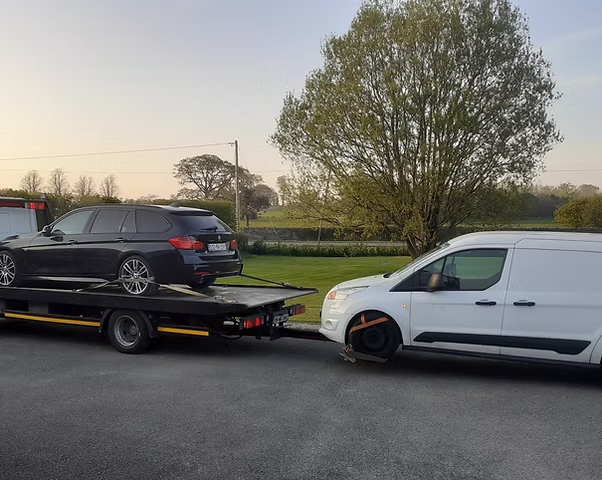
Hydraulic lifts, flatbeds, and specialized rigs allow safe and efficient transport for diverse vehicle types, including motorcycles and luxury cars.
Online Booking and Payment
Many towing companies now offer online booking systems and cashless payment options, enhancing convenience for customers.
Environmental Impact of Towing Services
Both local and long-distance towing have an environmental impact due to fuel consumption and emissions. To mitigate this, some companies are adopting eco-friendly practices such as using fuel-efficient vehicles or offsetting carbon emissions.
Additional Considerations in Towing Services
When dealing with vehicle emergencies, choosing the right towing service isn’t just about distance. Several additional factors contribute to the decision-making process, ensuring a seamless experience regardless of whether the towing is local or long-distance. Understanding these nuances can save time, money, and stress. Below, we discuss various facets that often go overlooked when arranging towing services.
Towing Equipment: An Essential Factor
The type of equipment a towing company uses can make a significant difference in the safety and efficiency of the transport. Flatbed tow trucks are among the safest options as they keep the vehicle off the ground, reducing wear and tear. For local towing, wheel-lift or hook-and-chain trucks may suffice, but these can lead to minor damages if not handled properly. Long-distance towing, on the other hand, demands advanced equipment like enclosed trailers to protect the vehicle from weather and road debris over extended journeys.
Towing Speed and Delivery Time
Local towing often promises faster response times and delivery due to the short distances involved. In contrast, long-distance towing requires careful scheduling. Delivery times may range from several hours to a few days, depending on the distance and logistics. For individuals relocating or transporting high-value vehicles, long-distance towing companies often provide tracking systems and real-time updates to enhance transparency.
The Role of Insurance in Towing Services
Insurance plays a pivotal role in both local and long-distance towing. Accidents can happen during transport, and having insurance coverage protects both the towing company and the vehicle owner. Many reputable companies offer liability insurance, covering damages caused during the towing process. Long-distance towing often comes with higher stakes, making comprehensive insurance even more critical. Before choosing a provider, always verify their insurance policies to ensure peace of mind.
Cost Breakdown: Understanding Pricing Structures
While it is evident that long-distance towing is more expensive, understanding the pricing structure can help you budget effectively. Local towing usually charges a flat fee plus a small per-kilometer rate. In contrast, long-distance towing often involves additional costs for fuel, overnight storage, permits, and driver allowances. It’s essential to request a detailed quote upfront to avoid unexpected charges, especially when dealing with extended routes.
Specialized Towing Services
Some vehicles require specialized towing services, and not all companies can cater to such needs. For example, motorcycles, luxury cars, RVs, or heavy-duty trucks may need customized towing equipment. Local towing providers may lack the resources for such specific requirements, whereas long-distance towing companies are more likely to invest in diverse towing fleets. Always inquire about the provider’s expertise in handling your vehicle type.
Emergency Towing vs. Scheduled Towing
One of the main distinctions in towing services is between emergency towing and scheduled towing. Local towing providers excel in emergency scenarios like breakdowns or accidents, often arriving within 30 minutes to an hour. Long-distance towing is generally pre-scheduled, requiring advance notice to coordinate logistics. Understanding this difference can help you manage expectations and avoid delays.
Impact on Vehicle Wear and Tear
Even though towing eliminates the need for driving the vehicle, it can still experience wear and tear during transport. Local towing poses minimal risks due to short distances, but improper handling during loading or unloading can still cause damage. For long-distance towing, vibrations, weather exposure, and road debris can lead to minor damages. Choosing a reputable towing service that uses protective measures, such as vehicle covers or enclosed trailers, can mitigate these risks.
Customer Support and Communication
The quality of customer support can greatly influence your towing experience. Local towing providers often emphasize personalized service and quick responses due to their smaller service areas. Long-distance towing companies, managing larger operations, often offer dedicated support teams to keep clients informed about vehicle status. Regardless of the distance, choose a company that prioritizes clear communication and provides assistance throughout the process.
Seasonal and Weather Considerations
Weather conditions can significantly impact towing operations. In local towing scenarios, rain or snow might cause slight delays. However, for long-distance towing, seasonal factors like storms, heat waves, or icy roads can pose serious challenges. It’s advisable to plan long-distance towing during favorable weather conditions or ensure the company has experience handling adverse situations.
Legal and Permitting Requirements
Long-distance towing often involves crossing regional or state borders, requiring compliance with legal regulations. Permits may be necessary for transporting oversized vehicles or crossing into certain jurisdictions. Local towing rarely encounters these legal hurdles, making it more straightforward. Ensure the towing company you choose has the necessary permits and understands regional laws to avoid complications.
Eco-Friendly Towing Practices
As environmental awareness grows, some towing companies are adopting eco-friendly practices. These include using fuel-efficient tow trucks, reducing idle times, and investing in electric or hybrid vehicles. Such practices are more common in long-distance towing services, where sustainability initiatives can make a noticeable impact. Supporting companies with green policies can contribute to environmental conservation.
Reputation and Reliability of Providers
Ultimately, the reputation of the towing company should be a deciding factor. Local towing providers thrive on community trust and word-of-mouth recommendations, whereas long-distance companies often rely on customer reviews and professional endorsements. Researching online testimonials and checking accreditation can help you identify trustworthy providers for both local and long-distance towing needs.
Conclusion: Local Towing vs. Long-Distance Towing
Both local and long-distance towing services play vital roles in keeping drivers and vehicles safe during unexpected situations. While local towing is ideal for short-distance transport and quick response times, long-distance towing caters to more extensive needs like relocations and intercity travel. By understanding your specific requirements and evaluating the capabilities of towing companies, you can ensure your vehicle is in good hands.
If you’re in [Alidade, Australia] and need dependable towing services, look no further than TowExpert. Whether it’s a short trip across town or a long haul to another city, TowExpert offers reliable, professional, and efficient towing solutions tailored to your needs. With state-of-the-art equipment, experienced staff, and a commitment to customer satisfaction, TowExpert is your trusted partner for all towing needs.