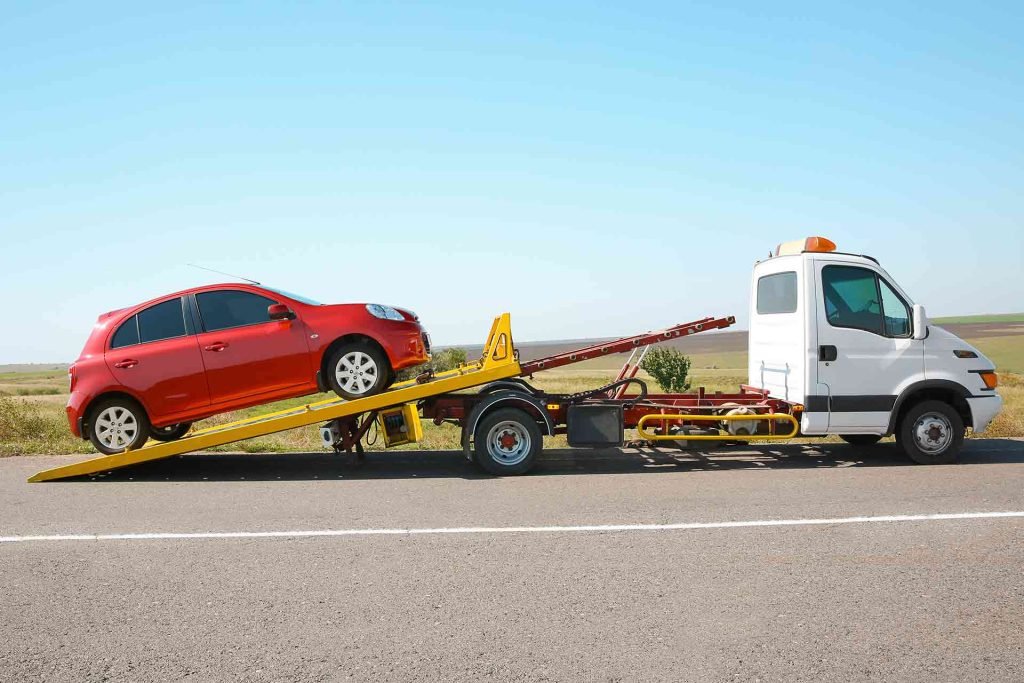
Towing is an essential activity for many Australians, whether it’s hauling a caravan for a weekend getaway, transporting a boat to the coast, or moving heavy equipment for work. However, towing places significant stress on your vehicle, and one of the most common issues drivers face is overheating. Overheating can lead to costly repairs, breakdowns, and even dangerous situations on the road.
At Tow Expert, we understand the importance of keeping your vehicle in top condition, especially when towing. In this comprehensive guide, we’ll explore the causes of overheating while towing and provide actionable maintenance tips to prevent it. By following these expert recommendations, you can ensure a safer and more efficient towing experience.
Why Does Overheating Happen While Towing?
Before diving into prevention tips, it’s crucial to understand why overheating occurs during towing. Overheating is typically caused by excessive strain on your vehicle’s engine, transmission, and cooling system. Here are the primary reasons:
- Increased Load: Towing adds extra weight, forcing your engine and transmission to work harder. This increased workload generates more heat.
- Inadequate Cooling System: If your vehicle’s cooling system isn’t functioning optimally, it won’t be able to dissipate the excess heat generated during towing.
- Poor Maintenance: Neglecting regular maintenance, such as coolant flushes or air filter replacements, can lead to overheating.
- Driving Conditions: Towing in hot weather, uphill terrain, or stop-and-go traffic exacerbates heat buildup.
- Improper Towing Setup: Using the wrong towing equipment or exceeding your vehicle’s towing capacity can strain the engine and transmission.
Now that we’ve identified the causes, let’s dive into the key maintenance tips to prevent overheating while towing.
Regularly Inspect and Maintain Your Cooling System
Your vehicle’s cooling system is its first line of defense against overheating. Here’s how to keep it in top shape:
Check Coolant Levels
- Ensure your coolant reservoir is filled to the recommended level.
- Use the correct type of coolant specified in your owner’s manual.
- Inspect for leaks in the radiator, hoses, and water pump.
Flush the Cooling System
- Over time, coolant can become contaminated with rust, debris, and sediment.
- Flush the cooling system every 40,000 to 60,000 kilometres or as recommended by your vehicle manufacturer.
Inspect the Radiator
- Check the radiator for blockages or damage.
- Clean the radiator fins to ensure proper airflow.
- Consider upgrading to a high-performance radiator if you frequently tow heavy loads.
Test the Thermostat
- A faulty thermostat can cause your engine to overheat.
- Replace the thermostat if it’s stuck closed or not opening at the correct temperature.
Monitor and Maintain Your Transmission
The transmission is another critical component that can overheat during towing. Follow these tips to keep it running smoothly:
Check Transmission Fluid
- Ensure the transmission fluid is at the proper level and in good condition.
- Replace the fluid and filter according to your vehicle’s maintenance schedule.
Install a Transmission Cooler
- A transmission cooler helps dissipate heat and prevents fluid from breaking down.
- This is especially important if you frequently tow heavy loads or drive in hot climates.
Avoid Overloading
- Exceeding your vehicle’s towing capacity puts excessive strain on the transmission.
- Always check your owner’s manual for the maximum towing capacity and adhere to it.
Optimise Your Towing Setup
A proper towing setup reduces strain on your vehicle and minimises the risk of overheating. Here’s what you need to do:
Use the Right Tow Vehicle
- Ensure your vehicle is equipped for towing. SUVs, utes, and trucks with robust engines and cooling systems are ideal for towing.
- Consider upgrading to a vehicle with a higher towing capacity if needed.
Choose the Correct Tow Equipment
- Use a tow bar, hitch, and trailer that are compatible with your vehicle.
- Ensure the trailer is properly balanced to distribute weight evenly.
Install Auxiliary Cooling Systems
- Auxiliary fans or oil coolers can help manage heat buildup during towing.
- These systems are particularly useful for heavy-duty towing.
Practice Smart Driving Habits
Your driving habits play a significant role in preventing overheating. Follow these tips:
Avoid Overworking the Engine
- Shift to a lower gear when climbing hills to reduce strain on the engine.
- Avoid sudden acceleration or braking, which can generate excess heat.
Monitor Gauges and Warning Lights
- Keep an eye on your temperature gauge and transmission temperature gauge (if equipped).
- Pull over and let your vehicle cool down if you notice signs of overheating.
Take Breaks During Long Trips
- Stop periodically to allow your engine and transmission to cool.
- This is especially important when towing in hot weather or challenging terrain.
Perform Regular Vehicle Maintenance
Routine maintenance is essential for preventing overheating and ensuring your vehicle is towing-ready. Here’s a checklist:
Change the Oil Regularly
- Fresh oil reduces friction and helps dissipate heat.
- Use high-quality oil that meets your vehicle’s specifications.
Replace Air Filters
- A clogged air filter restricts airflow to the engine, increasing the risk of overheating.
- Replace the air filter as recommended by your manufacturer.
Inspect Belts and Hoses
- Check for cracks, wear, or leaks in belts and hoses.
- Replace them if necessary to prevent breakdowns.
Test the Battery
- A weak battery can strain the alternator, leading to overheating.
- Ensure your battery is in good condition and fully charged.
Prepare for Hot Weather Towing
Towing in hot weather increases the risk of overheating. Here’s how to stay prepared:
Plan Your Route
- Avoid steep hills and congested areas during the hottest parts of the day.
- Choose routes with plenty of rest stops and shade.
Use Sunshades and Ventilation
- Park in shaded areas whenever possible.
- Use sunshades and open windows to reduce interior heat buildup.
Carry Emergency Supplies
- Pack extra coolant, water, and a first-aid kit.
- Consider carrying a portable fan or cooling system for emergencies.
Upgrade Your Vehicle for Heavy-Duty Towing
If you frequently tow heavy loads, consider upgrading your vehicle with these enhancements:
Install a Heavy-Duty Radiator
- A larger radiator provides better cooling capacity.
- Look for models designed for towing or off-road use.
Add an Engine Oil Cooler
- An oil cooler helps regulate engine temperature during heavy towing.
- This is particularly useful for diesel engines.
Upgrade Your Suspension
- A reinforced suspension system improves stability and reduces strain on the engine.
- This is especially important for towing large trailers or caravans.
Know the Signs of Overheating
Even with proper maintenance, overheating can still occur. Recognising the signs early can prevent serious damage:
- Rising Temperature Gauge: If the needle moves into the red zone, pull over immediately.
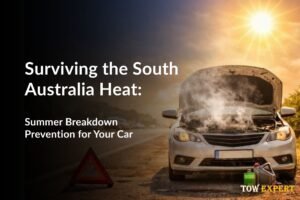
- Steam or Smoke: Steam from the hood or exhaust indicates overheating.
- Strange Smells: A sweet smell (coolant) or burning odour (oil) can signal a problem.
- Loss of Power: If your vehicle struggles to accelerate, it may be overheating.
What to Do If Your Vehicle Overheats
If your vehicle starts to overheat while towing, follow these steps:
- Pull Over Safely: Find a safe spot to stop and turn off the engine.
- Let the Engine Cool: Wait at least 30 minutes before opening the hood.
- Check Coolant Levels: Add coolant if necessary, but only when the engine is cool.
- Inspect for Leaks: Look for visible leaks or damage to hoses and the radiator.
- Call for Help: If you’re unable to resolve the issue, contact a professional for assistance.
Conclusion
Preventing overheating while towing requires a combination of proper maintenance, smart driving habits, and the right equipment. By following the tips outlined in this guide, you can protect your vehicle, avoid costly repairs, and enjoy a safer towing experience.
At Tow Expert, we’re committed to helping you tow with confidence. Whether you need advice on towing equipment, maintenance services, or emergency assistance, our team is here to support you. Visit Tow Expert for more resources and expert tips on towing safely and efficiently.
Remember, a well-maintained vehicle is your best ally on the road. Stay proactive, stay prepared, and be happy towing.
FAQ’s
1. What causes a vehicle to overheat while towing?
Overheating during towing is often caused by increased engine and transmission strain, inadequate cooling systems, poor maintenance, or improper towing setups. Hot weather, steep terrain, and heavy loads can also contribute to heat buildup.
2. How can I check if my cooling system is working properly?
Inspect coolant levels, check for leaks, and ensure the radiator is clean and free of blockages. Monitor the temperature gauge while driving and look for signs like steam or unusual smells, which indicate cooling system issues.
3. Is a transmission cooler necessary for towing?
Yes, a transmission cooler is highly recommended for towing. It helps dissipate heat, prevents fluid breakdown, and reduces strain on the transmission, especially when hauling heavy loads or driving in hot conditions.
4. What should I do if my vehicle starts to overheat while towing?
Pull over safely, turn off the engine, and let it cool for at least 30 minutes. Check coolant levels and inspect for leaks. If the issue persists, seek professional assistance to avoid further damage.
5. How often should I service my vehicle for towing?
Service your vehicle according to the manufacturer’s schedule, paying special attention to the cooling system, transmission, and engine oil. Regular maintenance, such as coolant flushes and air filter replacements, is crucial for towing readiness.