Introduction
Towing a trailer, caravan, or boat is a common practice for many Australians, whether it’s for a weekend getaway, moving house, or transporting equipment for work. However, one question that often comes up for both novice and experienced towers is whether specialized tow mirrors are really necessary. After all, your vehicle already has side mirrors, so why invest in additional equipment?
In this comprehensive guide, we’ll dive deep into the world of tow mirrors, exploring their purposes, benefits, legal requirements, and how to choose the right ones for your vehicle. By the end, you’ll have a clear understanding of whether tow mirrors are just an optional accessory or an essential safety tool for your towing setup.
What Are Tow Mirrors and How Do They Work?
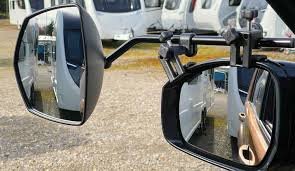
Tow mirrors, also known as extended or extendable mirrors, are specialized side mirrors designed to provide enhanced visibility when towing wide loads such as caravans, trailers, or boats. Unlike standard vehicle mirrors that are designed primarily for seeing traffic behind and to the sides of your vehicle, tow mirrors are specifically engineered to compensate for the additional width and length that comes with towing.
Types of Tow Mirrors
There are several types of tow mirrors available on the market today:
- Clip-on Tow Mirrors: These temporary mirrors attach to your existing side mirrors, extending your field of vision without requiring any permanent modifications to your vehicle. They’re popular for occasional towers due to their affordability and ease of installation.
- Extendable Factory Mirrors: Some vehicles, particularly utes and larger SUVs, come equipped with factory mirrors that can be manually or electronically extended outward when towing, then retracted for normal driving.
- Replacement Tow Mirrors: These permanent solutions replace your vehicle’s standard mirrors with larger, often more feature-rich alternatives designed specifically for towing.
- Universal Tow Mirrors: These adaptable options are designed to fit multiple vehicle makes and models, offering a flexible solution for those who may change vehicles frequently.
Each type has its own advantages and limitations, which we’ll explore in more detail later in this article.
The Legal Requirements for Tow Mirrors in Australia
Before diving into the practical benefits of tow mirrors, it’s important to understand the legal requirements in Australia. The regulations can vary slightly between states and territories, but there is a consistent principle: you must have a clear view of the traffic behind and to the sides of your vehicle and trailer combination.
According to the Australian Design Rules (ADRs) and state road rules, if your trailer or caravan is wider than your vehicle or obstructs your rear view, you must have extended mirrors that allow you to see clearly down both sides of your trailer. Specifically, you need to be able to see:
- At least 20 meters behind the trailer
- At least 4 meters out from the sides of the trailer
Failure to comply with these regulations can result in significant fines, but more importantly, it creates a dangerous situation for you and other road users. The legal requirements aren’t just bureaucratic red tape; they’re based on proven safety principles that save lives.
5 Crucial Reasons Why Tow Mirrors Are Essential
1. Enhanced Visibility for Safer Lane Changes
One of the most critical moments when towing is changing lanes. Without proper visibility, this maneuver becomes hazardous for you and everyone around you. Standard vehicle mirrors often create substantial blind spots when you’re towing, particularly along the sides of your trailer.
Tow mirrors effectively eliminate these blind spots by providing a wider field of vision, allowing you to see vehicles approaching from behind on either side. This enhanced visibility is especially crucial on highways or multi-lane roads where traffic can approach at high speeds.
2. Easier and Safer Reversing
Ask any experienced tower about the most challenging aspect of towing, and many will mention reversing. This maneuver requires precise control and excellent visibility to prevent accidents or damage to your trailer and surroundings.
Tow mirrors provide the expanded view necessary to see the trajectory of your trailer as you reverse, helping you navigate tight spaces with greater confidence and accuracy. This is particularly valuable when backing into camping spots, driveways, or storage areas.
3. Improved Awareness of Your Trailer’s Position
Even when driving straight ahead, maintaining awareness of your trailer’s position relative to other vehicles, road edges, curbs, and obstacles is crucial. Tow mirrors help you continuously monitor your trailer’s position, ensuring you maintain proper lane positioning and avoid sideswiping objects or other vehicles.
This improved spatial awareness becomes even more valuable when navigating narrow roads, construction zones, or busy urban environments where space is limited and margins for error are small.
4. Reduced Driver Fatigue
Towing naturally increases the mental workload for drivers. Without adequate mirrors, you may find yourself constantly shifting position, craning your neck, or feeling anxious about what you can’t see. These additional stressors contribute significantly to driver fatigue—a major factor in road accidents.
Quality tow mirrors reduce this mental strain by providing clear visibility with minimal effort, allowing you to drive with greater confidence and less fatigue on long journeys. This improved comfort translates directly to safer towing experiences.
5. Protection from Damage and Insurance Implications
Beyond safety, there’s also a financial incentive to using proper tow mirrors. Accidents caused by poor visibility can result in costly damage to your vehicle, trailer, and other people’s property. Moreover, if you’re involved in an accident while towing without legally required mirrors, your insurance coverage could be compromised.
Insurance companies may consider inadequate towing equipment as negligence, potentially affecting claim outcomes. The relatively small investment in quality tow mirrors pales in comparison to these potential financial risks.
Do You Really Need Tow Mirrors? Assessing Your Specific Situation
While the benefits of tow mirrors are clear, the necessity depends on your specific towing situation. Here are key factors to consider when determining if you truly need tow mirrors:
Trailer Width Compared to Vehicle Width
The primary consideration is whether your trailer is wider than your vehicle. If your trailer extends beyond the width of your vehicle’s side mirrors, you’ll almost certainly need tow mirrors to maintain legal and safe visibility.
Measure both your vehicle width (from mirror to mirror) and your trailer’s widest point. If the trailer is wider, tow mirrors are not just beneficial—they’re essential.
Frequency of Towing
How often you tow should influence your decision about which type of tow mirrors to invest in:
- Occasional Towers: If you only tow a few times per year, clip-on temporary mirrors might be the most cost-effective solution.
- Regular Towers: Those who tow monthly or weekly might benefit from more permanent solutions like extendable factory mirrors or replacement tow mirrors.
- Professional or Full-time Towers: If towing is part of your daily routine or profession, high-quality permanent tow mirrors with additional features like heating, integrated signals, and power adjustment are worth considering.
Types of Roads and Driving Conditions
Consider where you’ll be towing most frequently:
- Highway Driving: Higher speeds and frequent lane changes make excellent side visibility crucial.
- Rural Roads: Narrow country roads with no shoulders require precise awareness of your trailer’s position.
- Urban Environments: Navigating city streets with parked cars and tight turns demands enhanced visibility.
- Off-road or Campgrounds: These situations often involve careful maneuvering in tight spaces where standard mirrors are inadequate.
Vehicle Type and Existing Mirrors
Some vehicles are better equipped for towing from the factory than others:
- Small Cars and Crossovers: These typically have smaller side mirrors designed primarily for normal driving, making additional tow mirrors almost essential when towing.
- Large SUVs and Utes: Many of these vehicles come with larger mirrors or extendable mirrors specifically designed with towing in mind.
- Commercial Vehicles: Vans and trucks often have superior mirror systems from the factory but may still benefit from additional mirrors for specific towing applications.
Choosing the Right Tow Mirrors for Your Needs
If you’ve determined that tow mirrors are necessary for your situation, the next step is selecting the right type. Here’s a guide to making the best choice based on your specific needs:
Clip-on Extensions vs. Replacement Mirrors
Clip-on Extensions: Pros and Cons
Pros:
- More affordable (typically $50-$150)
- Easy to install and remove
- No permanent modifications to your vehicle
- Portable between different vehicles
Cons:
- Less stable at highway speeds
- May vibrate and reduce image clarity
- Usually lack advanced features like heating or power adjustment
- Often require adjustment more frequently
Replacement Mirrors: Pros and Cons
Pros:
- Superior stability and durability
- Often include premium features (heating, power adjustment, integrated signals)
- Better integration with vehicle aesthetics
- More reliable in adverse weather conditions
Cons:
- Significantly more expensive (often $300-$800+ depending on features)
- Permanent modification to your vehicle
- Installation may require professional assistance
- Vehicle-specific, not transferable to other vehicles
Key Features to Consider
When shopping for tow mirrors, consider these important features:
- Mirror Size and Shape: Larger mirrors generally provide better visibility, but ensure they’re proportional to your vehicle.
- Convex vs. Flat Mirrors: Many tow mirrors include both types—flat mirrors provide accurate distance perception while convex mirrors expand your field of vision.
- Manual vs. Power Extension: Higher-end options offer electronic controls to extend and retract the mirrors from inside your vehicle.
- Heating Elements: Essential for those who tow in cold or wet conditions to prevent fogging and frost.
- Integrated Turn Signals: Enhance safety by improving the visibility of your turn intentions to other drivers.
- Build Quality and Materials: Look for weather-resistant materials and robust construction, especially if you tow regularly.
- Vibration Resistance: Quality mirrors minimize vibration, which is crucial for maintaining a clear view while towing.
Installation Considerations
Before purchasing tow mirrors, consider:
- DIY vs. Professional Installation: Clip-ons are typically DIY-friendly, while replacement mirrors may require professional installation.
- Vehicle Compatibility: Ensure any mirrors you purchase are compatible with your specific vehicle make, model, and year.
- Electrical Requirements: For mirrors with powered features, consider whether your vehicle has the necessary wiring and how complex the installation might be.
How to Properly Use and Adjust Tow Mirrors
Having the right tow mirrors is only half the solution—they must be correctly adjusted to provide maximum benefit:
Basic Mirror Adjustment Procedure
- Position Your Vehicle and Trailer: Park on level ground with your trailer attached and aligned straight behind your vehicle.
- Driver’s Side Mirror: Adjust so you can see a small portion of the side of your trailer and have a clear view of the road behind.
- Passenger Side Mirror: Follow the same principle, ensuring you can see the side of your trailer while maximizing the view of the road behind.
- Convex Mirrors: If your tow mirrors include convex sections, adjust these to eliminate blind spots, particularly focused on the area immediately adjacent to your trailer.
- Test Your Adjustments: Before hitting the road, walk around your vehicle and trailer to confirm there are no significant blind spots in your mirror coverage.
Common Adjustment Mistakes to Avoid
- Showing Too Much Trailer: If your mirrors primarily show the side of your trailer, you’re missing crucial road visibility.
- Too Little Trailer Visibility: Without seeing at least some of your trailer, it’s difficult to judge its position relative to other objects.
- Neglecting Regular Checks: Mirror adjustments can shift during travel due to vibration and road conditions; check them during rest breaks.
- Improper Angle: Mirrors angled too high or low can create dangerous blind spots at road level.
Real-World Benefits: Case Studies and Testimonials
Case Study 1: The Weekend Caravanner
Michael from Brisbane had been towing his family caravan with standard vehicle mirrors for years. After a close call when changing lanes on the Pacific Highway, he invested in quality extendable tow mirrors.
“The difference was immediate and dramatic,” Michael reports. “I suddenly had visibility I never knew I was missing. I can now see vehicles approaching from behind much earlier, and reversing into tight caravan park spots is so much easier. I wouldn’t tow without them now.”
Case Study 2: The Professional Horse Transporter
Sarah runs a horse transport business in regional Victoria, regularly towing a large horse float. She upgraded from clip-on mirrors to permanent replacement tow mirrors with heating elements and integrated signals.
“In my line of work, visibility isn’t just about convenience—it’s about the safety of valuable animals and my livelihood,” Sarah explains. “The investment in quality mirrors has paid for itself many times over in stress reduction alone, not to mention preventing potential accidents.”
Case Study 3: The Occasional Boat Tower
James from Perth only tows his fishing boat a dozen times per year. He opted for high-quality clip-on mirrors that store easily when not in use.
“For my needs, the clip-ons are perfect,” James says. “They take less than a minute to install, provide all the visibility I need for safe towing, and don’t require any permanent changes to my vehicle. For occasional towers like me, they’re the ideal balance of functionality and convenience.”
Alternatives and Complementary Technologies
While tow mirrors are essential for most towing situations, they can be complemented by other technologies:
Wireless Trailer Cameras
These systems provide a rear view of your trailer through a dashboard-mounted screen. While useful, they don’t replace the legal requirement or practical benefits of proper side mirrors but can be an excellent additional safety feature.
Blind Spot Monitoring Systems
Some newer vehicles offer blind spot detection systems that can be calibrated to account for trailers. These electronic aids can supplement your mirrors but shouldn’t be relied upon as your primary visibility solution when towing.
Mirror Monitor Systems
These combine traditional mirrors with integrated camera displays, offering the best of both worlds. While expensive, they provide exceptional visibility in all conditions.
Maintaining Your Tow Mirrors for Longevity
To ensure your tow mirrors provide reliable service for years to come:
- Regular Cleaning: Keep mirror surfaces clean of dirt, dust, and water spots for optimal visibility.
- Check Mountings: Regularly inspect and tighten any mounting hardware, especially for clip-on models.
- Protect from Impact: When not in use, store removable mirrors carefully to prevent damage.
- Lubricate Moving Parts: For extendable mirrors, occasionally apply appropriate lubricant to extension mechanisms.
- Address Electrical Issues Promptly: For powered mirrors, investigate any functional issues immediately to prevent more significant problems.
Cost-Benefit Analysis: Are Tow Mirrors Worth the Investment?
When considering whether to invest in tow mirrors, it’s worth conducting a simple cost-benefit analysis:
Potential Costs of Not Using Tow Mirrors:
- Traffic infringement fines (typically $200-$400 in most Australian states)
- Insurance implications if involved in an accident while non-compliant
- Repair costs from avoidable accidents
- Stress and anxiety from poor visibility
- Potential harm to yourself or others in case of an accident
Investment in Quality Tow Mirrors:
- Clip-on models: $50-$150
- Mid-range extendable models: $150-$300
- Premium replacement mirrors: $300-$800+
- Professional installation (if required): $100-$200
When viewed through this lens, the investment in appropriate tow mirrors is minimal compared to the potential costs—both financial and human—of inadequate visibility while towing.
Conclusion: Safety and Compliance Above All
So, do you really need tow mirrors? For most towing situations, the answer is a resounding yes. Beyond the legal requirements, which vary depending on your trailer dimensions and location, tow mirrors provide essential visibility that directly contributes to safer towing experiences.
The right tow mirrors:
- Eliminate dangerous blind spots
- Reduce driver stress and fatigue
- Simplify challenging maneuvers like lane changes and reversing
- Protect you legally and financially
- Enhance the safety of everyone sharing the road
While the specific type of tow mirrors you need depends on your vehicle, trailer, and towing frequency, the need for adequate visibility is universal. Consider tow mirrors not as an optional accessory but as an essential safety investment—one that pays dividends every time you tow.
At Tow Expert, we’re committed to helping all Australian towers make safe, informed decisions about their towing equipment. Whether you’re a weekend caravanner, boat enthusiast, or professional tower, proper visibility is the foundation of safe towing practices.
FAQs About Tow Mirrors
1: Can I be fined for not using tow mirrors in Australia? A: Yes, if your trailer obstructs your rear view or is wider than your vehicle’s standard mirrors can adequately cover, you can be fined for insufficient visibility. Fines vary by state but typically range from $200-$400.
2: Will any tow mirrors fit my vehicle? A: No, while universal clip-on models fit many vehicles, they may not be ideal for all. Vehicle-specific models provide the best fit and functionality. Always check compatibility before purchasing.
3: How do I know if my existing mirrors are adequate for towing? A: If you can clearly see at least 20 meters behind your trailer and 4 meters out from each side when seated in your normal driving position, your current mirrors may be sufficient. If in doubt, consult with a towing specialist.
4: Are tow mirrors difficult to install? A: Clip-on models are designed for easy DIY installation. Replacement mirrors may require professional installation, especially if they include electrical features like heating or power adjustment.
5: Can I leave clip-on tow mirrors on all the time? A: While possible, it’s not recommended. Clip-on mirrors can affect aerodynamics, fuel economy, and may be more susceptible to damage when not actively towing. They’re designed to be removable for a reason.