When it comes to towing—whether you’re hauling a caravan across the Australian Outback, towing a boat to the coast, or moving heavy equipment for work—reliable power management is non-negotiable. One unsung hero in this process is the trailer battery isolator, a device that ensures your towing setup runs smoothly without leaving you stranded due to a dead battery. At Tow Expert, we’ve seen firsthand how a well-chosen isolator can transform your towing experience, and in this comprehensive guide, we’ll unpack everything you need to know about trailer battery isolators and why they’re a game-changer for towing enthusiasts and professionals in Australia.
From how they work to choosing the right one for your rig, this blog dives deep into the world of trailer battery isolators, blending technical know-how with practical tips. Whether you’re a weekend adventurer or a seasoned tower, let’s explore why this small device deserves a big spot in your towing toolkit.
What Is a Trailer Battery Isolator?
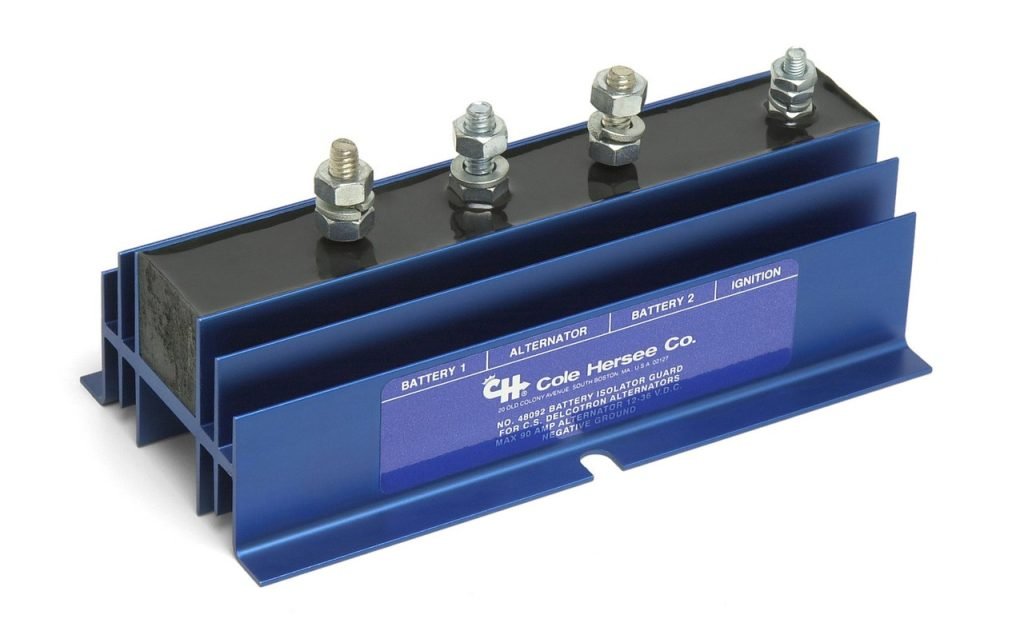
A trailer battery isolator is an electrical device designed to manage power between your tow vehicle’s battery (often called the starting or cranking battery) and your trailer’s auxiliary battery (sometimes referred to as the house battery). Its primary job? To isolate these batteries from one another, ensuring that the trailer battery can charge while you’re driving but won’t drain your tow vehicle’s battery when the engine’s off.
Think of it as a traffic cop for electricity—it directs power where it’s needed without letting it flow unchecked in the wrong direction. In towing setups, this is critical because trailers often power accessories like lights, fridges, winches, or even campsite gadgets, all of which can sap a battery dry if left unchecked.
Why Do You Need a Trailer Battery Isolator?
Imagine this: You’ve parked your caravan at a remote campsite after a long day of towing through Queensland’s rugged terrain. You flick on the fridge, turn on the lights, and settle in—only to wake up the next morning to a tow vehicle that won’t start. Why? Because your trailer’s battery drained your vehicle’s battery overnight. A trailer battery isolator prevents this nightmare by keeping the two systems separate while still allowing the trailer battery to charge from your vehicle’s alternator during transit.
At Tow Expert, we believe preparation is everything. A battery isolator isn’t just a nice-to-have—it’s a must for anyone serious about towing safely and efficiently.
How Trailer Battery Isolators Work
To understand the magic of trailer battery isolators, let’s break it down step-by-step:
- Charging Mode (Engine On): When your tow vehicle’s engine is running, the alternator generates power. The isolator senses this and allows current to flow from the alternator to both the vehicle’s starting battery and the trailer’s auxiliary battery. This keeps both batteries topped up while you’re on the move.
- Isolation Mode (Engine Off): Once you turn off the engine, the isolator kicks into action, cutting the connection between the two batteries. This ensures that any power draw from the trailer (like running a fridge or lights) only affects the auxiliary battery, leaving your starting battery fully charged to get you back on the road.
- Smart Features (In Advanced Models): Modern isolators, like voltage-sensitive relays (VSRs), add an extra layer of intelligence. They monitor voltage levels and only connect the batteries when the starting battery is sufficiently charged, preventing over-drain during low-power scenarios.
This seamless dance of power management is why isolators are indispensable for towing setups across Australia, from the dusty trails of the Simpson Desert to the coastal highways of New South Wales.
Types of Trailer Battery Isolators
Not all isolators are created equal, and choosing the right one depends on your towing needs. Here’s a rundown of the main types you’ll encounter:
1. Solenoid-Based Isolators
- How They Work: These use an electromechanical relay (a solenoid) that closes when the engine is running, allowing current to flow to the trailer battery, and opens when the engine stops.
- Pros: Simple, reliable, and affordable. Minimal power loss compared to other types.
- Cons: Mechanical parts can wear out over time, and they require a small amount of power to operate the solenoid.
- Best For: Budget-conscious towers with basic setups.
2. Diode-Based Isolators
- How They Work: Diodes act as one-way gates, letting current flow from the alternator to both batteries but blocking it from flowing back.
- Pros: No moving parts, so they’re highly durable and maintenance-free.
- Cons: They cause a voltage drop (around 0.7 volts), which can slow charging, and they generate heat, requiring proper ventilation.
- Best For: Long-term towing where reliability trumps efficiency.
3. Voltage-Sensitive Relays (VSRs)
- How They Work: VSRs monitor the voltage of the starting battery and only connect the trailer battery when the voltage exceeds a threshold (typically 13.3V), indicating the alternator is charging.
- Pros: Smart, efficient, and prevents over-discharge of the starting battery. Dual-sensing models can even charge in both directions.
- Cons: Slightly more expensive and complex to install.
- Best For: Modern towing setups with variable power demands, like caravans or off-grid trailers.
4. DC-to-DC Chargers with Isolation
- How They Work: These advanced devices combine battery isolation with optimized charging, boosting voltage and current to the trailer battery for faster, safer charging.
- Pros: Superior charging performance, especially for lithium batteries, and built-in isolation.
- Cons: Higher cost and more involved installation.
- Best For: High-end towing rigs or setups with solar integration.
At Tow Expert, we stock a range of isolators to suit every towing scenario—whether you’re after a rugged solenoid for your work trailer or a smart VSR for your luxury caravan.
The Role of Trailer Battery Isolators in Towing
Trailer battery isolators play several key roles that make them essential for towing success. Let’s explore how they elevate your towing game:
1. Protecting Your Starting Battery
Your tow vehicle’s battery is your lifeline—it starts the engine and powers critical systems like lights and brakes. Without an isolator, a power-hungry trailer can drain it flat, leaving you stranded. An isolator ensures your starting battery stays ready to roll, no matter how much juice your trailer consumes.
2. Extending Battery Life
Over-discharging or overcharging batteries is a surefire way to shorten their lifespan. By managing the charge cycle, isolators prevent these extremes, keeping both your starting and auxiliary batteries in top shape for years of towing adventures.
3. Enabling Off-Grid Freedom
For Aussie towers who love off-grid camping—think the Flinders Ranges or the Gibb River Road—an isolator lets you power your trailer’s accessories without worrying about your tow vehicle. Pair it with solar panels, and you’ve got a self-sustaining setup.
4. Simplifying Power Management
Manual switches exist, but they’re a hassle—you have to remember to flip them on and off. Isolators automate the process, making power management effortless and foolproof, even for towing novices.
5. Supporting Heavy-Duty Loads
If you’re towing a boat with a winch or a trailer with electric brakes, the power demands can skyrocket. An isolator ensures your auxiliary battery handles these loads without taxing your vehicle’s electrical system.
Choosing the Right Trailer Battery Isolator for Your Setup
With so many options, how do you pick the perfect isolator? Here’s a step-by-step guide from the experts at Tow Expert:
Step 1: Assess Your Power Needs
- Light Loads: For basic trailers with minimal accessories (e.g., lights only), a solenoid or diode isolator will do.
- Heavy Loads: For caravans with fridges, winches, or inverters, opt for a VSR or DC-to-DC charger.
Step 2: Match Your Battery Type
- Lead-Acid Batteries: Most isolators work fine with these traditional batteries.
- Lithium Batteries: Their unique charging profiles often require a DC-to-DC charger with isolation for optimal performance.
Step 3: Check Your Alternator Capacity
Your isolator’s amp rating should match or exceed your alternator’s output (e.g., a 100-amp alternator needs a 100-amp or higher isolator). Undersizing it can lead to overheating or failure.
Step 4: Consider Your Towing Style
- Short Trips: A basic isolator is sufficient if you’re not relying heavily on the trailer battery.
- Long Hauls or Off-Grid: Go for a VSR or DC-to-DC charger to maximize charging efficiency.
Step 5: Budget and Installation
- DIY on a Budget: Solenoid isolators are cheap and easy to install.
- Premium Performance: Invest in a VSR or DC-to-DC charger for advanced features and peace of mind.
Need help deciding? Contact our team at Tow Expert—we’ll match you with the ideal isolator for your rig.
Installing a Trailer Battery Isolator: A DIY Guide
Ready to install your isolator? Here’s a simplified guide (always consult your product manual and a professional if unsure):
Tools You’ll Need:
- Battery isolator (e.g., a VSR from Tow Expert)
- Heavy-gauge wiring (10-12 AWG, depending on distance)
- Fuses or circuit breakers
- Wire cutters, crimpers, and connectors
- Multimeter
- Mounting hardware
Steps:
- Disconnect Power: Remove the negative terminals from both batteries to avoid shocks or shorts.
- Mount the Isolator: Secure it in a dry, ventilated spot near the trailer battery.
- Wire the Starting Battery: Run a fused wire from the positive terminal of the tow vehicle’s battery to the isolator’s input terminal.
- Wire the Trailer Battery: Connect another fused wire from the isolator’s output to the trailer battery’s positive terminal.
- Ground It: Attach the isolator’s ground wire (if applicable) to the vehicle or trailer frame.
- Test the System: Reconnect the batteries, start the engine, and use a multimeter to confirm the trailer battery is charging (13-14V).
- Secure Everything: Double-check connections and tidy up wiring with zip ties.
For a flawless install, check out our Towing Accessories page for premium isolators and wiring kits.
Common Misconceptions About Trailer Battery Isolators
Let’s bust some myths that might be holding you back:
Myth 1: “I Don’t Need an Isolator with a 7-Way Connector”
False! While a 7-way connector can charge a trailer battery, it won’t isolate it. Without an isolator, the trailer can still drain your tow vehicle’s battery when parked.
Myth 2: “Isolators Are Only for Big Trailers”
Not true. Even small trailers with a single light or winch benefit from isolation to protect the tow vehicle.
Myth 3: “They’re Too Complicated to Install”
With basic tools and our guide, most isolators are DIY-friendly. Plus, Tow Expert offers expert advice if you hit a snag.
Troubleshooting Trailer Battery Isolator Issues
Even the best setups can hiccup. Here’s how to tackle common problems:
- Trailer Battery Not Charging: Check fuses, wiring connections, and alternator output. Ensure the isolator’s rated for your system.
- Vehicle Battery Draining: Test the isolator— it might be stuck “on.” Replace if faulty.
- Overheating: For diode isolators, ensure proper ventilation or upgrade to a VSR.
Still stumped? Reach out to Tow Expert’s support team for fast solutions.
Why Choose Tow Expert for Your Battery Isolator Needs?
At Tow Expert, we’re more than just a towing gear supplier—we’re your partners on the road. Here’s why Aussie towers trust us:
- Top-Quality Products: From solenoid isolators to cutting-edge DC-to-DC chargers, we stock only the best.
- Local Expertise: Based in Australia, we understand the unique demands of towing in our harsh climate.
- Fast Shipping: Get your gear delivered anywhere in Oz, pronto.
- Customer Support: Our team’s here to guide you, from selection to installation.
Browse our Battery Isolator Collection and power up your towing setup today!
The Future of Trailer Battery Isolators
As towing technology evolves, so do isolators. Smart isolators with Bluetooth monitoring, integration with solar systems, and compatibility with electric tow vehicles are on the horizon. At Tow Expert, we’re keeping pace with these innovations to bring you the latest and greatest.
Final Thoughts: Power Up Your Towing Game
Trailer battery isolators might not be the flashiest part of your towing setup, but they’re the backbone of a reliable, stress-free journey. By protecting your batteries, simplifying power management, and unlocking off-grid potential, they ensure you’re ready for anything Australia’s roads throw at you.
Ready to upgrade your towing rig? Visit Tow Expert to explore our range of isolators, or drop us a line for personalized advice. Let’s keep your adventures rolling—safely and powerfully.
Frequently Asked Questions About Trailer Battery Isolators
1. What does a trailer battery isolator do?
A trailer battery isolator separates your tow vehicle’s battery from the trailer’s, allowing the trailer battery to charge while driving but preventing it from draining the vehicle’s battery when parked, ensuring reliable power for towing.
2. Do I need a battery isolator for towing?
Yes, if your trailer has accessories like lights or a fridge, an isolator protects your tow vehicle’s battery from draining, especially during off-grid stops, making it essential for safe and efficient towing across Australia.
3. What’s the best type of trailer battery isolator?
It depends on your needs: solenoid isolators suit basic setups, voltage-sensitive relays (VSRs) offer smart charging, and DC-to-DC chargers excel for lithium batteries or heavy loads. Tow Expert has options for all.
4. Can I install a trailer battery isolator myself?
Yes, with basic tools and wiring knowledge, you can DIY. Mount it, connect fused wires to both batteries, and test with a multimeter. For complex setups, consult Tow Expert’s team for guidance.
5. How do I know if my isolator is working?
Check if the trailer battery charges (13-14V) when the engine’s on but stops when off. Use a multimeter to test voltage. If it fails, visit Tow Expert for troubleshooting or replacements.