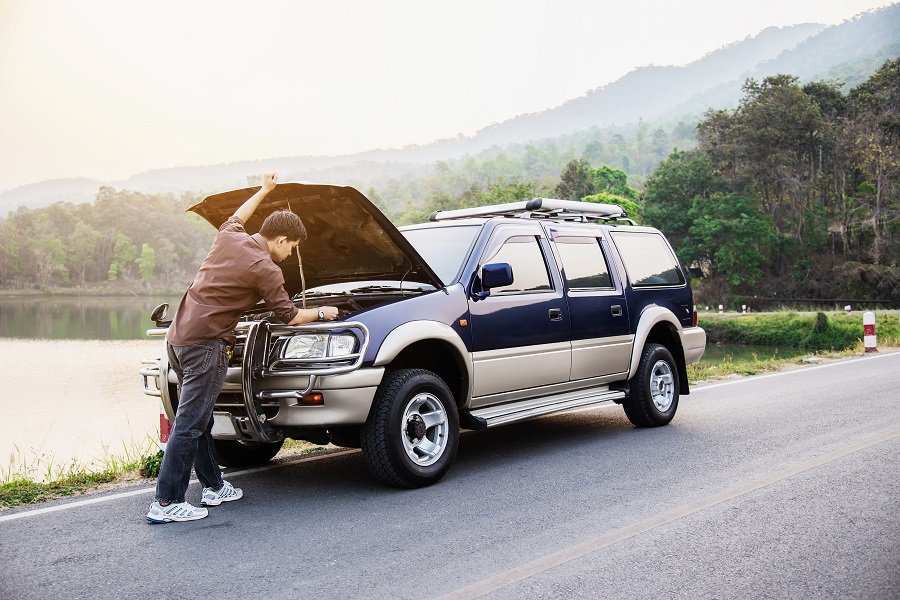
If you ever get stuck in a car breakdown on one of Adelaide’s highways, you’ll most likely find yourself stressed and uncertain of what to do. In addition to the safety risks involved in this situation, not being appropriately prepared can significantly affect how easily your car is taken care of. This guide aims to provide you with all the vital information you need to know if you ever unexpectedly get a breakdown on an Adelaide highway, from quick security measures to contacting appropriate additional services like an emergency tow truck.
1. Ensure Immediate Safety
Safety is the top priority when your car breaks down on a highway, especially when traffic is moving quickly around you. Here are the first things you should do:
- Move Your Car Off the Road, if Possible: If you sense your car is losing power or experiencing mechanical issues, safely steer it towards the shoulder or an emergency lane, if available. The further you are from moving traffic, the safer you will be.
- Turn on Hazard Lights: Switching on your hazard lights immediately alerts other drivers that your vehicle is stationary and helps prevent accidental collisions.
- Use Reflective Warning Triangles or Flares: If you have them, place reflective triangles or flares around your car, particularly at night. These help drivers see your vehicle from a distance and give them time to adjust their route.
Also Read:-The Most Common Towing Scenarios in Adelaide: From Accidents to Flat Tires
2. Stay Inside the Car or Maintain a Safe Distance
Staying inside your vehicle with your seatbelt fastened is often the safest place, especially if you’ve managed to pull over onto a shoulder. Adelaide’s highways have high-speed traffic, which poses serious risks if you’re standing outside. However, if you’re in an unsafe position close to traffic and need to leave the vehicle, exit from the passenger side and stay as far from the road as possible.
3. Evaluate the Situation
Once you’re safe, take a moment to assess what went wrong. Common breakdown issues can range from a flat tire or dead battery to more severe mechanical problems. Knowing what you’re dealing with helps you communicate more effectively when you call for roadside assistance or a tow truck.
- Flat Tire: Look for a flat or blown-out tire. If you’re on a wide shoulder, you may be able to change the tire yourself if you feel confident.
- Battery Issues: A completely dead battery may prevent the car from starting altogether. If you have jumper cables and another car nearby, a quick jump-start could solve the problem temporarily.
- Engine Trouble: If the car’s engine suddenly stopped or is overheating, avoid attempting to restart it. Continuing to drive could damage the engine further, making a tow necessary.
- Fuel: Running out of fuel on the highway is surprisingly common. Check your fuel gauge and, if low, contact roadside assistance or a tow truck to bring fuel.
4. Call for Roadside Assistance or Emergency Tow Truck Services
For car breakdowns in Adelaide, contacting professional roadside assistance or an emergency tow truck is crucial. Quick response tow trucks are available throughout the area, and many services operate 24/7 to help stranded drivers. Here’s how to choose the right service for your needs:
- Roadside Assistance Services: If you have a subscription to a roadside assistance service like the RAA, contact them directly. They can help with simple fixes such as jump-starting a battery, changing a flat tire, or bringing a small amount of fuel.
- Emergency Tow Trucks in Adelaide: When the problem requires professional towing, Adelaide has several reputable emergency tow truck services. Look for one that can provide a quick response time and knows the local highways well, as this can minimize your wait.
- Provide Detailed Location Information: When calling a tow truck, share your exact location. Use landmarks, exit numbers, or even map coordinates from your phone to make it easier for the tow truck driver to locate you.
5. Communicate With Your Tow Service
Clear communication with your tow truck company can speed up their response. Explain the issue as best you can and inform them if you’re in a particularly hazardous spot on the highway. Adelaide’s emergency tow truck operators are experienced with local highways, so they’ll usually have the quickest routes and methods for safe and efficient towing.
- Ask for an Estimated Time of Arrival: Understanding how long you’ll be waiting can help you plan accordingly. During this time, stay in a safe position, and, if needed, contact family or friends to let them know where you are.
- Inquire About Additional Services: Many tow truck companies also offer minor mechanical help like refueling or jump-starting a battery. This information can be helpful if you’re not sure whether your car needs a full tow.
6. Be Aware of the Legal Guidelines and Costs of Towing on Adelaide’s Highways
If your vehicle needs to be towed off Adelaide’s highways, knowing the legal guidelines and general costs can help avoid misunderstandings later:
- Towing Fees: Most emergency tow truck services have set fees based on mileage, time of day, and the complexity of the tow. Be prepared to pay higher fees during peak hours or if your car needs towing over a long distance.
- Legal Requirements: In South Australia, specific laws apply to vehicles that break down on highways. Failing to move your car from the road within a reasonable time can result in fines. By using a professional towing service, you can ensure compliance with these regulations and avoid penalties.
- Insurance Coverage: Many comprehensive auto insurance policies include roadside assistance or towing coverage, which could help offset the cost. Check with your insurance provider beforehand so you’re aware of any available coverage.
7. Wait Safely Until Help Arrives
While you’re waiting for assistance, staying safe should be your primary focus. Here are some tips to keep in mind during this time:
- Stay Inside the Car: As mentioned, staying inside with your seatbelt on is generally safest, especially if traffic is moving quickly nearby.
- Avoid Accepting Help from Strangers: Though most people have good intentions, it’s safer to wait for your tow truck or roadside assistance professional.
- Stay Visible: If you must exit the vehicle, wear reflective gear if you have any and avoid standing in any area where you’re not easily visible to oncoming traffic.
8. Prevent Future Breakdowns With Regular Maintenance
While a car breakdown on a busy highway can happen to anyone, maintaining a regular vehicle service schedule can minimize the risk of it happening again. Here are a few maintenance tips to keep your vehicle highway-ready:
- Regular Inspections: Get your car’s engine, transmission, and other essential parts inspected every six months. Identifying early signs of trouble can prevent more severe breakdowns.
- Battery Health: A weak or old battery is one of the most common reasons for highway breakdowns. Check your battery regularly, especially before long trips, to ensure it has adequate charge and is in good working condition.
- Check Fluids: Low coolant levels can lead to overheating, especially in the hot Adelaide summers. Regularly check and top up engine oil, coolant, and other fluids.
- Tire Maintenance: Worn or under-inflated tires increase the risk of a blowout on the highway. Make it a habit to check tire pressure regularly and replace tires as soon as they show signs of significant wear.
9. Be Prepared With an Emergency Kit
An emergency kit is a practical solution for unexpected breakdowns, especially on highways. Include items like:
- Reflective Warning Triangles and High-Visibility Vest: These improve your visibility to other drivers, reducing the risk of an accident.
- Jumper Cables and a Portable Battery Charger: If your car won’t start, jumper cables or a portable charger can be invaluable.
- First-Aid Kit: In case of minor injuries, a first-aid kit provides immediate relief until medical assistance is available.
- Basic Repair Tools: Simple tools like a tire inflator, wrench, and screwdriver can help with minor repairs if you’re comfortable using them.
Conclusion
Breaking down on Adelaide’s highways is an inconvenience no driver wants, but understanding what to do in the event of a breakdown can help keep you safe and get you back on the road faster. By following these steps—ensuring immediate safety, evaluating the problem, and contacting an emergency tow truck service—you can minimize stress and risk during a breakdown. Proper preparation, such as maintaining your vehicle and carrying an emergency kit, further helps you handle these situations confidently.