Towing across Australia—whether it’s a caravan to the Daintree, a boat to the Gippsland Lakes, or a trailer of gear to the Kimberley—relies on more than just a strong engine and a sturdy hitch. Hidden inside your wheels, wheel bearings play a quiet but critical role. These unsung components keep your rig rolling smoothly, safely, and efficiently.
At Tow Expert, we’ve towed through every corner of this sunburnt country, and we know that wheel bearings can make or break your journey. Based in Australia, we’re here to unpack what wheel bearings are, why they matter in towing, and how to keep them in top shape for 2025. Ready to roll? Let’s dig in!
What Are Wheel Bearings, Anyway?
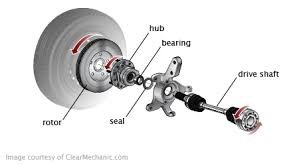
Wheel bearings are small but mighty. They’re sets of steel balls or rollers housed in a metal ring (called a race), tucked inside your vehicle’s or trailer’s wheel hubs. Their job? To reduce friction between the spinning wheel and the stationary axle, letting your wheels turn effortlessly.
- Types: Ball bearings (common in cars) and tapered roller bearings (tougher, often in trailers).
- Location: Inside each wheel hub, sealed or packed with grease.
- Purpose: Support weight, enable rotation, and absorb road shocks.
For towing, they’re the linchpin between your loaded rig and the road. At Tow Expert, we’ve seen how these tiny parts handle massive loads—think a 3,000 kg caravan on a Nullarbor haul.
Why Wheel Bearings Matter in Towing
Towing isn’t a Sunday drive. It piles extra weight, heat, and stress onto your vehicle and trailer, pushing wheel bearings to their limits. Here’s why they’re a big deal:
1. They Carry the Load
Every kilo of your trailer—gear, water, bikes—rests on those bearings. Standard car bearings might handle a sedan, but towing demands heavy-duty ones built for the strain.
Aussie Example: Towing a camper to Coober Pedy? Bearings shoulder the Outback’s heat and your rig’s weight without flinching.
2. They Keep You Stable
Wobbly wheels spell trouble when towing. Bearings ensure smooth, aligned rotation, preventing sway or vibration—vital on windy Tasmanian highways or gravelly bush tracks.
Why It Matters: A shaky trailer on the Hume Highway isn’t just annoying—it’s dangerous. Strong bearings keep you steady.
3. They Fight Heat and Friction
Towing generates heat—fast speeds, heavy loads, and hot Aussie asphalt turn wheel hubs into ovens. Quality bearings, packed with grease, dissipate heat and cut friction, avoiding meltdowns.
Scenario: A Cairns-to-Cape York haul in summer? Bad bearings overheat and seize—good ones keep rolling.
4. They Boost Safety
Failing bearings don’t just slow you down—they can lock a wheel, snap an axle, or send you skidding. For towing families, that’s a risk not worth taking.
Real-World Risk: Imagine a bearing blowing out mid-trip on the Great Eastern Highway—safety hinges on these little guys.
5. They Save Your Wallet
Well-maintained bearings last years. Neglect them, and you’re replacing hubs, axles, or even tires after a failure. Preventive care beats roadside repairs every time.
Pro Tip: Stock up on bearing kits at Tow Expert to avoid costly breakdowns.
How Wheel Bearings Work Under Towing Stress
Towing amplifies every force on your bearings:
- Weight: A 2,500 kg trailer doubles the load they bear.
- Heat: Friction from long hauls—like Sydney to Perth—builds up fast.
- Shock: Potholes on the Tanami Track jolt bearings hard.
- Water: Coastal towing (e.g., Broome) risks saltwater corrosion in trailer bearings.
Heavy-duty tapered roller bearings, common in trailers, handle this better than car-grade ball bearings. Their angled design spreads load and resists wear, making them towing champs.
Signs Your Wheel Bearings Need Attention
Catch issues early to avoid disaster. Listen and feel for these red flags:
- Grinding or Rumbling: A low growl from the wheels means bearings are worn.
- Play in the Wheel: Grab the tire and wiggle—movement signals loose or failing bearings.
- Heat: After a tow, touch the hub. Too hot to hold? Trouble’s brewing.
- Uneven Tire Wear: Worn bearings misalign wheels, chewing up tread.
- High-Pitched Whine: Early wear often squeals—don’t ignore it.
Aussie Scenario: Hear a rumble towing to Byron Bay? Pull over and check—don’t risk a blowout on the Pacific Highway. Need parts? Tow Expert has you covered.
Maintaining Wheel Bearings for Towing Success
Bearings aren’t “set and forget.” Here’s how to keep them humming:
1. Regular Inspection
Check every 6 months or 10,000 km—more if towing often. Jack up the wheel, spin it, and feel for roughness. Look for grease leaks or rust around the hub.
Tip: Before a big haul—like Melbourne to Alice Springs—inspect first.
2. Repack with Grease
Grease is a bearing’s lifeline, reducing friction and heat. For trailer bearings (unsealed):
- Clean: Remove old grease with solvent—dirt kills bearings.
- Repack: Use high-temp wheel bearing grease (marine-grade for coastal towing).
- Seal: Replace seals to lock out water and dust.
Frequency: Every 12 months or 20,000 km. Get grease kits at Tow Expert.
3. Adjust Tension
Tapered bearings need proper preload—too tight, they overheat; too loose, they wobble. Tighten the castle nut to spec (check your manual), then back off slightly until the wheel spins freely with no play.
Why It Matters: A loose bearing on a Gibb River Road tow shakes itself apart.
4. Replace When Worn
If bearings are pitted, scored, or noisy after greasing, swap them out. Always replace the race too—they wear together. DIY or visit Tow Expert for pro fitting.
Cost-Saver: Catch it early—new bearings are cheaper than new hubs.
5. Protect from Water
Submerged a trailer axle at a boat ramp? Water seeps past seals, washing out grease. After a dip, repack bearings ASAP—saltwater’s especially brutal.
Aussie Insight: Launching at Port Stephens? Dry and regrease that day.
Top Wheel Bearing Picks for Towing in 2025
Need replacements? Here are five towing-ready options at Tow Expert:
1. Timken Tapered Roller Bearings
Best For: Heavy trailers
Load Capacity: Up to 2,000 kg/axle
Key Features: Precision fit, heat-resistant
Trusted for big caravans—like a cross-country haul to Broome.
2. SKF Marine-Grade Bearings
Best For: Boat trailers
Load Capacity: Up to 1,500 kg/axle
Key Features: Corrosion-proof, sealed
Perfect for salty Queensland ramps—water won’t touch these.
3. NTN Heavy-Duty Bearings
Best For: Off-road towing
Load Capacity: Up to 1,800 kg/axle
Key Features: Shock-resistant, durable
Built for rugged runs like the Oodnadatta Track.
4. Koyo Ball Bearings
Best For: Light towing
Load Capacity: Up to 1,000 kg/axle
Key Features: Smooth, affordable
Great for small campers or jet skis—shop at Tow Expert.
5. FAG High-Performance Bearings
Best For: Long hauls
Load Capacity: Up to 2,500 kg/axle
Key Features: Low friction, long life
Ideal for a Perth-to-Sydney tow—quiet and reliable.
Wheel Bearings and Towing: Aussie Challenges
Our roads test bearings hard:
- Heat: 40°C days on the Barkly Highway cook grease dry.
- Dust: Red dirt from the Strzelecki Track clogs hubs.
- Water: Coastal towing in WA risks rust.
- Distance: Long hauls—like Adelaide to Darwin—wear bearings fast.
Heavy-duty, well-maintained bearings rise to the challenge. Need advice? Tow Expert knows Aussie towing inside out.
Why Buy from Tow Expert?
At Tow Expert, we’re your towing partners:
- Local Expertise: We tackle Australia’s toughest conditions.
- Quality Parts: Timken, SKF, and more, in stock.
- Fast Shipping: Delivered anywhere in Oz, pronto.
- Support: Questions? Our team’s here to help.
Aussie Towing Trips to Test Your Bearings
Gear up and go:
- Cape Leveque, WA: Sand and heat demand tough bearings.
- Snowy River, VIC: Cold, wet roads test seals.
- Birdsville Track, QLD: Dust and distance push limits.
Final Thoughts: Roll Smooth, Tow Safe
Wheel bearings might be small, but they’re mighty in towing. They carry your load, keep you stable, and fight the elements—so treat them right. From maintenance to replacements, Tow Expert has everything to keep you moving in 2025.
Visit Tow Expert today and tow with confidence. Happy trails, Australia!
Frequently Asked Questions (FAQs)
1. How often should I check wheel bearings for towing?
Inspect every 6 months or 10,000 km—more if towing heavy loads. Spin wheels for noise or play. Get bearing kits at Tow Expert to stay road-ready.
2. What happens if wheel bearings fail while towing?
Failed bearings can lock wheels, snap axles, or cause sway—risking accidents. A rumbling noise is a warning. Replace them fast with parts from Tow Expert.
3. Can I tow with worn wheel bearings?
No—worn bearings overheat, seize, or break, endangering your rig. Check for grinding or wobble before trips. Shop durable replacements at Tow Expert for safety.
4. Do trailer wheel bearings need different care than car ones?
Yes, trailer bearings face vertical loads and water exposure—like boat ramps. Repack grease yearly, use marine-grade for coastlines. Find supplies at Tow Expert.
5. How do I know which wheel bearings fit my trailer?Match size and type (ball or roller) to your hub—check the manual or old bearing’s number. Tow Expert offers expert advice and compatible options.