When it comes to towing heavy loads, safety should always be your top priority. Whether you’re hauling a boat, caravan, or heavy equipment, the importance of reliable braking systems cannot be overstated. Among the various types of trailer brakes available, electric trailer brakes stand out as a must-have for anyone towing heavy loads. In this comprehensive guide, we’ll delve into why electric trailer brakes are essential, how they work, and why they are the best choice for ensuring safety and control on the road.
Introduction to Electric Trailer Brakes
Electric trailer brakes are a type of braking system specifically designed for trailers. Unlike traditional braking systems that rely on mechanical or hydraulic mechanisms, electric trailer brakes use an electric current to activate the brakes. This system is integrated with the tow vehicle’s braking system, allowing for synchronized braking between the vehicle and the trailer.
Electric trailer brakes are particularly beneficial for heavy loads, where the additional weight can significantly impact the stopping distance and overall control of the vehicle. By providing an additional layer of braking power, electric trailer brakes help ensure that both the tow vehicle and the trailer come to a safe and controlled stop.
How Electric Trailer Brakes Work
Electric trailer brakes operate through a combination of electrical and mechanical components. Here’s a step-by-step breakdown of how they work:
- Brake Controller: The system starts with a brake controller installed in the tow vehicle. This device sends an electric signal to the trailer brakes when the driver applies the vehicle’s brakes.
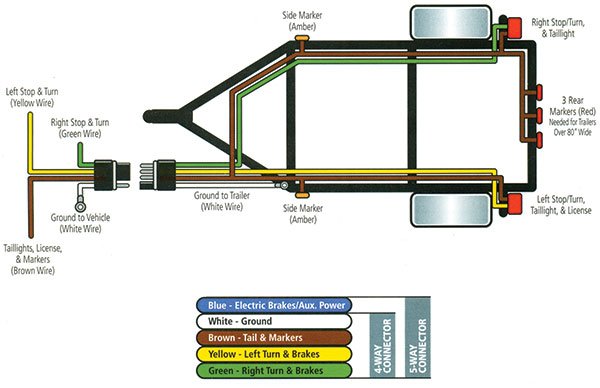
- Electric Signal Transmission: The brake controller sends an electric current through the wiring harness to the trailer’s brake assemblies.
- Activation of Brake Magnets: The electric current activates electromagnets within the trailer’s brake assemblies. These magnets create a magnetic field that pulls on the brake shoes or pads.
- Application of Braking Force: The magnetic force causes the brake shoes or pads to press against the brake drums or rotors, generating friction that slows down or stops the trailer.
- Synchronization with Tow Vehicle: The entire process is synchronized with the tow vehicle’s braking system, ensuring that both the vehicle and the trailer brake simultaneously.
This seamless integration allows for precise control over the braking force, making electric trailer brakes highly effective for heavy loads.
Benefits of Electric Trailer Brakes for Heavy Loads
Enhanced Safety
One of the most significant advantages of electric trailer brakes is the enhanced safety they provide. When towing heavy loads, the additional weight can make it challenging to stop the vehicle quickly. Electric trailer brakes add an extra layer of braking power, reducing the stopping distance and helping to prevent accidents.
Better Control and Stability
Electric trailer brakes offer superior control and stability, especially when navigating steep descents or making sudden stops. The synchronized braking system ensures that the trailer brakes are applied in proportion to the tow vehicle’s brakes, preventing the trailer from swaying or jackknifing.
Reduced Wear on Tow Vehicle Brakes
Towing heavy loads can put a significant strain on the tow vehicle’s braking system. Electric trailer brakes help distribute the braking force between the vehicle and the trailer, reducing wear and tear on the tow vehicle’s brakes. This not only extends the life of the vehicle’s braking system but also reduces maintenance costs.
Compliance with Legal Requirements
In many regions, electric trailer brakes are a legal requirement for towing heavy loads. By installing electric trailer brakes, you can ensure that your setup complies with local regulations, avoiding potential fines or legal issues.
Types of Electric Trailer Brakes
Drum Brakes
Drum brakes are the most common type of electric trailer brakes. They consist of a brake drum, brake shoes, and an electromagnet. When the brake controller sends an electric current, the electromagnet pulls the brake shoes against the drum, creating friction that slows down the trailer.
Pros:
- Cost-effective
- Reliable and durable
- Suitable for most towing applications
Cons:
- Can overheat under heavy use
- Require regular maintenance to prevent rust and wear
Disc Brakes
Disc brakes are a more advanced type of electric trailer brakes. They consist of a brake rotor, brake pads, and a caliper. When the brake controller sends an electric current, the caliper squeezes the brake pads against the rotor, generating friction that slows down the trailer.
Pros:
- Superior stopping power
- Better heat dissipation
- Less prone to overheating
Cons:
- More expensive than drum brakes
- May require more complex installation
Installation and Maintenance of Electric Trailer Brakes
Installation Process
Installing electric trailer brakes involves several steps:
- Choose the Right Brake System: Select the appropriate type of electric trailer brakes based on your towing needs and the weight of your trailer.
- Install the Brake Controller: Mount the brake controller in the tow vehicle and connect it to the vehicle’s electrical system.
- Mount the Brake Assemblies: Install the brake assemblies (drum or disc) on the trailer’s axles.
- Connect the Wiring Harness: Run the wiring harness from the brake controller to the trailer’s brake assemblies, ensuring all connections are secure.
- Test the System: Before hitting the road, test the electric trailer brakes to ensure they are functioning correctly.
Maintenance Tips
To keep your electric trailer brakes in optimal condition, follow these maintenance tips:
- Regular Inspections: Periodically inspect the brake components for signs of wear, rust, or damage.
- Clean the Brakes: Keep the brake assemblies clean to prevent dirt and debris from affecting performance.
- Check the Wiring: Ensure the wiring harness is intact and free from corrosion.
- Lubricate Moving Parts: Apply lubricant to moving parts to reduce friction and prevent wear.
- Replace Worn Components: Replace any worn or damaged brake components promptly to maintain braking efficiency.
Comparing Electric Trailer Brakes with Other Braking Systems
Hydraulic Surge Brakes
Hydraulic surge brakes use a hydraulic system to activate the trailer brakes. When the tow vehicle slows down, the trailer’s momentum pushes against a hydraulic actuator, which then applies the brakes.
Pros:
- No need for a brake controller
- Simple and reliable
Cons:
- Less precise control compared to electric brakes
- Can be less effective on steep descents
Inertia Brakes
Inertia brakes, also known as overrun brakes, rely on the trailer’s momentum to activate the brakes. When the tow vehicle slows down, the trailer pushes against a coupling, which then applies the brakes.
Pros:
- Simple and cost-effective
- No electrical components required
Cons:
- Limited braking power
- Not suitable for heavy loads
Common Myths About Electric Trailer Brakes
Myth 1: Electric Trailer Brakes Are Complicated to Install
While the installation process may seem daunting, electric trailer brakes are relatively straightforward to install, especially with the help of a professional. Many modern brake controllers come with detailed instructions, making the process easier for DIY enthusiasts.
Myth 2: Electric Trailer Brakes Are Expensive
While electric trailer brakes may have a higher upfront cost compared to other braking systems, they offer long-term savings by reducing wear on the tow vehicle’s brakes and providing better safety and control.
Myth 3: Electric Trailer Brakes Are Only for Heavy Loads
While electric trailer brakes are particularly beneficial for heavy loads, they can also enhance safety and control when towing lighter loads. They offer precise braking control, making them a versatile option for various towing applications.
Choosing the Right Electric Trailer Brakes for Your Needs
Factors to Consider
When selecting electric trailer brakes, consider the following factors:
- Trailer Weight: Choose brakes that are rated for the weight of your trailer.
- Towing Frequency: If you tow frequently, opt for high-quality brakes that can withstand regular use.
- Budget: Determine your budget and choose brakes that offer the best value for your money.
- Compatibility: Ensure the brakes are compatible with your trailer’s axle and wheel size.
Top Brands and Models
Some of the top brands and models of electric trailer brakes include:
- Dexter Axle: Known for their durable and reliable drum brakes.
- Kodiak: Offers a range of high-quality drum and disc brakes.
- Titan Disc Brakes: Specializes in high-performance disc brakes for heavy-duty applications.
Real-Life Scenarios: Why Electric Trailer Brakes Saved the Day
Scenario 1: Navigating Steep Descents
John was towing his boat down a steep mountain pass when he suddenly encountered a sharp curve. Thanks to his electric trailer brakes, he was able to maintain control and bring both the vehicle and the trailer to a safe stop, avoiding a potential accident.
Scenario 2: Sudden Stops in Heavy Traffic
Sarah was driving through heavy traffic when the car in front of her suddenly braked. Her electric trailer brakes kicked in immediately, allowing her to stop safely without causing a collision.
Scenario 3: Towing in Adverse Weather Conditions
Mike was towing his caravan in heavy rain when he hit a patch of slippery road. The synchronized braking provided by his electric trailer brakes helped him maintain stability and control, preventing the trailer from skidding.
Conclusion: Why Electric Trailer Brakes Are a Must for Heavy Loads
Electric trailer brakes are an essential component for anyone towing heavy loads. They offer enhanced safety, better control, and reduced wear on the tow vehicle’s brakes, making them a must-have for any serious tower. Whether you’re hauling a boat, caravan, or heavy equipment, electric trailer brakes provide the peace of mind and reliability you need to tackle any towing challenge.
At Tow Expert, we understand the importance of safety and performance when it comes to towing. That’s why we recommend electric trailer brakes for all heavy-load towing applications. With the right braking system in place, you can ensure a safe and smooth towing experience every time.
FAQs
1. What are electric trailer brakes?
Electric trailer brakes are braking systems for trailers that use an electric current to activate the brakes. They synchronize with the tow vehicle’s braking system, providing enhanced control and safety, especially when towing heavy loads.
2. Why are electric trailer brakes better for heavy loads?
Electric trailer brakes offer superior stopping power, reduce stopping distances, and distribute braking force between the tow vehicle and trailer. This ensures better control, stability, and safety when hauling heavy loads, preventing accidents and reducing wear on the tow vehicle’s brakes.
3. Can I install electric trailer brakes myself?
Yes, electric trailer brakes can be installed DIY with the right tools and instructions. However, for optimal performance and safety, it’s recommended to consult a professional or follow the manufacturer’s guidelines carefully during installation.
4. Do electric trailer brakes work in all weather conditions?
Yes, electric trailer brakes are designed to perform reliably in various weather conditions, including rain and snow. Their synchronized braking system ensures consistent performance, providing better control and stability even in adverse weather.
5. Are electric trailer brakes legally required?
In many regions, electric trailer brakes are mandatory for towing heavy loads above a certain weight. Check local regulations to ensure compliance, as using electric trailer brakes can help you avoid fines and ensure safer towing practices.