When you’re stuck in a muddy ditch, stranded on a rocky trail, or towing a vehicle across rugged Australian terrain, having the right recovery gear can make all the difference. At Tow Expert, we’ve seen it all—from Outback adventures gone awry to urban towing challenges. Two tools often come up in these scenarios: winches and tow hooks. But which one should you use, and when? This isn’t just a matter of preference—it’s about safety, efficiency, and getting the job done right.
In this ultimate guide, we’ll break down the differences between winches and tow hooks, explore their unique strengths, and help you decide which tool suits your needs. Whether you’re a weekend off-roader, a professional tower, or just someone who wants to be prepared, Tow Expert has you covered with expert insights tailored for Australia’s diverse landscapes. Let’s dive in!
What Are Winches and Tow Hooks? A Quick Overview
Before we get into the nitty-gritty, let’s define these two essential pieces of recovery equipment.
Understanding Winches
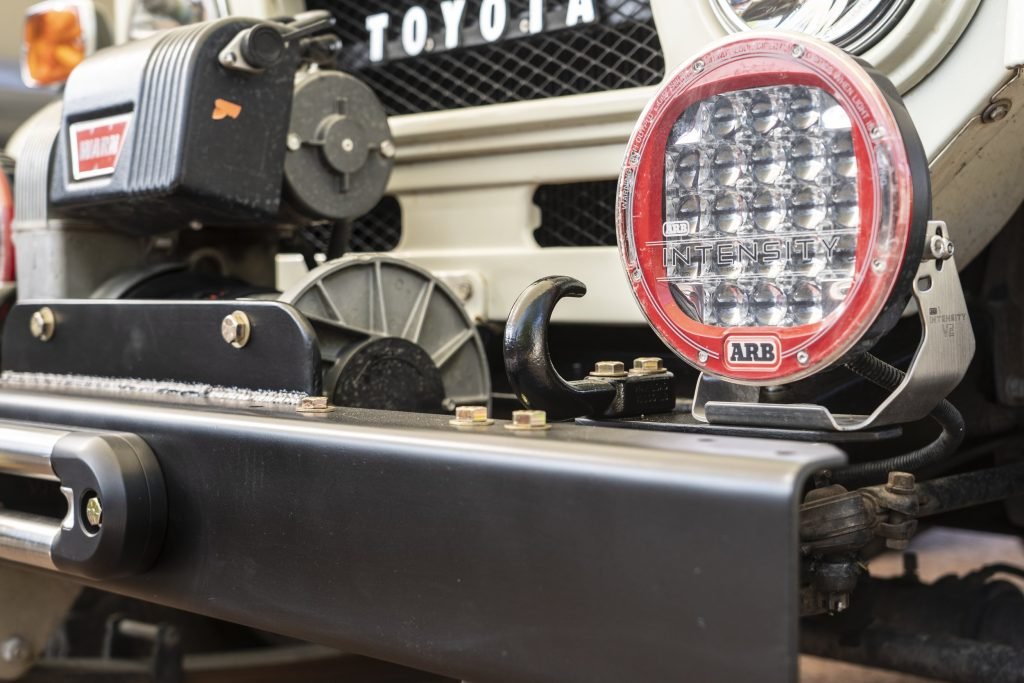
A winch is a mechanical device that uses a motor (electric, hydraulic, or manual) to pull a cable or rope wound around a drum. Mounted on a vehicle—typically a 4WD, truck, or tow rig—it’s designed to haul heavy loads, like a stuck vehicle, by anchoring to a solid object (e.g., a tree or rock). Winches come in various capacities, from light-duty 2,000-lb models to heavy-duty 12,000-lb beasts, making them versatile for everything from off-road recovery to industrial towing.
Understanding Tow Hooks
A tow hook, on the other hand, is a simpler tool: a sturdy metal loop or hook bolted to a vehicle’s frame or bumper. It serves as an attachment point for a tow strap, chain, or rope, allowing another vehicle to pull the stuck one free. Tow hooks don’t have moving parts or motors—they rely entirely on the pulling power of a second vehicle.
At Tow Expert, we’ve equipped countless rigs with both options, and we know each has its place. But how do you choose? Let’s explore their mechanics, use cases, and practical applications.
How Winches Work: Power and Precision
Winches are the heavy lifters of the recovery world. Here’s how they operate and why they’re a go-to for many Australian adventurers.
The Mechanics of a Winch
A winch’s core components include a motor, a drum, and a cable (usually steel or synthetic rope). When activated, the motor turns the drum, winding the cable to pull the load toward the winch. You anchor the cable to a fixed point—like a tree, rock, or recovery anchor—and let the winch do the work. Modern electric winches, powered by a vehicle’s battery, are the most common, though hydraulic winches (powered by a vehicle’s power steering pump) offer superior strength for professional towing.
Key Features of Winches
- Pulling Capacity: Measured in pounds (e.g., 9,500 lbs), this indicates how much weight the winch can handle. For safety, experts recommend choosing a winch with a capacity 1.5 times your vehicle’s weight.
- Cable Type: Steel cables are durable but heavy; synthetic ropes are lighter and safer if they snap.
- Control: Most winches come with a wired or wireless remote for operation from a safe distance.
When to Use a Winch
Winches shine in scenarios where precision and solo recovery are key. Imagine you’re exploring the Simpson Desert, and your 4WD sinks into soft sand. There’s no second vehicle in sight—just you, your rig, and endless dunes. A winch can pull you out by anchoring to a buried spare tire or a sand anchor. At Tow Expert, we’ve seen winches save the day in:
- Solo Off-Road Recovery: No need for a second vehicle.
- Steep Inclines: Controlled pulling up rocky hills or out of gullies.
- Heavy Loads: Moving fallen trees or towing immobilized trucks.
How Tow Hooks Work: Simplicity and Strength
Tow hooks are the unsung heroes of vehicle recovery—basic yet reliable. Here’s what makes them tick.
The Mechanics of a Tow Hook
A tow hook is a fixed attachment point, typically made of forged steel, designed to withstand immense pulling force. You connect a tow strap or chain to the hook, and a second vehicle provides the muscle to drag the stuck rig free. It’s a straightforward system with no motors or cables—just raw towing power.
Key Features of Tow Hooks
- Durability: High-quality tow hooks are rated for specific weight limits (e.g., 10,000 lbs).
- Ease of Installation: Bolted to factory mounting points or aftermarket bumpers.
- Compatibility: Works with straps, chains, or shackles for versatile towing.
When to Use a Tow Hook
Tow hooks are ideal when you’ve got a helping hand—or rather, a helping vehicle. Picture this: you’re towing a mate’s broken-down ute on a rural Queensland road. A tow hook and strap let you haul them to the nearest servo without fuss. Common scenarios include:
- Vehicle-to-Vehicle Towing: Moving a disabled car or truck.
- Quick Pulls: Freeing a rig stuck in shallow mud or gravel.
- Team Efforts: When two vehicles are available to share the load.
Winches vs. Tow Hooks: A Head-to-Head Comparison
Now that we’ve covered the basics, let’s stack winches and tow hooks against each other across key factors.
1. Power and Capacity
- Winches: Offer controlled, motorized pulling power. A 9,500-lb winch can handle most 4WDs, while heavier models tackle trucks and trailers.
- Tow Hooks: Rely on the towing vehicle’s power. Their capacity depends on the hook’s rating and the strap’s strength—often exceeding 10,000 lbs with the right setup.
Winner: Winches for precision; tow hooks for raw pulling potential with a strong tow vehicle.
2. Versatility
- Winches: Highly versatile—pull horizontally, vertically, or at angles. You can even use them to lower loads or drag obstacles.
- Tow Hooks: Limited to straight-line pulls by another vehicle. No solo capability.
Winner: Winches, hands down.
3. Ease of Use
- Winches: Require setup (anchoring, rigging) and some know-how to operate safely.
- Tow Hooks: Simple—attach a strap and go. Minimal learning curve.
Winner: Tow hooks for simplicity.
4. Cost
- Winches: Expensive, ranging from AUD $500 for entry-level models to $2,000+ for premium units, plus installation costs.
- Tow Hooks: Affordable, typically AUD $20–$100 per hook, with straps costing $30–$150.
Winner: Tow hooks for budget-conscious drivers.
5. Portability
- Winches: Heavy and fixed to your vehicle—moving them between rigs is impractical.
- Tow Hooks: Lightweight and detachable, though they’re usually bolted in place.
Winner: Tow hooks for portability.
Real-World Scenarios: Choosing the Right Tool
Let’s put theory into practice with some Aussie-inspired examples from Tow Expert’s experience.
Scenario 1: Outback Solo Adventure
You’re traversing the Gibb River Road in your LandCruiser when monsoon rains turn the track into a bog. Your rig’s bogged deep, and there’s no one around for miles. A tow hook won’t help without a second vehicle, but a winch can anchor to a nearby tree and haul you out. Choice: Winch.
Scenario 2: Urban Breakdown
Your mate’s Holden Commodore dies on the Hume Highway. Traffic’s whizzing by, and you need to tow it to a safe spot. A tow hook and strap let you quickly hitch up and move. A winch would be overkill here. Choice: Tow Hook.
Scenario 3: Coastal Cliff Rescue
Your 4WD slips off a sandy trail near Bells Beach, teetering on a steep drop. A tow hook risks jerking the vehicle dangerously, but a winch offers slow, controlled recovery. Choice: Winch.
Scenario 4: Farmyard Haul
You’re towing a trailer full of hay across your property in rural Victoria. The trailer’s axle snaps, and you need to drag it to the shed. A tow hook and your tractor get it done cheaply and efficiently. Choice: Tow Hook.
Safety First: Tips for Using Winches and Tow Hooks
At Tow Expert, safety is non-negotiable. Mishandling recovery gear can lead to snapped cables, damaged vehicles, or worse—injuries. Here’s how to use each tool safely.
Winch Safety Tips
- Wear Gloves: Protect your hands from cable splinters or rope burns.
- Use a Damper: Place a blanket or damper on the cable to reduce whip if it snaps.
- Stand Clear: Operate the winch from a safe distance using the remote.
- Check Anchor Points: Ensure your anchor (tree, rock) can handle the load.
Tow Hook Safety Tips
- Inspect Gear: Check the hook, strap, and attachment points for wear or damage.
- Avoid Jerking: Pull steadily to prevent snapping the strap or hook.
- Use Shackles: Connect straps with a D-shackle for added security.
- Communicate: Coordinate with the towing driver to avoid sudden moves.
Which Should You Choose? Factors to Consider
Your choice between a winch and tow hook depends on your lifestyle, vehicle, and budget. Here’s a decision-making checklist from Tow Expert:
Go for a Winch If:
- You often travel solo in remote areas (e.g., the Flinders Ranges or Cape York).
- You drive a heavy 4WD or truck needing serious pulling power.
- You’re willing to invest in a long-term recovery solution.
Go for a Tow Hook If:
- You mostly drive in urban or semi-rural areas with help nearby.
- You want a low-cost, low-maintenance option.
- You tow other vehicles regularly (e.g., trailers, caravans).
Why Not Both?
Many Tow Expert customers opt for both—a winch for solo missions and tow hooks as a backup. It’s the ultimate combo for peace of mind.
Top Picks from Tow Expert: Gear Recommendations
Need gear? Here are our top recommendations based on quality, durability, and value for Aussie conditions.
Best Winches
- Warn Zeon 10-S (10,000 lbs): Synthetic rope, rugged design—perfect for off-roaders.
- Runva 11XP (11,000 lbs): Affordable, reliable, and popular among tradies.
- Ironman 4×4 Monster (12,000 lbs): Heavy-duty option for serious towing.
Best Tow Hooks
- ARB Recovery Point: Rated to 8,000 lbs, built for 4WD punishment.
- TJMRated Tow Hook: Budget-friendly and tough as nails.
- Roadsafe Tow Hook: Aussie-made, ideal for everyday towing.
Visit Tow Expert to browse our full range and get expert fitting advice!
Maintenance Matters: Keeping Your Gear in Top Shape
To ensure your winch or tow hook is ready when you need it, follow these Tow Expert maintenance tips.
Winch Maintenance
- Clean the Cable: Rinse off mud and salt after use, especially in coastal areas like the Great Ocean Road.
- Lubricate: Apply grease to the gears annually.
- Test Regularly: Run the winch every few months to keep it operational.
Tow Hook Maintenance
- Check Bolts: Tighten mounting bolts and inspect for rust.
- Clean: Wipe off dirt and grime to prevent corrosion.
- Store Straps Properly: Keep tow straps dry and coiled to avoid fraying.
The Verdict: Winches vs. Tow Hooks
So, which is better? There’s no one-size-fits-all answer. Winches offer unmatched power and independence, making them essential for off-grid explorers tackling Australia’s wildest terrains. Tow hooks, with their simplicity and affordability, are perfect for quick, team-based recoveries or everyday towing tasks.
At Tow Expert, we believe the best choice reflects your driving habits and environment. Heading into the bush alone? A winch is your lifeline. Towing a mate’s car in the city? A tow hook gets it done. Whatever you choose, trust Tow Expert to supply, install, and support your recovery gear needs across Australia.
Ready to gear up? Visit Tow expert website or call our team today. Let’s keep you moving—no matter where the road takes you!
FAQs About Winches vs. Tow Hooks
1. What’s the main difference between a winch and a tow hook?
A winch is a motorized device that pulls a vehicle using a cable, while a tow hook is a fixed attachment point for a strap, relying on another vehicle’s power. Choose based on solo or team recovery needs.
2. Can I use a tow hook for off-road recovery?
Yes, a tow hook works for off-road recovery if another vehicle is available to pull. It’s simple and effective for quick pulls in mud or gravel, but lacks the solo capability of a winch in remote areas.
3. How do I know what winch size I need?
Select a winch with a pulling capacity 1.5 times your vehicle’s weight. For a 3,000-kg 4WD, a 9,500-lb winch is ideal. Tow Expert offers expert advice and fitting for Australian conditions—visit us today!
4. Are tow hooks safe for heavy towing?
Tow hooks are safe for heavy towing if rated for the load and paired with a strong strap or chain. Always inspect gear, avoid jerking, and use shackles. Trust Tow Expert for durable, Aussie-tested tow hooks.
5. Should I install both a winch and tow hooks?
Yes, combining both offers maximum versatility. A winch handles solo recoveries in the bush, while tow hooks excel for quick, vehicle-assisted pulls. Contact Tow Expert to equip your rig with the best of both!