When it comes to hauling heavy loads, whether you’re pulling a trailer, a boat, or another vehicle, understanding max towing capacity is crucial. The max towing capacity refers to the maximum weight a vehicle can safely tow. It’s a fundamental specification every driver should be familiar with, especially if you’re frequently transporting heavy cargo or trailers.
Towing capacity is an essential aspect to consider for anyone who owns a vehicle that will be involved in towing. It ensures not only the safety of the driver but also of other road users. Exceeding this towing limit can result in serious damage to the vehicle, compromised road safety, and potential legal issues.
Understanding towing capacity goes beyond just looking at numbers; it requires knowing how to calculate it, the various factors that affect it, and why it matters for your vehicle’s long-term performance. In this article, we’ll dive deep into all things related to towing capacity and explain how you can make sure you’re towing safely and within the capabilities of your vehicle.
What is Towing Capacity?
Towing capacity is the maximum weight that a vehicle is engineered to pull, carry, or tow. This includes factors such as the weight of the trailer or load, the vehicle’s engine strength, and the vehicle’s axle and transmission systems. Simply put, it’s a measure of how much weight your vehicle can handle without risking engine strain, mechanical failure, or compromising road safety.
For example, if your vehicle’s towing capacity is listed as 3,500 kg, it means you can safely tow up to 3,500 kg, including the weight of the trailer and its cargo. This rating is determined by the manufacturer based on various factors such as engine capacity, brake systems, suspension, and more.
It’s essential to know that towing capacity should never be exceeded. Doing so could lead to overheating of the engine, excessive wear on the transmission, and in extreme cases, complete failure of key vehicle systems. This not only compromises your safety but can also void warranties and increase the likelihood of accidents on the road.
How is Towing Capacity Determined?
Towing capacity is determined by vehicle manufacturers through rigorous testing and engineering calculations. Several factors influence this capacity, and each plays an important role in ensuring safe towing:
- Engine Power: The engine’s horsepower and torque determine how much weight it can pull. More powerful engines tend to have higher towing capacities, making it easier to haul heavy loads.
- Transmission and Drivetrain: A vehicle’s transmission and drivetrain play a pivotal role in determining how much weight the vehicle can tow. Vehicles equipped with automatic transmissions or all-wheel-drive (AWD) systems are typically better suited for towing.
- Suspension and Chassis Strength: The suspension system and chassis are designed to bear the weight of the towed load. A stronger suspension system will allow for higher towing capacity.
- Braking Systems: The braking system needs to handle the added weight of the trailer or load. Vehicles equipped with more robust brake systems, such as integrated trailer braking, typically have higher towing capacities.
- Axle Rating: The axles must be able to support the weight of the towing load. Higher-rated axles increase the towing capacity.
- Weight Distribution: Properly distributing the weight between the vehicle and the trailer is essential for safe towing. Improper weight distribution can affect a vehicle’s towing performance and stability.
- Vehicle Type and Design: The type of vehicle—whether it’s a sedan, SUV, truck, or van—also impacts its towing capacity. Trucks and SUVs often have higher towing capacities due to their larger engines, sturdier suspensions, and reinforced frames.
Each of these components is carefully calculated and tested by engineers during the design and production process, resulting in the official towing capacity rating for a given vehicle. Therefore, it’s essential to know these details before deciding what load to pull.
Types of Towing Capacities
There are several types of towing capacities you might encounter when researching your vehicle’s towing limits:
- Gross Trailer Weight (GTW): This is the total weight of the trailer and the cargo it carries. It includes the weight of the trailer itself and everything that is loaded onto it.
- Gross Combined Weight Rating (GCWR): This is the total weight of the vehicle and the trailer combined. It takes into account both the towing vehicle’s weight and the trailer’s weight.
- Tongue Weight: The tongue weight refers to the weight that is applied to the hitch or the point where the trailer attaches to the towing vehicle. Typically, this is about 10–15% of the total trailer weight.
- Maximum Towable Weight: This refers to the upper limit of what a vehicle can tow safely, including the weight of both the trailer and its cargo.
Understanding these distinctions will help you ensure you are within the safe towing limits. The numbers on your vehicle’s specifications or manual will often provide these values.
What Happens if You Exceed Towing Capacity?
Exceeding the max towing capacity can lead to several potential issues:
- Engine Strain and Damage: Overloading the towing vehicle puts significant stress on the engine, which can result in overheating, loss of power, and eventually engine failure.
- Brake Failure: The increased weight from an overloaded trailer demands greater braking power. If the brakes are not rated for the additional load, they can overheat and fail, increasing the risk of accidents.
- Transmission Damage: A transmission designed for a lower towing capacity can easily burn out under excessive strain, leading to expensive repairs or replacements.
- Safety Hazards: Overloaded vehicles can cause hazardous driving conditions. The added weight can impact the vehicle’s stability, increase stopping distances, and even result in loss of control during sudden maneuvers.
- Legal Consequences: In some areas, towing beyond the prescribed weight limit may lead to fines or legal action. Authorities enforce these limits for the safety of all road users.
Therefore, it’s essential to ensure you never exceed the maximum towing capacity of your vehicle to avoid these risks.
How to Calculate Towing Capacity
There are several steps to help you figure out the maximum towing capacity of your vehicle:
- Refer to the Owner’s Manual: The easiest way to find out your vehicle’s towing capacity is by checking the owner’s manual. Manufacturers list the recommended towing capacities there, including the maximum gross trailer weight (GTW) and gross combined weight rating (GCWR).
- Check the Vehicle’s Label: Many vehicles, especially trucks and SUVs, have a label or placard that lists the maximum towing capacity. This is typically located near the driver’s side door or in the engine compartment.
- Consider Additional Features: If you’ve upgraded your vehicle with towing packages, enhanced suspension, or additional drivetrain features, these can increase the maximum towing capacity. Always consult your dealership or manufacturer for these adjustments.
- Weigh the Trailer: To calculate how much weight you are towing, you should weigh your trailer and cargo separately. This will help you avoid exceeding the weight limit.
- Factor in Weight Distribution: Proper weight distribution ensures that your vehicle can handle the load evenly. Overloading one section of your vehicle or trailer can affect towing performance and safety.
By calculating your vehicle’s towing capacity and comparing it with the weight of the load you wish to tow, you can ensure you are staying within safe and recommended limits.
Why Towing Capacity is Important
Towing capacity is not just a number you should memorize; it’s a critical factor for your safety and the performance of your vehicle. The importance of knowing and respecting towing limits cannot be overstated:
- Safety: Ensuring you stay within your vehicle’s towing capacity helps maintain road safety for you, your passengers, and other drivers.
- Vehicle Longevity: Overloading your vehicle can cause excessive wear and tear on key components, reducing the lifespan of your vehicle.
- Performance: Vehicles that exceed their towing capacity struggle with acceleration, braking, and overall performance. Keeping within capacity allows your vehicle to perform optimally.
- Legal Compliance: Towing regulations and weight limits are enforced in many regions. Exceeding these limits can lead to fines and legal consequences.
TowExpert: Your Trusted Towing Partner in Alidade, Australia
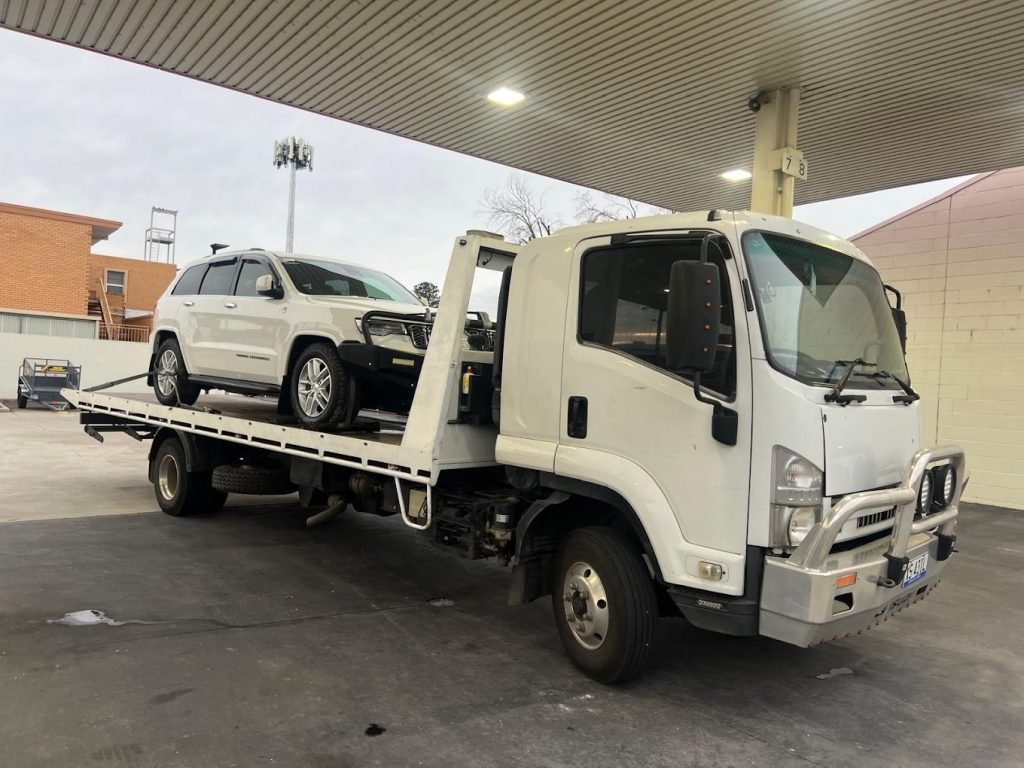
When you’re in need of towing services in Alidade, Australia, you can rely on TowExpert to meet your needs safely and efficiently. We understand the importance of knowing your vehicle’s towing capacity and the best practices when it comes to towing. Our experienced team is here to guide you in making the right choices for your towing requirements, whether you need roadside assistance, vehicle recovery, or heavy-duty towing.
At TowExpert, we specialize in offering tailored towing solutions to suit a variety of needs, from personal towing to commercial towing services. Whether you’re dealing with an emergency breakdown or need assistance transporting heavy loads, we have the expertise and equipment to handle it all.
Our team uses modern, high-quality tow trucks and equipment to ensure the safety and efficiency of the towing process. With TowExpert, you can rest assured that your vehicle will be treated with the utmost care.
Understanding Trailer Weight and Its Impact on Towing Capacity
When towing a trailer, one of the key components to consider is the trailer weight, which includes both the weight of the trailer itself and the load it carries. It’s crucial to know how much weight the trailer adds to your overall towing load, as this directly impacts the vehicle’s capacity. The total weight of the trailer should never exceed the Gross Trailer Weight (GTW) listed in your vehicle’s manual. If you plan on hauling large items, like boats or RVs, or need to transport heavy-duty equipment, it’s essential to weigh both the trailer and the cargo to determine if they fit within your vehicle’s towing limits.
Additionally, trailers come with different designs, configurations, and materials that can significantly impact their weight. A smaller utility trailer may weigh significantly less than a full-sized RV or boat trailer. Some trailers also feature specialized equipment like hydraulic systems or built-in ramps, which may add extra weight. For this reason, always account for every aspect of the trailer’s total weight to avoid underestimating the load you’re towing. If you’re unsure about your trailer’s weight, you can typically find its gross vehicle weight rating (GVWR) on a label or placard located on the trailer
The Role of Towing Accessories and Upgrades
To safely and efficiently tow large loads, many drivers opt to equip their vehicles with towing accessories and performance upgrades. These enhancements can improve your towing experience by increasing stability, boosting towing capacity, and ensuring that the vehicle can handle heavier weights more effectively. Some common towing upgrades include tow packages, brake controllers, sway control devices, and heavy-duty hitches.
A tow package typically includes an upgraded transmission cooler, reinforced suspension, and a stronger rear axle to increase the overall towing capacity of the vehicle. A brake controller helps maintain safe braking when towing a trailer by syncing the vehicle’s brake system with the trailer’s brakes. Sway control devices can minimize the risk of trailer sway, particularly during high winds or sudden lane changes. Investing in these towing accessories will not only help you reach higher towing capacities but also make your towing experience much safer and more comfortable.
Towing Safety: Best Practices to Follow
Towing isn’t just about knowing your vehicle’s limits; it also involves practicing good driving habits and maintaining your towing equipment properly. The best practices for safe towing go beyond just following weight limits—they also include ensuring your vehicle and trailer are well-maintained. Regularly checking the tire pressure, brake systems, and lights of both your vehicle and trailer is essential for safe towing. A poorly maintained trailer or vehicle can significantly increase the risk of accidents.
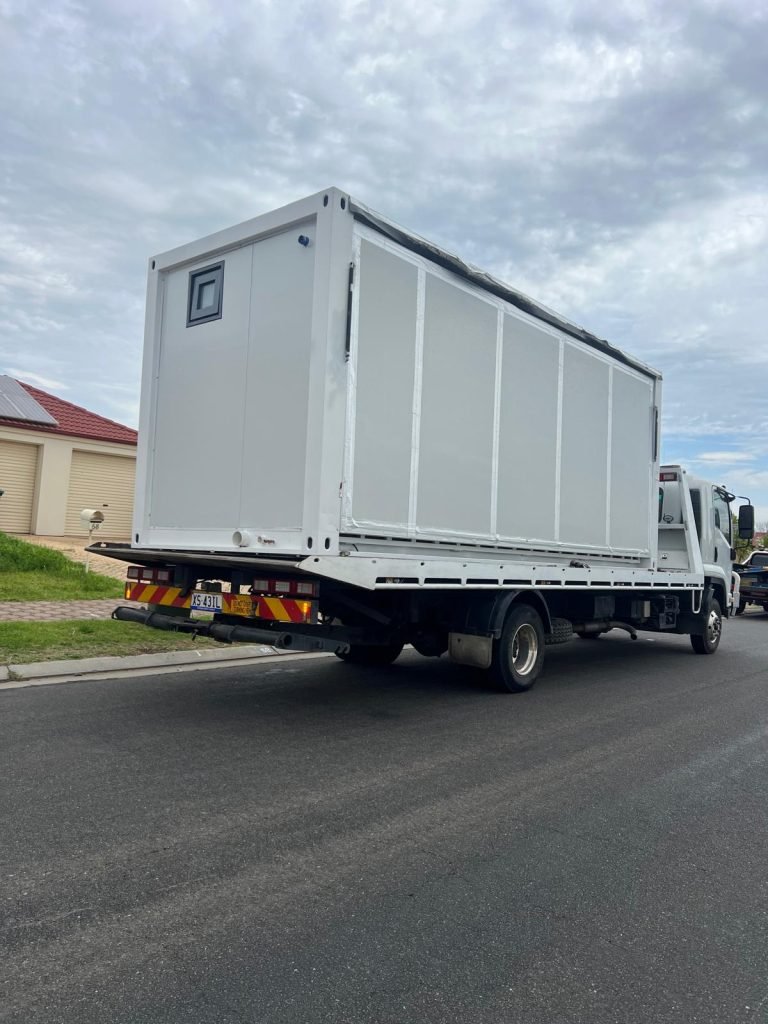
Additionally, always distribute the weight of the load properly. An unbalanced load can cause trailer sway, which can be dangerous, particularly when driving at high speeds or during turns. Ensure that heavier items are placed toward the front of the trailer, but not too close to the hitch. Too much weight at the front can cause strain on the towing vehicle’s rear axle and suspension. Keeping your load balanced and properly secured is key to maintaining stability on the road.
Choosing the Right Towing Service: TowExpert’s Expertise
When it comes to towing in Alidade, Australia, choosing the right service provider is just as important as knowing your towing limits. At TowExpert, we offer a full range of towing services designed to meet the unique needs of our clients, from everyday road assistance to more complex heavy-duty towing projects. Our team is trained in best practices and understands the complexities of different vehicles and trailers, ensuring that your towing experience is smooth and hassle-free.
We pride ourselves on our fleet of state-of-the-art tow trucks, which are equipped to handle any towing job, big or small. Whether you need a simple tow or require assistance with a large load, TowExpert has the right equipment and expertise to get the job done. Our commitment to safety, professionalism, and timely service ensures that your vehicle and cargo are in good hands. Whether you’re towing a car, boat, or an oversized load, trust TowExpert for all your towing needs in Alidade and the surrounding areas.
Also Read: – Do you need a brake controller to tow a trailer
Conclusion
Understanding max towing capacity is essential for any driver who regularly tows heavy loads. It ensures safety, vehicle longevity, and compliance with legal standards. With careful attention to towing specifications and professional guidance, you can tow with confidence, knowing your vehicle is operating within its limits.
For residents of Alidade, Australia, TowExpert offers comprehensive towing services that prioritize safety, reliability, and customer satisfaction. Always remember to check your vehicle’s towing capacity and never exceed the limits to avoid any potential damage or safety risks. Let TowExpert be your trusted partner for all towing needs in Alidade, and contact us today for reliable and professional towing assistance!