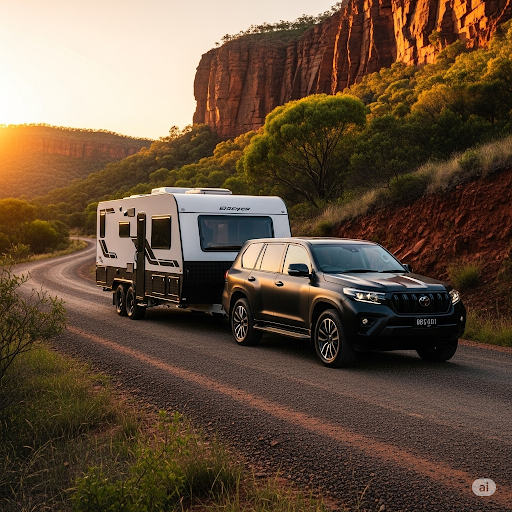
Picture this: you’ve just purchased your dream caravan, and you’re ready to explore Australia’s stunning landscapes. But as you stand in your driveway, looking at your vehicle hitched to this large, unfamiliar trailer, a wave of uncertainty washes over you. Don’t worry – every experienced caravanner has been exactly where you are right now.
Towing a caravan for the first time can feel overwhelming, but with proper preparation and knowledge, it becomes second nature. Whether you’re planning to explore the Great Ocean Road, venture into the Outback, or simply enjoy a weekend getaway to your local national park, understanding the fundamentals of caravan towing will ensure your journey is safe, legal, and enjoyable.
Understanding Your Vehicle’s Towing Capacity
Before you even think about hitching up, you need to understand your vehicle’s capabilities. Your car’s braked towing capacity is the maximum weight it can safely pull when the trailer has its own braking system – which all caravans in Australia must have if they weigh over 750kg.
Key Weight Considerations
Gross Vehicle Mass (GVM) is your loaded vehicle’s maximum allowable weight, including passengers, fuel, and cargo. Gross Trailer Mass (GTM) refers to your caravan’s maximum loaded weight. These figures aren’t suggestions – they’re legal limits that directly impact your safety and insurance coverage.
Your vehicle’s handbook will specify its maximum towing capacity, but remember that this assumes ideal conditions. Factors like steep gradients, headwinds, and hot weather can significantly affect your vehicle’s performance. As a rule of thumb, aim to tow no more than 85% of your vehicle’s stated capacity when towing a caravan for the first time.
Don’t forget about ball weight – the downward force your caravan exerts on your towbar. This typically ranges from 10-15% of your caravan’s total weight and affects your vehicle’s handling characteristics.
Essential Equipment for Safe Caravan Towing
Towbar Installation and Selection
A quality towbar is your most critical piece of equipment. In Australia, towbars must comply with Australian Design Rules (ADR) and be professionally installed by certified technicians. The installation process involves mounting brackets to your vehicle’s chassis and connecting electrical systems for trailer lights and brakes.
TOW EXPERT provides professional towbar installation services, ensuring your setup meets all Australian safety standards. Their experienced technicians can recommend the appropriate towbar class for your specific vehicle and towing requirements.
Electric Brake Controllers
If your caravan weighs over 2000kg, you’ll need an electric brake controller installed in your towing vehicle. This device allows you to control your caravan’s brakes independently and can be a lifesaver in emergency situations. The controller should be easily accessible to the driver and properly calibrated to your caravan’s braking system.
Safety Chains and Breakaway Systems
Safety chains provide a backup connection if your main coupling fails. They must be strong enough to handle your caravan’s full weight and should cross under the drawbar to create a cradle effect. Your caravan should also have a breakaway system that automatically applies the brakes if it becomes detached from your vehicle.
Pre-Journey Preparation and Checks
Loading Your Caravan Properly
Weight distribution is crucial for safe towing. Pack heavy items low and towards the front of your caravan, keeping the centre of gravity as low as possible. Avoid storing water in your front tank while travelling – this can create dangerous weight distribution changes as you use the water.
Create a pre-departure checklist that includes:
- Checking tyre pressures on both vehicle and caravan
- Ensuring all lights and indicators work correctly
- Verifying that your load is secure and properly distributed
- Testing your electric brakes
- Checking coupling security and safety chain connections
Understanding Australian Towing Laws
Each Australian state has specific regulations regarding caravan towing. Generally, you can’t exceed 100km/h when towing, and some states have lower speed limits for certain road types. Your combined vehicle and trailer length cannot exceed 19 metres for most licence categories.
If you’re planning interstate travel, familiarise yourself with each state’s specific requirements. Some regions have restrictions on when and where caravans can travel, particularly during peak holiday periods or on certain mountain passes.
Mastering the Art of Towing
Getting Started: Your First Drive
Start with short, familiar routes when towing a caravan for the first time. Choose quiet roads where you can practice without pressure from other traffic. Remember that your stopping distance will be significantly longer, and your acceleration will be reduced.
Take corners much wider than usual – your caravan’s wheels follow a tighter path than your vehicle’s wheels. This is called “cut-in,” and failing to account for it can result in hitting kerbs or other obstacles.
Highway Driving Techniques
On highways, maintain a larger following distance – at least four seconds behind the vehicle in front. Your caravan can be affected by side winds from passing trucks or natural wind conditions, so keep a firm grip on the steering wheel and be prepared for sudden movements.
When overtaking, remember that you need much more time and distance. Only attempt overtaking when you have a clear, long stretch of road ahead. Be patient – it’s better to arrive late than not at all.
Navigating Hills and Mountains
Australia’s diverse terrain means you’ll likely encounter steep grades. When climbing hills, don’t be afraid to use lower gears to maintain engine power and prevent overheating. On descents, use engine braking combined with gentle brake application to control your speed – never rely solely on your brakes.
If your vehicle starts to struggle on a climb, pull over safely when possible and let it cool down. Pushing an overheating engine can result in expensive damage and potentially dangerous situations.
Reversing and Parking Your Caravan
Reversing with a caravan is initially counterintuitive. When you turn your steering wheel left, your caravan goes right, and vice versa. Start with your hand at the bottom of the steering wheel – move your hand in the direction you want the caravan to go.
Practice in an empty car park with cones or markers. Start with gentle movements and remember that small steering inputs have big effects on your caravan’s direction. If you get into trouble, pull forward and start again rather than trying to correct a bad angle.
Many caravan parks have tight spaces and challenging access routes. Don’t hesitate to ask other caravanners for guidance – the community is generally very helpful and understanding of newcomers’ challenges.
Also Read:- How to Properly Store and Maintain Towing Accessories
Emergency Preparedness and Breakdown Procedures
Even with perfect preparation, emergencies can occur. Carry essential spare parts including fuses, light globes, and basic tools. A tyre pressure gauge and portable compressor are invaluable for maintaining proper tyre pressures throughout your journey.
If you experience problems while towing, TOW EXPERT’s emergency roadside assistance can provide professional help anywhere in Adelaide and surrounding areas. Their fleet includes specialised low-bed semi-trailer tow trucks designed specifically for caravan transportation, ensuring your pride and joy is handled safely.
Know the signs of common towing problems: excessive sway might indicate poor weight distribution or crosswinds, while unusual noises could signal bearing or brake issues. When in doubt, stop safely and investigate – it’s always better to be cautious.
Also Read:- Wheel Bearings: What They Are and Why They Matter in Towing
Building Confidence Through Experience
Towing a caravan for the first time is just the beginning of your journey. Each trip will build your confidence and skills. Start with shorter distances and gradually work up to longer adventures as you become more comfortable with your setup.
Join local caravan clubs or online communities where experienced towers share advice and support newcomers. Many clubs organise training days where you can practice manoeuvres in a safe, supervised environment.
Consider taking a caravan towing course if available in your area. These courses provide hands-on experience with qualified instructors and can significantly accelerate your learning curve.
Conclusion
Towing a caravan for the first time doesn’t have to be intimidating. With proper preparation, quality equipment, and gradual skill building, you’ll soon be confidently exploring Australia’s incredible destinations. Remember that every expert was once a beginner, and the caravan community is always willing to help newcomers learn the ropes.
The key is to start conservatively, practice regularly, and never compromise on safety. Your investment in proper equipment and professional installation will pay dividends in safety, reliability, and peace of mind.
Ready to start your caravan adventure? Contact TOW EXPERT for professional towbar installation, brake controller setup, or emergency roadside assistance. Their experienced team understands the unique challenges of Australian towing conditions and can ensure your setup is safe, legal, and ready for adventure.
Frequently Asked Questions
Q: What licence do I need for towing a caravan for the first time in Australia?
Generally, a standard car licence allows you to tow caravans up to 4.5 tonnes GTM. However, specific requirements vary between states, so check your local regulations before travelling.
Q: How fast can I drive when towing a caravan?
Maximum speed when towing is typically 100km/h on highways, but can be lower on certain roads. Always check state-specific regulations and adjust for conditions.
Q: Do I need electric brakes when towing a caravan for the first time?
Yes, caravans over 750kg must have brakes, and those over 2000kg require electric brakes with a controller in your vehicle for Australian compliance.
Q: How do I prevent caravan sway while towing?
Proper weight distribution, appropriate tyre pressures, suitable vehicle speed, and quality weight distribution hitches help prevent sway. Avoid sudden movements and maintain steady speeds.
Q: Can TOW EXPERT help if my caravan breaks down while travelling?
Yes, TOW EXPERT provides 24/7 emergency roadside assistance with specialised caravan towing equipment, ensuring safe transportation to your preferred destination or their secure holding yard.