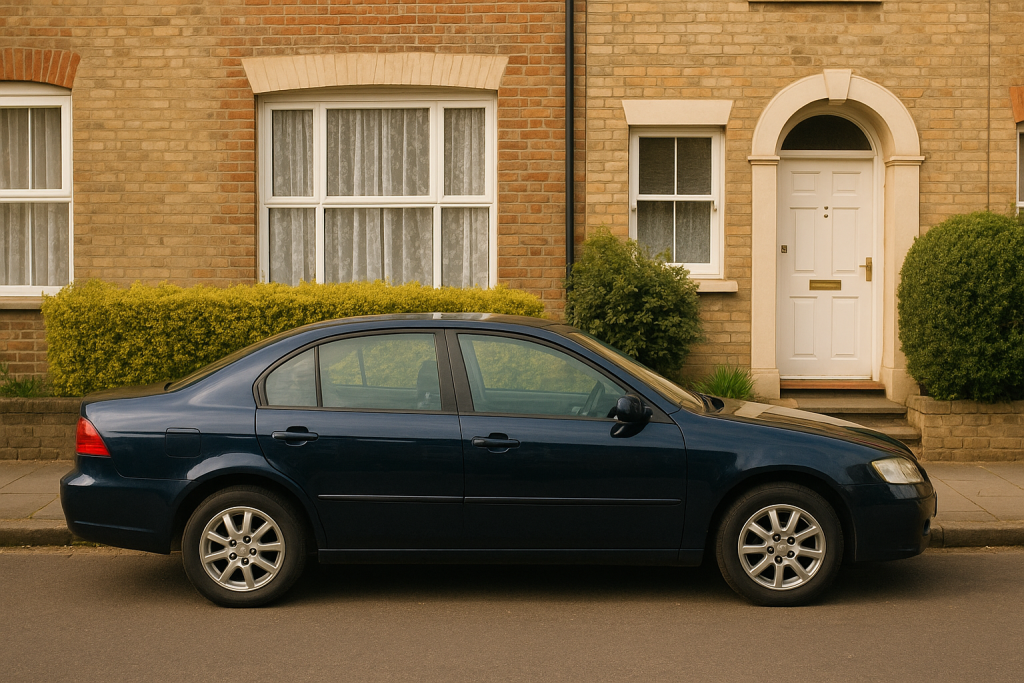
Picture this: you’ve had a long day at work, you’re pulling into your driveway, and there it is again that same car parked in front of my house that’s been sitting there for days.
Your blood pressure starts to rise. You’re wondering if you can legally do anything about it. And most importantly, you want to know your rights as a homeowner. If this scenario sounds familiar, you’re definitely not alone. Thousands of Australians deal with inconsiderate parking situations every single day, and the frustration is real.
This guide will walk you through everything you need to know about dealing with vehicles parked outside your property, your legal options, and when professional help might be your best bet.
Understand the key differences between Heavy & Light Towing to choose the right service for your vehicle’s needs.
Understanding Your Property Rights in Australia
Before we dive into solutions, let’s get one thing straight: the road in front of your house isn’t actually yours. That’s right even though you might feel territorial about “your” parking spot, the street is public property managed by your local council.
However, this doesn’t mean you’re completely powerless when someone parks inconsiderately outside your home.
What You Actually Own vs. Public Space
Your property typically includes:
- Your driveway and garage
- The area within your property boundaries
- Sometimes a small strip of nature strip (varies by council)
Public space includes:
- The road surface
- Parking bays marked by council
- Most nature strips and footpaths
Understanding this distinction is crucial because it determines what actions you can legally take.
When Is a Car Parked in Front of Your House Actually Illegal?
Not every parking situation outside your home is a legal issue, but some definitely are.
Here’s when you can legitimately complain:
Clear Legal Violations
1. Blocking Your Driveway This is the big one – nobody has the right to block your driveway access, even partially. If you can’t get your car in or out safely, that’s illegal parking.
2. Overstaying Council Time Limits Many residential streets have time restrictions (like 2-hour limits). If someone’s been parked there longer than allowed, they’re breaking parking laws.
3. Parking Without Permits In permit-only zones, vehicles without proper permits are illegally parked. This is common in busy suburban areas near shops or transport hubs.
4. Dangerous Positioning Cars parked too close to corners, fire hydrants, or bus stops create safety hazards and are typically illegal.
Frustrating But Legal Situations
Unfortunately, some annoying parking situations are completely legal:
- Long-term parking on unrestricted streets
- Taking “your usual spot”
- Parking close to (but not blocking) your driveway
- Using the space for legitimate purposes during allowed hours
Step-by-Step: What to Do About Illegally Parked Cars
When you’ve confirmed the parking is actually illegal, here’s your action plan:
Step 1: Document Everything
Take photos with timestamps showing:
- The vehicle’s position relative to your driveway
- Any relevant signage (time limits, permit requirements)
- License plate numbers
- How the parking affects your property access
This evidence will be crucial if you need to escalate the situation.
Step 2: Contact Your Local Council
Most councils have dedicated parking enforcement teams.
Call the council’s parking hotline or report online:
- Provide vehicle details (make, model, color, rego)
- Explain exactly how parking laws are being violated
- Include your documentation
Response times vary, but councils typically investigate within 24-48 hours for driveway blockages.
Step 3: Police Involvement (When Necessary)
Police generally only get involved in parking disputes when:
- Your driveway is completely blocked and council can’t respond quickly
- The situation involves harassment or threats
- The vehicle appears abandoned or stolen
Call the non-emergency police line rather than 000 unless it’s a genuine emergency.
Step 4: Know When to Call Professional Help
Sometimes you need immediate assistance, especially if:
- You’re blocked in and need to leave urgently
- The illegally parked vehicle is causing safety hazards
- Council response times are too slow for your situation
Find out whether Towing Companies Have to Notify You Before Towing Your Vehicle and what your rights are in such situations.
Dealing with Repeat Offenders and Neighbourhood Parking Issues
The person who parks inconsiderately once might be having a bad day. The person who does it repeatedly? That’s a different story.
Building a Case Against Chronic Offenders
Keep detailed records:
- Dates and times of violations
- Photos of each incident
- Any interactions with the vehicle owner
- Council complaint reference numbers
This documentation proves the behaviour is ongoing rather than isolated.
Talking to Your Neighbours
Sometimes the best solution is the simplest one – a friendly conversation.
Approach respectfully:
- Explain how their parking affects you
- Suggest alternative parking options nearby
- Avoid accusations or aggressive language
Many parking disputes resolve quickly once people understand the impact of their actions.
When Neighbour Disputes Escalate
If talking doesn’t work, you have options:
- Mediation services through your local council
- Community justice centres for dispute resolution
- Formal complaints if harassment occurs
Remember, parking wars with neighbours can quickly spiral out of control and affect your quality of life for years.
Abandoned Vehicles and Long-Term Parking Problems
That car that’s been sitting motionless for weeks? It might be considered abandoned.
Signs a Vehicle is Abandoned
- Flat tires, broken windows, or visible damage
- Thick layer of dust, leaves, or debris
- Registration that’s clearly expired
- No response when council places warning notices
Reporting Abandoned Vehicles
Councils take abandoned vehicles seriously because they:
- Create eyesores in residential areas
- Can attract vandalism or become fire hazards
- Take up valuable parking spaces long-term
The removal process typically takes 2-4 weeks after initial reporting, as councils must follow legal procedures to identify and contact owners.
How Tow Expert Helps Adelaide Residents with Parking Emergencies
When you’re dealing with urgent parking situations that affect your daily life, professional towing services become invaluable.
Tow Expert understands the frustration Adelaide residents face with parking issues better than most.
Here’s how their expertise makes a difference:
With over 55 positive reviews and a reputation for fast, reliable service, they’ve helped countless locals navigate tricky parking situations. Their experienced team knows Adelaide’s parking regulations inside and out, so they can quickly assess whether a towing situation is legally justified.
What sets them apart:
- 24/7 emergency response – because parking emergencies don’t wait for business hours
- 30-minute average response time – when you’re blocked in and need to get to work
- Transparent pricing – no surprise fees when you’re already stressed about parking issues
- Professional, qualified drivers who handle every situation with care
Their tilt tray towing services safely handle everything from small hatchbacks to large 4WDs, ensuring no damage occurs during vehicle removal.
Most importantly, they only provide towing services when it’s legally appropriate protecting both their clients and vehicle owners from potential legal issues.
Whether you’re dealing with someone blocking your driveway or need advice on your parking rights, their local Adelaide expertise proves invaluable in resolving situations quickly and professionally.
Preventive Measures: Stopping Parking Problems Before They Start
The best parking dispute is the one that never happens.
Making Your Driveway Clearly Visible
Simple changes that work:
- Install reflective markers at driveway edges
- Ensure good lighting around your entrance
- Keep vegetation trimmed so driveway access is obvious
- Consider a small “Driveway Keep Clear” sign
Building Good Relationships
Strong neighbourhood relationships prevent many parking problems:
- Introduce yourself to new neighbours
- Share contact details for parking coordination
- Offer reciprocal parking arrangements during events
- Communicate openly about parking needs
Understanding Peak Parking Times
Every neighbourhood has patterns:
- School drop-off and pickup times
- Commuter parking during work hours
- Weekend visitor parking
- Event-related parking surges
Knowing these patterns helps you plan and avoid conflicts.
Legal Consequences of Improper Vehicle Removal
Here’s what you absolutely cannot do, no matter how frustrated you get:
Illegal actions that can land you in trouble:
- Having a vehicle towed without proper authority
- Blocking someone in with your own vehicle
- Damaging or vandalising illegally parked cars
- Using wheel clamps or other restraining devices
These actions can result in criminal charges, even if the other person parked illegally first.
Always work through proper channels councils and legitimate towing services to resolve parking disputes legally.
Cost Considerations for Parking Dispute Resolutions
Understanding the financial aspects helps you make informed decisions.
Council Enforcement Costs
Most councils don’t charge residents for investigating parking complaints. However, the vehicle owner will face fines if violations are confirmed.
Professional Towing Costs
When legitimate towing is necessary:
- Emergency callouts typically cost more than scheduled services
- Tilt tray towing offers better protection for high-value vehicles
- Distance to destination affects total pricing
Tow Expert provides transparent quotes upfront, so you know exactly what to expect before committing to services.
Legal Action Costs
If parking disputes escalate to legal proceedings:
- Mediation services are often free through councils
- Court action should be a last resort due to costs and time involved
- Legal advice might be necessary for complex property boundary disputes
Conclusion
Dealing with a car parked in front of my house doesn’t have to ruin your day or damage neighbourhood relationships. Understanding your rights, following proper procedures, and knowing when to seek professional help makes all the difference.
Remember that most parking issues stem from misunderstandings rather than malicious intent. A friendly conversation often resolves problems faster than formal complaints.
However, when someone is genuinely violating parking laws or blocking your access, don’t hesitate to take appropriate action through council enforcement or professional services.
The key is responding proportionally and legally to each situation. Document everything, follow proper channels, and maintain perspective about what’s truly important. With the right approach and professional support when needed, you can resolve parking disputes while preserving your peace of mind and neighbourhood relationships.
After all, life’s too short to spend it stressed about every car parked in front of my house.
Ready to resolve your parking problems professionally? Contact Tow Expert Adelaide at 045-6262-486 for expert advice and reliable towing services when you need them most.
Frequently Asked Questions
Q1: Can I have someone towed for parking in front of my house on a public street?
Generally no, unless they’re violating specific parking laws like time restrictions, blocking your driveway, or parking without required permits. The street is public property, so legal parking is allowed even if it’s inconvenient for you.
Q2: How long can someone legally park on the street outside my house?
This depends entirely on your local council’s parking regulations. Some areas have no time limits, while others restrict parking to 2-4 hours during certain periods. Check with your council for specific rules in your street.
Q3: What should I do if someone keeps blocking my driveway?
Document each incident with photos and timestamps, then report to your local council’s parking enforcement team. Driveway blocking is illegal across Australia, and councils typically respond quickly to these complaints with fines or towing.
Q4: Can I put up signs asking people not to park outside my house?
You can put signs on your own property, but they have no legal authority on public streets. Council-installed signs are the only ones that carry legal weight for parking restrictions on public roads.
Q5: Is it worth getting a lawyer involved in parking disputes?
Legal action should be a last resort for parking issues. Try council mediation services first – they’re usually free and more effective for neighbour disputes. Lawyers become necessary only when property boundaries or harassment are involved.